
10 Animal-Focused Travel Experiences That Are Better Than Visiting a Zoo

Seeing animals while travelling can be one of the most exciting experiences a holiday can offer. But you do not always need to visit a zoo to get close to wildlife. Across the world, travellers can find opportunities to watch animals in forests, oceans, grasslands, mountains and wetlands.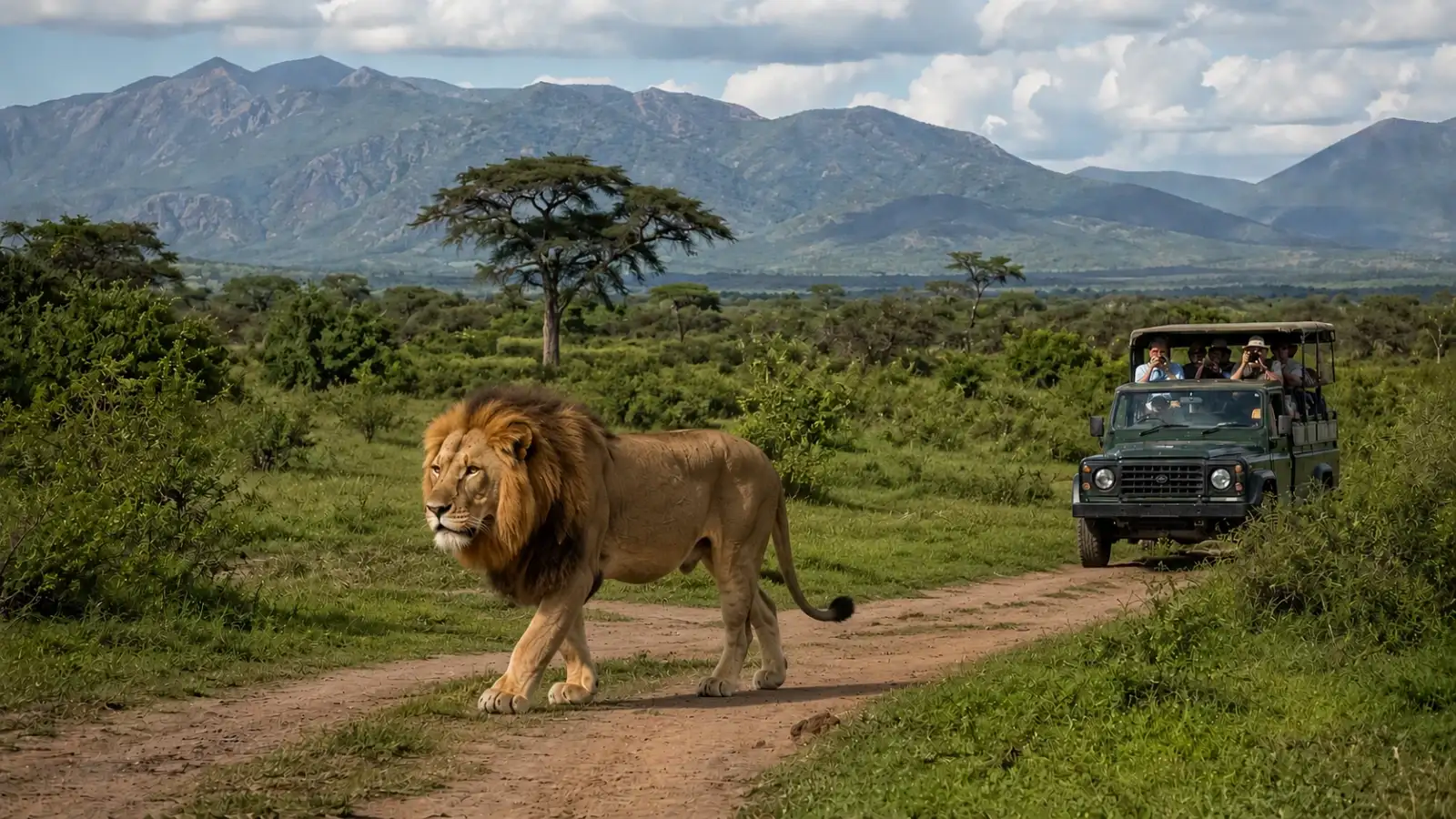
A wildlife holiday can feel very different from a traditional animal attraction because the animals are living in environments that have developed naturally around them. You may watch elephants searching for food, whales rising from the sea or penguins gathering along a coastline. Sometimes, simply waiting quietly for an animal to appear becomes part of the adventure.
Responsible wildlife tourism can also help support conservation and local communities when it is planned carefully. Here are 10 animal-focused travel experiences worth considering for your next trip.
Depending on the destination, you might see elephants, giraffes, zebras, lions, cheetahs, buffalo and many different birds during the same trip.
Kenya, Tanzania, Botswana and South Africa are among the countries known for safari experiences. Each destination offers its own landscapes and wildlife.
One of the most exciting parts is that nothing is guaranteed. You might spend an hour watching a herd of elephants before suddenly spotting a lion in the distance. That unpredictability makes every safari feel different.
Depending on the location and season, you may encounter humpback whales, blue whales, sperm whales or orcas. Some trips also provide opportunities to see dolphins and seabirds.
A good whale-watching trip should follow local wildlife regulations and keep a respectful distance from the animals.
There is also something wonderfully peaceful about sitting on a boat and scanning the horizon. The moment a whale surfaces can turn a quiet morning at sea into an unforgettable memory.
Travellers can see African penguins along parts of the South African coast, while destinations in South America, Australia, and New Zealand offer opportunities to observe other species.
Watching penguins in the wild lets you see how they behave outside an artificial enclosure. They may swim, search for food, interact with other penguins or make their way between the sea and their nesting areas.
For animal lovers, a penguin wildlife experience can be both entertaining and educational.
Orangutans spend much of their time in trees, so finding one may require patience. A knowledgeable guide can help visitors understand where to look and how to behave around wildlife.
You might spot an orangutan moving between branches, feeding on fruit or resting high above the forest floor.
The experience also highlights the importance of protecting rainforests. Orangutans depend heavily on forest habitats, so responsible tourism can help visitors understand why those ecosystems matter.
Female turtles may travel from the ocean onto sandy beaches to lay their eggs. In some locations, visitors can join guided activities designed to minimise disturbance.
Seeing a turtle emerge from the sea and slowly move across the sand can be an extraordinary sight.
However, sea turtle tourism needs to be handled responsibly. Visitors should follow instructions about distance, lighting, noise, and photography. The animal's safety should always come before getting a close-up photograph.
Costa Rica, Ecuador, Malaysia, and parts of Brazil are among the destinations known for rainforest wildlife.
Depending on the location, you could encounter monkeys, sloths, colourful birds, reptiles, frogs, and countless insects.
A guided nature walk can make the experience more rewarding because local guides often know how to identify animal calls, tracks, and signs that visitors would otherwise miss.
Places in Africa and parts of Asia offer opportunities to see wild elephants.
The best encounters allow the animals to decide how close they come. Visitors should never chase, surround or deliberately disturb elephants for photographs.
Watching an elephant family quietly cross a landscape can be a powerful reminder of how much space wild animals need.
Parts of Canada and the Arctic offer carefully managed wildlife trips during suitable seasons. Visitors may travel in specialised vehicles or boats while guides search for bears in their natural environment.
Polar bear tourism requires strict safety procedures because these are powerful wild predators. Travellers should always follow local guidance and never attempt to approach one independently.
The Arctic landscape itself is part of the experience, with sea ice, open tundra, and dramatic skies creating a setting unlike most other holidays.
Some destinations offer boat trips where dolphins can be seen travelling in groups, surfacing for air, and sometimes swimming alongside the boat naturally.
Responsible operators avoid feeding or deliberately chasing dolphins to create an interaction.
The most rewarding experience may simply be watching a pod move through the ocean while allowing the animals to behave naturally.
When choosing one, research how it operates. A responsible centre should focus on animal welfare, rehabilitation, education and conservation rather than turning wildlife into entertainment.
Be cautious of places that encourage visitors to hold wild animals, take constant photographs with them or watch forced performances.
A good rescue centre can help travellers understand the challenges faced by wildlife while supporting legitimate conservation work.
Before booking a wildlife holiday, look for operators that explain their animal welfare policies clearly. Check whether they follow local regulations and whether guides are trained to work around wildlife.
Avoid experiences that promise guaranteed close encounters with wild animals. Nature is unpredictable, and a responsible operator should accept that animals may choose to stay far away.
In many cases, the best wildlife experience is one where the animal barely notices you are there.
You also begin to understand the connection between wildlife and habitat. Protecting elephants means protecting the landscapes they use. Protecting orangutans means protecting forests. Protecting whales means keeping oceans healthy.
This makes wildlife travel more than simply an opportunity to take photographs. It can become a way to learn about ecosystems and the challenges facing different species.
Whether you are exploring an African savannah, sailing across the ocean or walking through a rainforest, the goal should be to observe rather than interfere.
For travellers who love animals, these experiences can offer something that a conventional attraction cannot. They combine adventure, nature and discovery while giving you a chance to see wildlife as part of the world it actually belongs to.
A wildlife holiday can feel very different from a traditional animal attraction because the animals are living in environments that have developed naturally around them. You may watch elephants searching for food, whales rising from the sea or penguins gathering along a coastline. Sometimes, simply waiting quietly for an animal to appear becomes part of the adventure.
Responsible wildlife tourism can also help support conservation and local communities when it is planned carefully. Here are 10 animal-focused travel experiences worth considering for your next trip.
1. Go on an African Wildlife Safari
An African safari is one of the classic wildlife travel experiences, and for good reason. Instead of seeing animals in enclosed spaces, you can watch them moving freely through vast natural landscapes.Depending on the destination, you might see elephants, giraffes, zebras, lions, cheetahs, buffalo and many different birds during the same trip.
Kenya, Tanzania, Botswana and South Africa are among the countries known for safari experiences. Each destination offers its own landscapes and wildlife.
One of the most exciting parts is that nothing is guaranteed. You might spend an hour watching a herd of elephants before suddenly spotting a lion in the distance. That unpredictability makes every safari feel different.
2. Watch Whales in the Open Ocean
Whale watching allows you to see some of the largest animals on Earth in the environment where they naturally live.Depending on the location and season, you may encounter humpback whales, blue whales, sperm whales or orcas. Some trips also provide opportunities to see dolphins and seabirds.
A good whale-watching trip should follow local wildlife regulations and keep a respectful distance from the animals.
There is also something wonderfully peaceful about sitting on a boat and scanning the horizon. The moment a whale surfaces can turn a quiet morning at sea into an unforgettable memory.
3. See Penguins Along a Wild Coast
Penguins are often associated with Antarctica, but several species live in other parts of the Southern Hemisphere.Travellers can see African penguins along parts of the South African coast, while destinations in South America, Australia, and New Zealand offer opportunities to observe other species.
Watching penguins in the wild lets you see how they behave outside an artificial enclosure. They may swim, search for food, interact with other penguins or make their way between the sea and their nesting areas.
For animal lovers, a penguin wildlife experience can be both entertaining and educational.
4. Search for Orangutans in the Rainforest
Borneo and Sumatra are famous for their orangutans, and seeing one in the rainforest can be a remarkable experience.Orangutans spend much of their time in trees, so finding one may require patience. A knowledgeable guide can help visitors understand where to look and how to behave around wildlife.
You might spot an orangutan moving between branches, feeding on fruit or resting high above the forest floor.
The experience also highlights the importance of protecting rainforests. Orangutans depend heavily on forest habitats, so responsible tourism can help visitors understand why those ecosystems matter.
5. Visit a Sea Turtle Nesting Beach
Some coastal destinations offer carefully managed opportunities to observe sea turtles during nesting season.Female turtles may travel from the ocean onto sandy beaches to lay their eggs. In some locations, visitors can join guided activities designed to minimise disturbance.
Seeing a turtle emerge from the sea and slowly move across the sand can be an extraordinary sight.
However, sea turtle tourism needs to be handled responsibly. Visitors should follow instructions about distance, lighting, noise, and photography. The animal's safety should always come before getting a close-up photograph.
6. Explore a Wildlife-Rich Rainforest
You do not necessarily need to search for one particular animal to have an incredible wildlife experience. Exploring a rainforest can reveal dozens of species during a single walk.Costa Rica, Ecuador, Malaysia, and parts of Brazil are among the destinations known for rainforest wildlife.
Depending on the location, you could encounter monkeys, sloths, colourful birds, reptiles, frogs, and countless insects.
A guided nature walk can make the experience more rewarding because local guides often know how to identify animal calls, tracks, and signs that visitors would otherwise miss.
7. Watch Elephants in Their Natural Habitat
Seeing elephants in the wild is very different from seeing them in captivity. On a responsible safari or wildlife drive, you may observe elephants feeding, drinking, communicating, and caring for younger members of their herd.Places in Africa and parts of Asia offer opportunities to see wild elephants.
The best encounters allow the animals to decide how close they come. Visitors should never chase, surround or deliberately disturb elephants for photographs.
Watching an elephant family quietly cross a landscape can be a powerful reminder of how much space wild animals need.
8. Take a Wildlife Trip to See Polar Bears
For a truly unusual animal travel experience, consider visiting a destination where polar bears can be observed in the wild.Parts of Canada and the Arctic offer carefully managed wildlife trips during suitable seasons. Visitors may travel in specialised vehicles or boats while guides search for bears in their natural environment.
Polar bear tourism requires strict safety procedures because these are powerful wild predators. Travellers should always follow local guidance and never attempt to approach one independently.
The Arctic landscape itself is part of the experience, with sea ice, open tundra, and dramatic skies creating a setting unlike most other holidays.
9. Watch Dolphins Without Chasing Them
Dolphin watching can be an enjoyable way to experience marine wildlife, particularly when the animals are observed from a respectful distance.Some destinations offer boat trips where dolphins can be seen travelling in groups, surfacing for air, and sometimes swimming alongside the boat naturally.
Responsible operators avoid feeding or deliberately chasing dolphins to create an interaction.
The most rewarding experience may simply be watching a pod move through the ocean while allowing the animals to behave naturally.
10. Visit a Genuine Wildlife Rescue Centre
A wildlife rescue centre can provide a different kind of animal tourism experience. Some centres care for injured, orphaned or rescued animals that cannot immediately return to the wild.When choosing one, research how it operates. A responsible centre should focus on animal welfare, rehabilitation, education and conservation rather than turning wildlife into entertainment.
Be cautious of places that encourage visitors to hold wild animals, take constant photographs with them or watch forced performances.
A good rescue centre can help travellers understand the challenges faced by wildlife while supporting legitimate conservation work.
How to Choose Responsible Wildlife Experiences
Seeing animals in the wild does not automatically make an experience ethical. Tourism can still cause harm if visitors get too close, make excessive noise, feed animals or interfere with natural behaviour.You may also like
- In 2017, a professor found a dried coconut leaf on a walk; years later, it had inspired straws designed to replace plastic
- Indian-origin 7-year-old stuns with GCSE Maths result nearly 9 years early after finding primary school “too boring”; now preparing for A-levels
- Measuring Your Body's True Biological Age: How the New 'Intrinsic Capacity' Score Reveals Physical and Mental Strength
- What David Beckham's parenting journey teaches about staying connected with children: Being present is the greatest gift
- From one hour of study for a thekua to changing how India learns Physics: How HC Verma went from a struggling student in Bihar to a teacher millions turned to
Before booking a wildlife holiday, look for operators that explain their animal welfare policies clearly. Check whether they follow local regulations and whether guides are trained to work around wildlife.
Avoid experiences that promise guaranteed close encounters with wild animals. Nature is unpredictable, and a responsible operator should accept that animals may choose to stay far away.
In many cases, the best wildlife experience is one where the animal barely notices you are there.
Why Natural Wildlife Experiences Feel Different
There is something special about seeing an animal in the place where it evolved to live. A giraffe crossing a grassland, a whale surfacing in deep water or a sloth moving through a rainforest tells you something about the animal's real life that an enclosure cannot fully show.You also begin to understand the connection between wildlife and habitat. Protecting elephants means protecting the landscapes they use. Protecting orangutans means protecting forests. Protecting whales means keeping oceans healthy.
This makes wildlife travel more than simply an opportunity to take photographs. It can become a way to learn about ecosystems and the challenges facing different species.
Make the Animal the Priority
The most memorable animal encounters are not necessarily the ones where you get closest. Sometimes watching from a distance, waiting patiently and allowing the animal to behave naturally creates a much better experience.Whether you are exploring an African savannah, sailing across the ocean or walking through a rainforest, the goal should be to observe rather than interfere.
For travellers who love animals, these experiences can offer something that a conventional attraction cannot. They combine adventure, nature and discovery while giving you a chance to see wildlife as part of the world it actually belongs to.






Loving Newspoint? Download the app now
