
Winter Gardening: 8 Easy Ways to Keep Your Plants Healthy During Colder Months

Winter can be challenging for plants, as shorter days, lower temperatures and dry air can affect their growth. Many plants naturally slow down during this season, while others may struggle with cold winds, frost and changes in sunlight. However, with a few simple adjustments to your gardening routine, you can help your plants stay healthy throughout the colder months.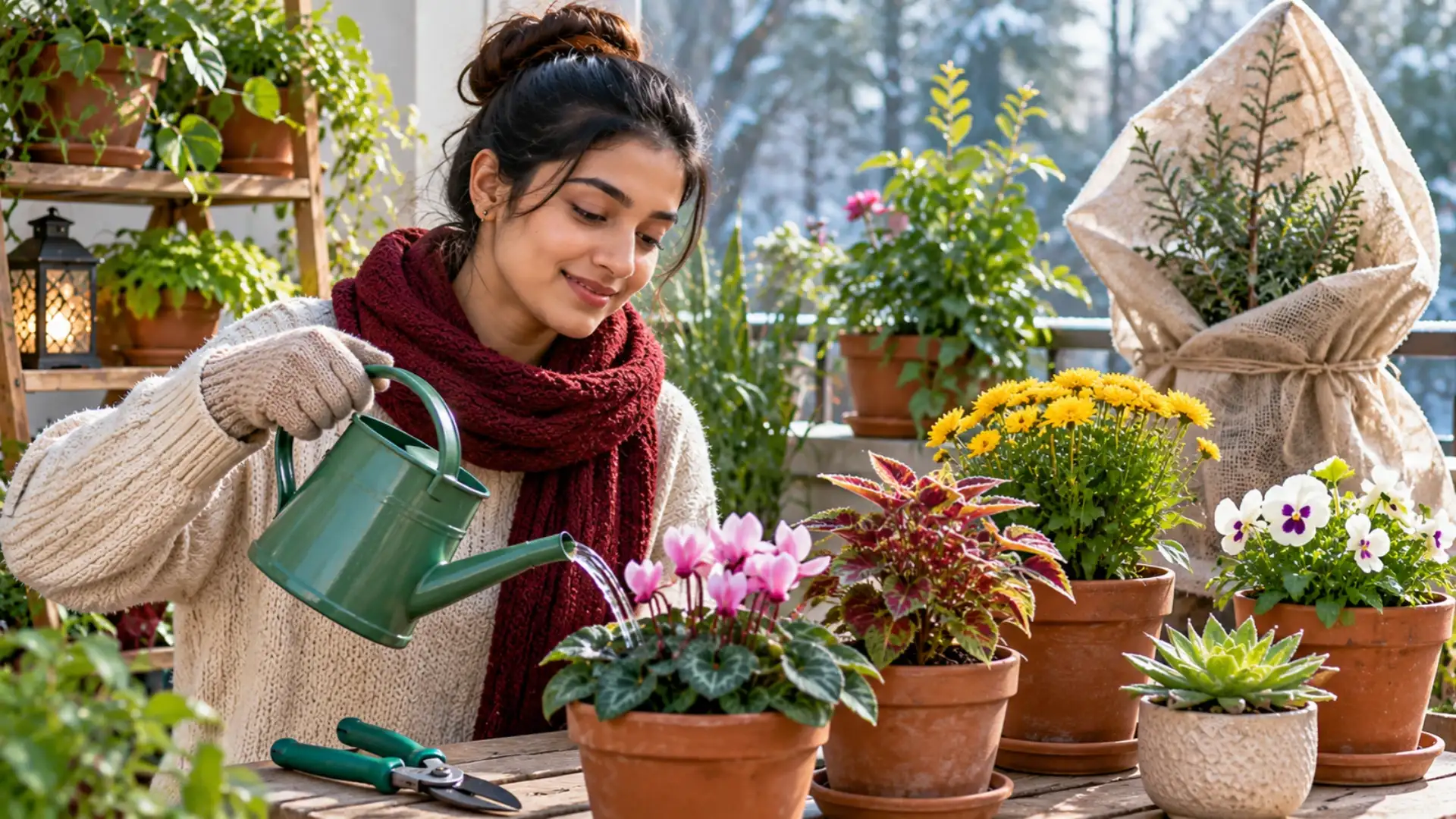
Whether you have a balcony garden, a collection of indoor plants or a small outdoor space, here are eight easy winter gardening tips to keep your plants thriving.
Before watering, check the top layer of soil with your finger. If it still feels damp, wait a little longer. Water only when the soil has dried sufficiently for that particular plant. Also, make sure your pots have proper drainage holes so excess water can escape.
For outdoor plants, remove anything that blocks sunlight, such as unnecessary coverings or overgrown branches. Rotate indoor pots occasionally so all sides of the plant receive light evenly.
For outdoor plants, use garden fleece or suitable plant covers during frosty conditions. Remember to remove or open the covers when temperatures rise so plants can receive sunlight and proper ventilation.
You can also use mulch, such as dry leaves, straw or bark, around outdoor plants. Mulching helps retain soil moisture and protects plant roots from sudden temperature changes. Keep the mulch slightly away from the plant's main stem to prevent excess moisture from collecting around it.
Use clean, sharp pruning scissors to remove damaged sections carefully. However, avoid heavy pruning unless it is suitable for the particular plant. Some flowering plants and shrubs develop buds during winter, so excessive trimming could affect their next flowering season.
Avoid placing pots directly beside heaters, fireplaces or air-conditioning units. Keep them in areas with relatively stable temperatures and adequate ventilation. If indoor air becomes particularly dry, placing a small tray of water near your plants may help slightly increase local humidity.
Inspect the leaves, stems and undersides of foliage regularly. Look for small insects, sticky patches, webbing or unusual spots. If you notice an infestation, isolate the affected plant and clean the leaves gently. Treat the problem with a plant-safe product suitable for the pest and plant species.
Reduce or pause fertilising for plants that are dormant or growing very slowly. Continue feeding only those plants that are actively growing, following their individual requirements. Avoid disturbing their roots through unnecessary repotting, as plants may take longer to recover during colder weather.
With regular checks and a few simple precautions, you can protect your indoor and outdoor plants from winter stress and help them stay healthy until warmer weather returns.
Whether you have a balcony garden, a collection of indoor plants or a small outdoor space, here are eight easy winter gardening tips to keep your plants thriving.
1. Adjust Your Watering Routine
Plants generally need less water during winter because their growth slows down and moisture takes longer to evaporate from the soil. Overwatering can leave the roots sitting in excess moisture, increasing the risk of root rot.Before watering, check the top layer of soil with your finger. If it still feels damp, wait a little longer. Water only when the soil has dried sufficiently for that particular plant. Also, make sure your pots have proper drainage holes so excess water can escape.
2. Make the Most of Available Sunlight
Shorter days mean plants receive fewer hours of sunlight during winter. Place indoor plants near bright windows where they can get sufficient natural light. South-facing windows are often useful in homes in the Northern Hemisphere, as they generally receive more sunlight.For outdoor plants, remove anything that blocks sunlight, such as unnecessary coverings or overgrown branches. Rotate indoor pots occasionally so all sides of the plant receive light evenly.
3. Protect Plants From Cold Winds and Frost
Sudden temperature drops and cold winds can damage delicate leaves and stems. Move sensitive potted plants indoors, especially during particularly cold nights. If moving them is not possible, place them near a sheltered wall or under a covered balcony.For outdoor plants, use garden fleece or suitable plant covers during frosty conditions. Remember to remove or open the covers when temperatures rise so plants can receive sunlight and proper ventilation.
4. Take Care of the Soil
Healthy soil plays an important role in keeping plants strong during winter. Add a layer of organic compost to improve soil quality and provide nutrients. However, avoid adding too much fertiliser, as many plants require less feeding when their growth slows down.You can also use mulch, such as dry leaves, straw or bark, around outdoor plants. Mulching helps retain soil moisture and protects plant roots from sudden temperature changes. Keep the mulch slightly away from the plant's main stem to prevent excess moisture from collecting around it.
5. Prune Damaged Leaves and Branches
Winter is a good time to remove dead, dry or damaged leaves from your plants. These parts can affect the plant's appearance and may create conditions where pests and diseases develop.Use clean, sharp pruning scissors to remove damaged sections carefully. However, avoid heavy pruning unless it is suitable for the particular plant. Some flowering plants and shrubs develop buds during winter, so excessive trimming could affect their next flowering season.
6. Keep Indoor Plants Away From Heating Sources
Indoor plants may be protected from outdoor cold, but heaters, radiators and direct hot air can create another problem. They can dry out leaves and affect the moisture levels around plants.Avoid placing pots directly beside heaters, fireplaces or air-conditioning units. Keep them in areas with relatively stable temperatures and adequate ventilation. If indoor air becomes particularly dry, placing a small tray of water near your plants may help slightly increase local humidity.
You may also like
- Samantha Ruth Prabhu's pregnancy workouts spark interest: Which exercises are safe for expectant mothers?
- Jensen Huang built the company that powers AI, now Nvidia must find way forward without him
- In 2013, she joined Nvidia as CFO; 13 years later, she takes over as interim CEO: Meet Colette Kress, who's now leading the AI giant as Jensen Huang steps down
- 7 Vintage-Inspired Shoe Styles Taking Over Fashion in 2026
- India records 38% drop in TB deaths since 2015, outpaces global decline: WHO report
7. Check Plants Regularly for Pests
Cold weather does not mean plants are completely safe from pests. Indoor plants, in particular, can attract insects such as spider mites, mealybugs and aphids.Inspect the leaves, stems and undersides of foliage regularly. Look for small insects, sticky patches, webbing or unusual spots. If you notice an infestation, isolate the affected plant and clean the leaves gently. Treat the problem with a plant-safe product suitable for the pest and plant species.
8. Avoid Overfeeding and Give Plants Time to Rest
Many plants enter a period of slower growth during winter. This means they do not need the same amount of fertiliser as they do during their active growing season.Reduce or pause fertilising for plants that are dormant or growing very slowly. Continue feeding only those plants that are actively growing, following their individual requirements. Avoid disturbing their roots through unnecessary repotting, as plants may take longer to recover during colder weather.
Give Your Plants a Little Extra Care This Winter
Winter gardening does not have to be complicated. Paying attention to watering, sunlight, soil quality and temperature can make a noticeable difference to your plants' health. Remember that every plant has different requirements, so adjust your routine according to its species and growing conditions.With regular checks and a few simple precautions, you can protect your indoor and outdoor plants from winter stress and help them stay healthy until warmer weather returns.






Loving Newspoint? Download the app now
