
How to Care for Wooden Furniture at Home Without Damaging Its Finish

Wooden furniture can remain part of a home for many years when handled with care. Tables, chairs, cabinets and shelves are exposed to dust, moisture, sunlight and everyday use, which can affect their appearance over time.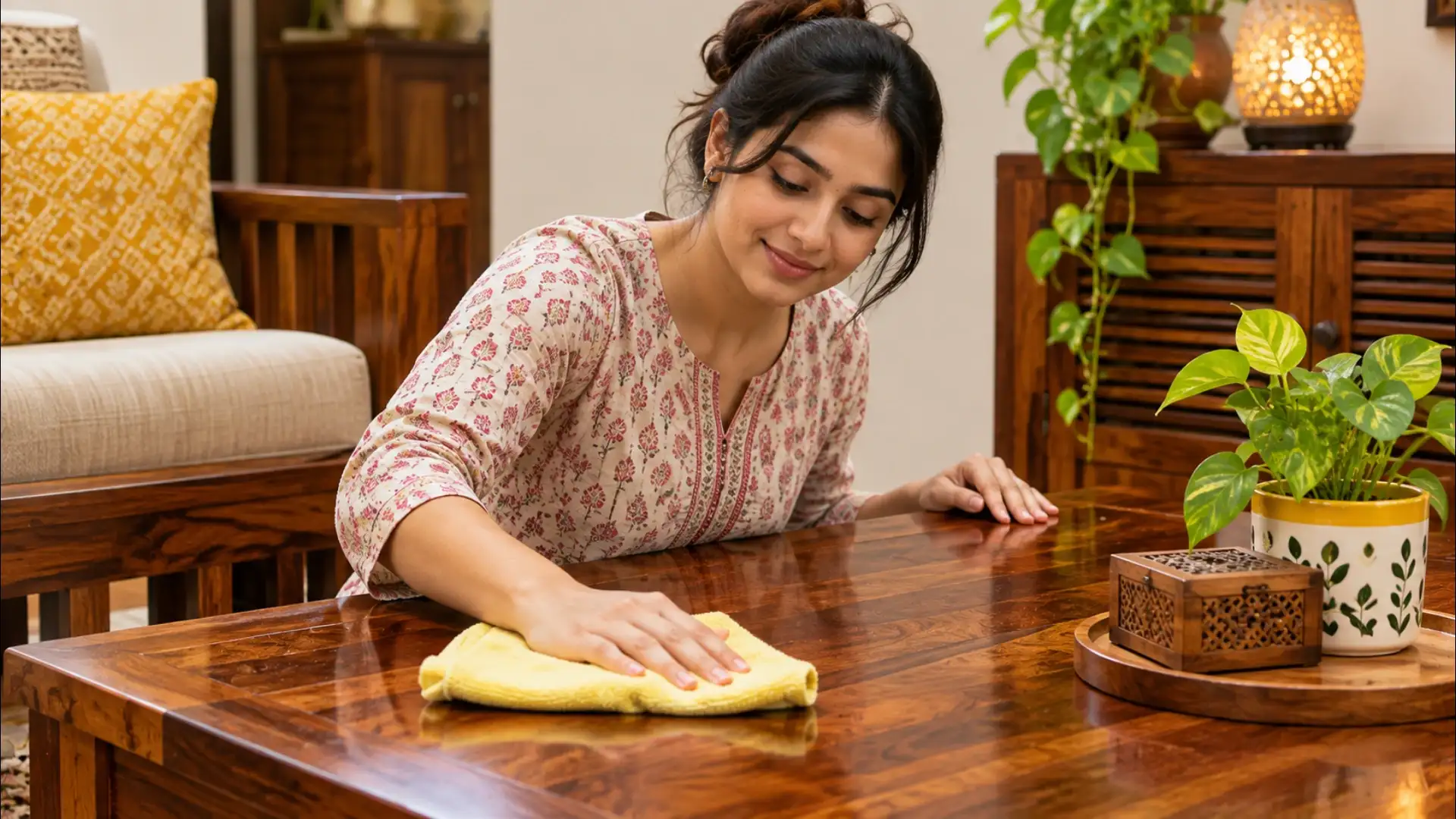
However, maintaining wooden furniture does not always require expensive cleaning products or frequent polishing. Regular dusting, careful placement and suitable cleaning methods can help preserve its appearance and condition.
For many modern finished surfaces, a slightly damp cloth followed by a dry one can be suitable. However, delicate, antique or unfinished wood may require dry dusting only.
Avoid rough cleaning pads or abrasive materials, as these can leave scratches.
Blot spills with a soft, absorbent cloth rather than rubbing them aggressively. Follow up with a dry cloth to remove any remaining moisture.
Avoid using excessive water while cleaning, particularly on unfinished wood or furniture with damaged protective coatings.
Protective mats can also help prevent scratches from frequently used objects such as flower pots, decorative items and stationery holders.
For work desks and dining tables, placing a soft mat under frequently moved objects can reduce surface wear.
If possible, position wooden furniture away from windows receiving intense direct sunlight. Curtains or blinds can help reduce exposure during particularly bright hours.
Also, avoid placing furniture too close to heat sources, as temperature changes can affect the wood over time.
Before applying a new product, check the furniture manufacturer's instructions. Test any suitable cleaner on a small, inconspicuous area first.
Avoid using multiple cleaning products on the same surface without checking whether they are compatible.
When moving furniture, lift it with help where necessary rather than pulling it along the floor. For heavy pieces, use suitable furniture-moving equipment.
Check joints and handles occasionally to identify loose fittings before they become more difficult to repair.
Avoid stripping, sanding or applying strong cleaning products without understanding the material. If an antique piece requires extensive cleaning or repair, consider consulting a professional furniture restorer.
Gentle handling and appropriate care can help preserve its original appearance.
Use only products recommended for the particular finish and avoid assuming that all wooden furniture needs oil or polish.
Gentle, consistent care is usually a better approach than frequent intensive cleaning.
Disclaimer: Cleaning and maintenance methods may vary depending on the type of wood, furniture finish and age. Always follow the manufacturer's care instructions and test cleaning products on a small, hidden area before use.
However, maintaining wooden furniture does not always require expensive cleaning products or frequent polishing. Regular dusting, careful placement and suitable cleaning methods can help preserve its appearance and condition.
1. Dust Regularly
Dust can collect on tabletops, shelves, carved details and corners. Use a soft, clean cloth to remove it gently.For many modern finished surfaces, a slightly damp cloth followed by a dry one can be suitable. However, delicate, antique or unfinished wood may require dry dusting only.
Avoid rough cleaning pads or abrasive materials, as these can leave scratches.
2. Wipe Spills Promptly
Water, tea and other liquids should not be allowed to remain on wooden surfaces for long periods.Blot spills with a soft, absorbent cloth rather than rubbing them aggressively. Follow up with a dry cloth to remove any remaining moisture.
Avoid using excessive water while cleaning, particularly on unfinished wood or furniture with damaged protective coatings.
3. Use Coasters and Protective Mats
Place coasters under drinking glasses and use heat-resistant mats beneath hot serving dishes.Protective mats can also help prevent scratches from frequently used objects such as flower pots, decorative items and stationery holders.
For work desks and dining tables, placing a soft mat under frequently moved objects can reduce surface wear.
4. Keep Furniture Away From Direct Sunlight
Prolonged exposure to strong sunlight can alter the appearance of some wood finishes.If possible, position wooden furniture away from windows receiving intense direct sunlight. Curtains or blinds can help reduce exposure during particularly bright hours.
Also, avoid placing furniture too close to heat sources, as temperature changes can affect the wood over time.
5. Choose Furniture Polish Carefully
Not every furniture polish is suitable for every surface. Some products contain ingredients that may leave residues, attract dust or affect the existing finish.Before applying a new product, check the furniture manufacturer's instructions. Test any suitable cleaner on a small, inconspicuous area first.
Avoid using multiple cleaning products on the same surface without checking whether they are compatible.
6. Avoid Dragging Furniture
Dragging a wooden table or cabinet across the floor can put unnecessary strain on its joints and legs.When moving furniture, lift it with help where necessary rather than pulling it along the floor. For heavy pieces, use suitable furniture-moving equipment.
Check joints and handles occasionally to identify loose fittings before they become more difficult to repair.
7. Give Antique Furniture Extra Attention
Older wooden furniture may have delicate finishes or traditional surface treatments.Avoid stripping, sanding or applying strong cleaning products without understanding the material. If an antique piece requires extensive cleaning or repair, consider consulting a professional furniture restorer.
Gentle handling and appropriate care can help preserve its original appearance.
8. Follow a Simple Maintenance Routine
A practical routine can include weekly dusting, immediate cleaning of spills and periodic checks for loose fittings.Use only products recommended for the particular finish and avoid assuming that all wooden furniture needs oil or polish.
Gentle, consistent care is usually a better approach than frequent intensive cleaning.
Disclaimer: Cleaning and maintenance methods may vary depending on the type of wood, furniture finish and age. Always follow the manufacturer's care instructions and test cleaning products on a small, hidden area before use.
Next Story