
World Architecture Day: Why Architecture Matters to Modern Cities

World Architecture Day 2026 will be observed on Monday, 5 October. The day is celebrated every year on the first Monday of October by the International Union of Architects (UIA), alongside the United Nations' World Habitat Day. The theme for World Architecture Day 2026 is ‘ Housing is a Human Right . Build It.’ The theme focuses attention on access to safe, adequate and affordable housing and the role architecture can play in addressing housing challenges.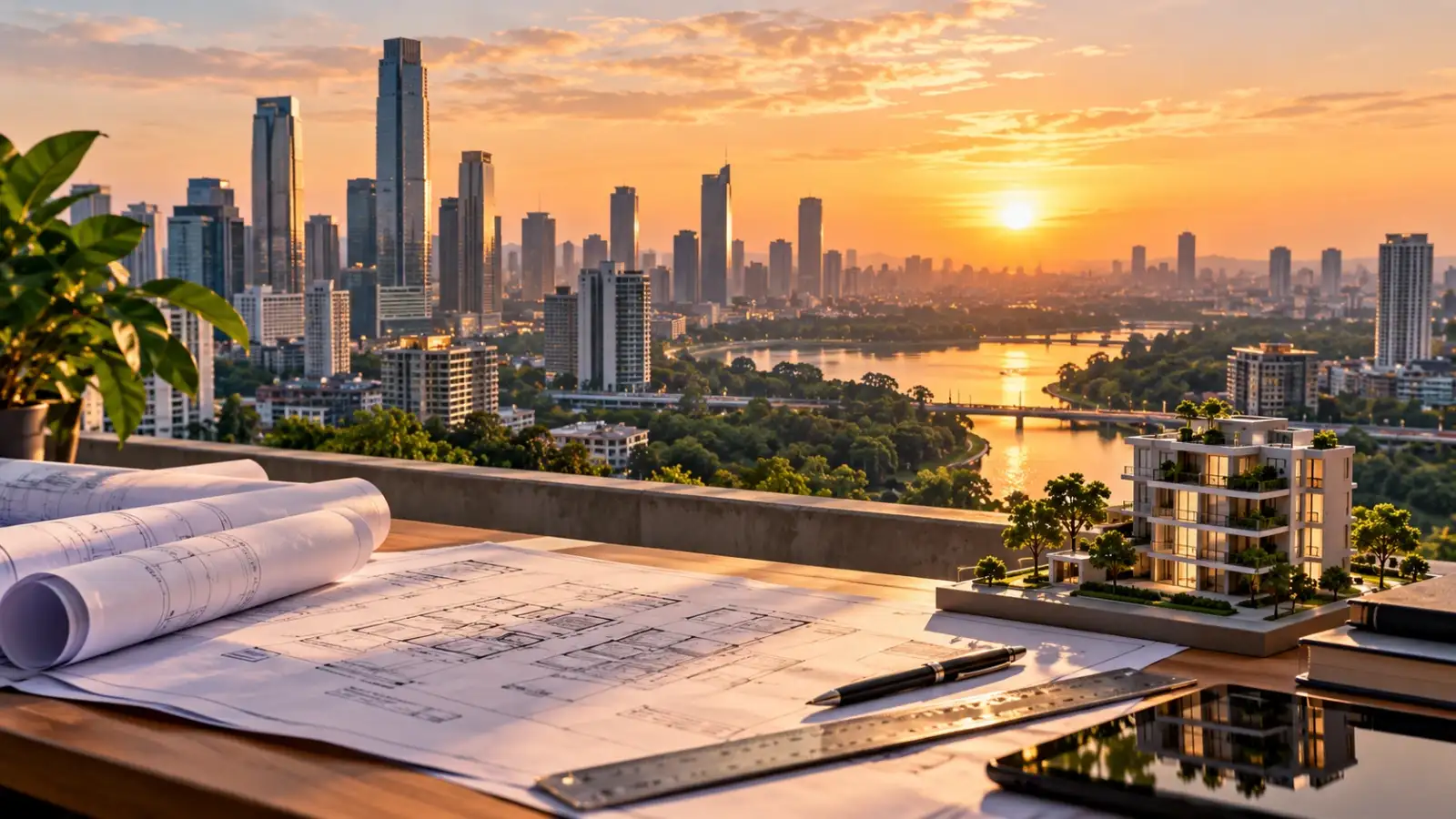
Architecture influences far more than the appearance of buildings. It shapes homes, neighbourhoods, public spaces, workplaces and entire cities. World Architecture Day provides an opportunity to consider how the built environment affects everyday life and how thoughtful design can contribute to more inclusive and sustainable communities.
The occasion aims to draw attention to issues involving architecture, cities and human settlements. Each year, a particular theme is selected to encourage discussion among architects, planners, students, policymakers and the wider public.
The UIA selected the theme in the context of the global housing crisis and the need for adequate housing. It highlights the role architects can play through design, research and participation in discussions surrounding housing affordability and access.
The theme also encourages consideration of sustainable housing models, inclusive design and the reuse of existing buildings where appropriate.
At a larger scale, architecture works together with urban planning to shape roads, parks, public spaces, housing developments and transport networks.
Good design therefore involves more than creating visually impressive structures. It also requires consideration of safety, functionality, environmental impact and the needs of the people who will use a space.
Rapid urbanisation and rising housing costs have made access to suitable accommodation a major challenge in many cities. Architects can contribute by developing designs that use space efficiently, reduce construction and operating costs where possible and respond to local environmental conditions.
The UIA's 2026 theme also points towards approaches such as inclusive housing models and the adaptation or reuse of existing buildings.
Architects increasingly consider passive cooling, natural ventilation, daylight, renewable energy, efficient materials and climate-responsive design when developing buildings.
At the city level, well-designed public spaces, pedestrian-friendly areas and accessible infrastructure can also contribute to more liveable communities.
The UIA encourages its member organisations to use the occasion to showcase architectural projects, share knowledge and discuss issues affecting cities and communities.
Architecture schools and professional organisations may also use the day to introduce students and the public to architectural ideas and the challenges facing the built environment.
At the same time, new architecture must respond to changing needs. Climate change, population growth, technology, accessibility and housing demand are influencing how cities are designed and developed.
This creates a continuing balance between preserving valuable heritage and adapting the built environment for future generations.
Observed on 5 October, the day offers an opportunity to look beyond famous buildings and iconic skylines and consider the everyday spaces in which people live, work and interact.
Architecture is ultimately closely connected with the quality, accessibility and sustainability of the places people call home.
Architecture influences far more than the appearance of buildings. It shapes homes, neighbourhoods, public spaces, workplaces and entire cities. World Architecture Day provides an opportunity to consider how the built environment affects everyday life and how thoughtful design can contribute to more inclusive and sustainable communities.
What Is World Architecture Day?
World Architecture Day is an international observance created by the International Union of Architects. The UIA established the day in 1985, and it is observed annually on the first Monday of October.The occasion aims to draw attention to issues involving architecture, cities and human settlements. Each year, a particular theme is selected to encourage discussion among architects, planners, students, policymakers and the wider public.
What Is the Theme of World Architecture Day 2026?
The theme for 2026 is ‘Housing is a Human Right. Build It.’The UIA selected the theme in the context of the global housing crisis and the need for adequate housing. It highlights the role architects can play through design, research and participation in discussions surrounding housing affordability and access.
The theme also encourages consideration of sustainable housing models, inclusive design and the reuse of existing buildings where appropriate.
Why Is Architecture Important?
Architecture affects how people experience their surroundings every day. The design of a building can influence natural light, ventilation, accessibility, energy use and the way people interact with one another.At a larger scale, architecture works together with urban planning to shape roads, parks, public spaces, housing developments and transport networks.
Good design therefore involves more than creating visually impressive structures. It also requires consideration of safety, functionality, environmental impact and the needs of the people who will use a space.
Architecture and Affordable Housing
Housing is one of the central concerns highlighted by World Architecture Day 2026.Rapid urbanisation and rising housing costs have made access to suitable accommodation a major challenge in many cities. Architects can contribute by developing designs that use space efficiently, reduce construction and operating costs where possible and respond to local environmental conditions.
The UIA's 2026 theme also points towards approaches such as inclusive housing models and the adaptation or reuse of existing buildings.
Architecture and Sustainable Cities
Buildings have a significant relationship with energy consumption, materials, water use and the wider environment.Architects increasingly consider passive cooling, natural ventilation, daylight, renewable energy, efficient materials and climate-responsive design when developing buildings.
At the city level, well-designed public spaces, pedestrian-friendly areas and accessible infrastructure can also contribute to more liveable communities.
How Is World Architecture Day Observed?
World Architecture Day can be marked through lectures, exhibitions, workshops, webinars, educational programmes and public discussions.The UIA encourages its member organisations to use the occasion to showcase architectural projects, share knowledge and discuss issues affecting cities and communities.
Architecture schools and professional organisations may also use the day to introduce students and the public to architectural ideas and the challenges facing the built environment.
Architecture Connects History With the Future
Architecture also preserves the cultural identity of cities. Historic buildings, traditional homes, monuments and public spaces provide links to earlier generations and reflect local materials, craftsmanship and social traditions.At the same time, new architecture must respond to changing needs. Climate change, population growth, technology, accessibility and housing demand are influencing how cities are designed and developed.
This creates a continuing balance between preserving valuable heritage and adapting the built environment for future generations.
World Architecture Day 2026 and the Future of Housing
World Architecture Day 2026 places housing at the centre of its message. The theme encourages attention to the connection between architecture and access to adequate housing, while highlighting the contribution architects can make to practical and sustainable solutions.Observed on 5 October, the day offers an opportunity to look beyond famous buildings and iconic skylines and consider the everyday spaces in which people live, work and interact.
Architecture is ultimately closely connected with the quality, accessibility and sustainability of the places people call home.
Next Story