
World Food Safety Day 2026: Foods You Should Never Eat After Their Expiry Date

Every year on June 7, World Food Safety Day is observed globally to raise awareness about the importance of safe food handling, storage, and consumption. One of the simplest ways to protect yourself from foodborne illnesses is by paying attention to expiry dates. While some foods may remain safe for a short period after a "best before" date, certain items should never be consumed once their expiry or "use by" date has passed.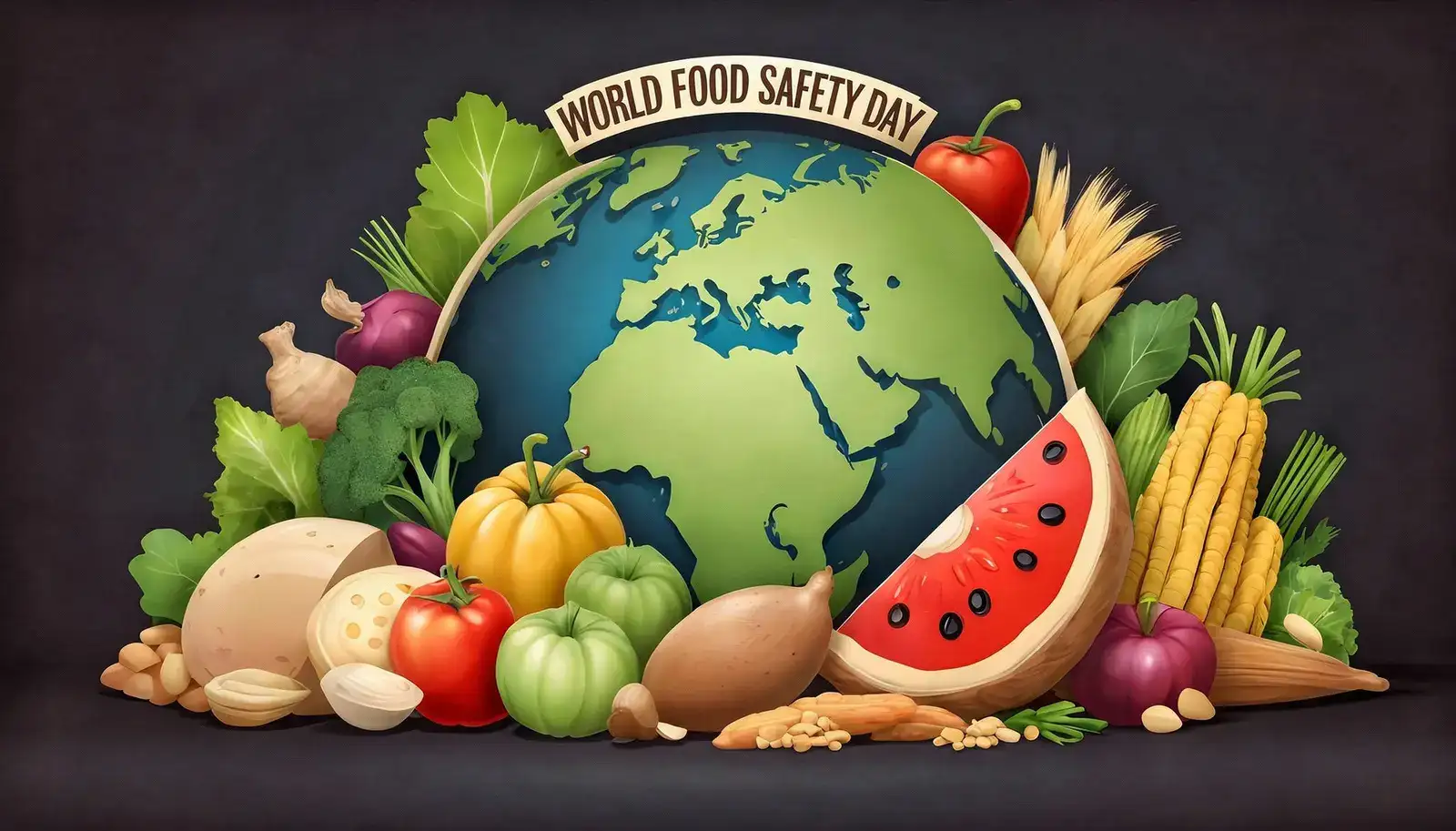
1. Milk and Fresh Dairy Products
Milk, cream, yogurt, and similar dairy products are highly perishable. After their expiry date, harmful bacteria can multiply rapidly, increasing the risk of stomach infections, vomiting, and diarrhea.
2. Fresh Meat and Poultry
Raw meat and poultry can become breeding grounds for dangerous bacteria such as Salmonella and Campylobacter. Consuming them after their expiry date can lead to serious food poisoning.
3. Seafood and Fish
Fish and seafood spoil quickly and may develop harmful bacteria or toxins after expiry. Even if they appear normal, expired seafood can pose significant health risks.
4. Ready-to-Eat Salads
Pre-packaged salads and cut vegetables contain moisture that encourages bacterial growth. Since they are usually eaten without cooking, consuming them after expiry is particularly risky.
5. Soft Cheeses
Fresh cheeses such as cream cheese, ricotta, cottage cheese, and mozzarella have a shorter shelf life than hard cheeses. Their high moisture content makes them more vulnerable to spoilage and contamination.
6. Deli Meats and Cold Cuts
Sliced meats used in sandwiches can harbor bacteria like Listeria after their expiry date. These products should be discarded once they pass their recommended consumption period.
7. Fresh Fruit Juices
Freshly squeezed or minimally processed juices can quickly become contaminated with microorganisms. Expired juices may cause digestive issues and foodborne illnesses.
8. Eggs
Eggs should be consumed within their recommended shelf life. The risk of bacterial contamination increases as eggs age, especially if they have not been stored properly.
9. Infant Formula
Infant formula should never be used after its expiry date. The product's nutritional quality and safety can no longer be guaranteed once it expires.
10. Prepared and Leftover Meals
Cooked meals and leftovers have a limited safe storage period. Even when refrigerated, bacteria can grow over time, making expired meals unsafe to eat.
Why World Food Safety Day Matters
World Food Safety Day serves as a reminder that food safety is everyone's responsibility. Simple habits such as checking expiry dates, following storage instructions, and discarding spoiled food can significantly reduce the risk of foodborne diseases.
This World Food Safety Day 2026 , take a closer look at the food in your refrigerator and pantry. While wasting food should be avoided, consuming high-risk foods after their expiry date is never worth the risk. When it comes to food safety, it is always better to be cautious than sorry.
1. Milk and Fresh Dairy Products
Milk, cream, yogurt, and similar dairy products are highly perishable. After their expiry date, harmful bacteria can multiply rapidly, increasing the risk of stomach infections, vomiting, and diarrhea. 2. Fresh Meat and Poultry
Raw meat and poultry can become breeding grounds for dangerous bacteria such as Salmonella and Campylobacter. Consuming them after their expiry date can lead to serious food poisoning.3. Seafood and Fish
Fish and seafood spoil quickly and may develop harmful bacteria or toxins after expiry. Even if they appear normal, expired seafood can pose significant health risks. 4. Ready-to-Eat Salads
Pre-packaged salads and cut vegetables contain moisture that encourages bacterial growth. Since they are usually eaten without cooking, consuming them after expiry is particularly risky.5. Soft Cheeses
Fresh cheeses such as cream cheese, ricotta, cottage cheese, and mozzarella have a shorter shelf life than hard cheeses. Their high moisture content makes them more vulnerable to spoilage and contamination. 6. Deli Meats and Cold Cuts
Sliced meats used in sandwiches can harbor bacteria like Listeria after their expiry date. These products should be discarded once they pass their recommended consumption period. 7. Fresh Fruit Juices
Freshly squeezed or minimally processed juices can quickly become contaminated with microorganisms. Expired juices may cause digestive issues and foodborne illnesses. 8. Eggs
Eggs should be consumed within their recommended shelf life. The risk of bacterial contamination increases as eggs age, especially if they have not been stored properly.9. Infant Formula
Infant formula should never be used after its expiry date. The product's nutritional quality and safety can no longer be guaranteed once it expires. 10. Prepared and Leftover Meals
Cooked meals and leftovers have a limited safe storage period. Even when refrigerated, bacteria can grow over time, making expired meals unsafe to eat. Why World Food Safety Day Matters
World Food Safety Day serves as a reminder that food safety is everyone's responsibility. Simple habits such as checking expiry dates, following storage instructions, and discarding spoiled food can significantly reduce the risk of foodborne diseases. This World Food Safety Day 2026 , take a closer look at the food in your refrigerator and pantry. While wasting food should be avoided, consuming high-risk foods after their expiry date is never worth the risk. When it comes to food safety, it is always better to be cautious than sorry.
Next Story