
Strange Housewarming Traditions Around the World That May Surprise You

Step into a new household in India during a traditional housewarming ceremony, and you will witness a fascinating ritual designed to bring prosperity. Before arranging any furniture or unpacking personal belongings, family members place a fresh pot of milk mixed with rice directly onto the stove. Instead of watching the pot carefully to prevent spilling, the family waits patiently for the liquid to boil over the edges. This deliberate overflow is not seen as an accidental kitchen mess. Instead, the overflowing pot symbolizes a household bursting with wealth, health, and endless food supplies for every guest who enters. This warm, sensory ritual blends domestic hospitality with symbolic wishes for lifelong abundance.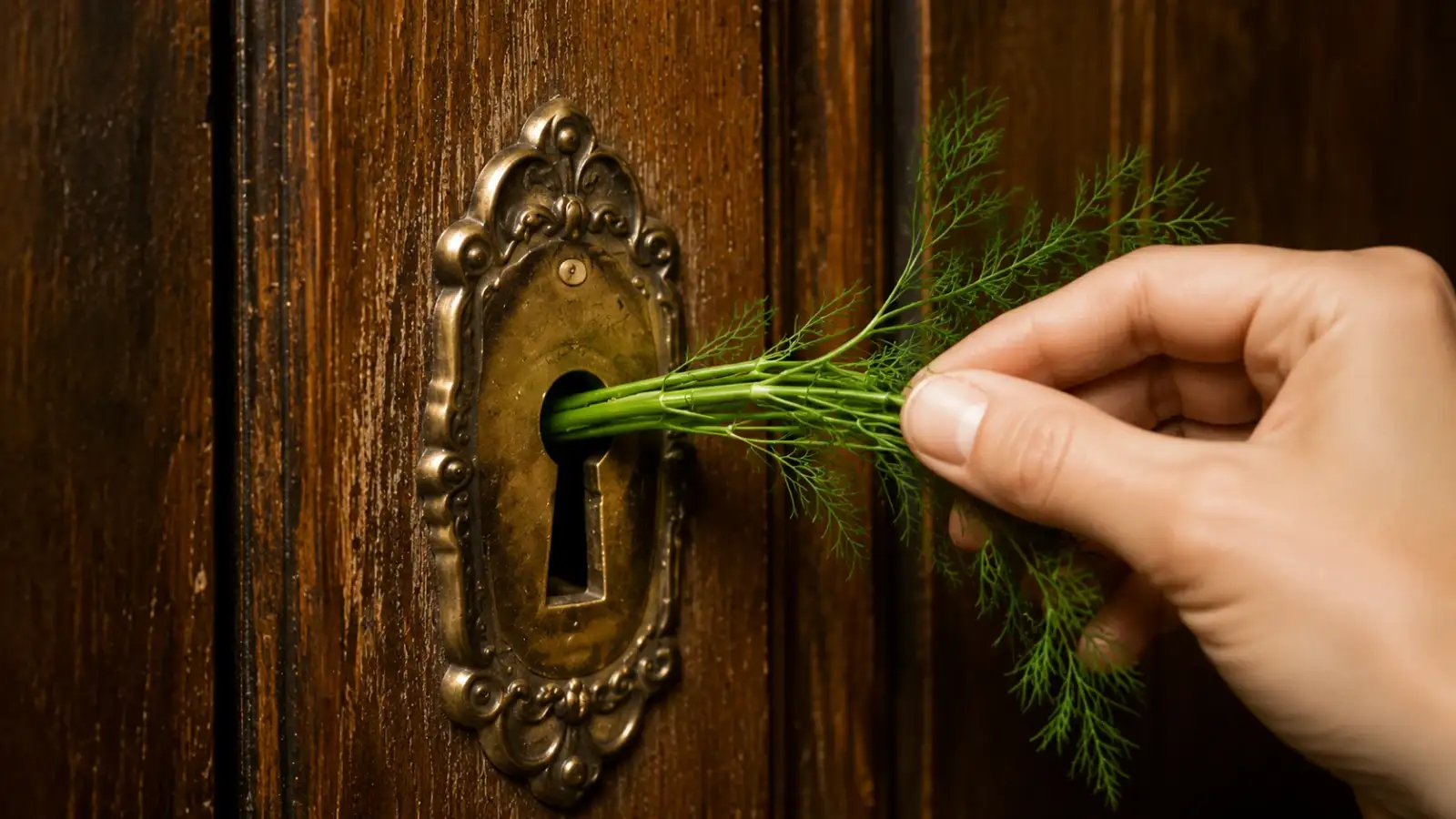
Scattering Loose Coins Across Living Room Floors
Moving into a fresh property in the Philippines comes with a uniquely noisy custom meant to invite financial success. Before setting down heavy luggage, homeowners toss handfuls of small coins across the living room floor. The jingling sound of metallic money bouncing across bare floorboards is believed to attract positive energy and continuous wealth to the household. Rather than sweeping up the coins immediately, residents often leave the change scattered around room corners during their first day. The practice transforms the physical act of moving house into a cheerful celebration, ensuring that financial security remains grounded within the walls of the domestic space.
Smashing Old Crockery Against Friendly Doorsteps
In Denmark, showing affection and wishing good fortune to your closest friends involves a surprisingly destructive custom. Throughout the year, Danish households save cracked plates, chipped porcelain cups, and unwanted ceramic bowls in storage boxes. On New Year's Eve, people carry these broken dishes to the homes of cherished friends and family members, smashing the crockery directly against their front doors. Waking up on New Year's morning to find a massive pile of shattered porcelain outside your front entrance is considered a massive badge of honour. The size of the broken pile proves how many loyal friends care for your household, guaranteeing strong social support and good luck for the year ahead.
Stuffing Aromatic Fennel Through Historic Keyholes
Traditional European folklore is packed with protective domestic rituals designed to keep negative energy away from residential entryways. An intriguing custom originating in medieval Britain involves pushing sprigs of fresh green fennel directly through the main front door keyhole. Alternatively, families would hang bunches of sweet-smelling fennel herbs over wooden doorframes. In ancient times, people believed that witches, malevolent spirits, and bad luck could squeeze through tiny gaps around windows and doors. Using aromatic plants created a natural barrier, turning a functional keyhole into a guarded portal that preserved peace, health, and positive domestic harmony inside the family residence.
Painting Porch Ceilings Blue to Fool Wandering Spirits
Travel through the southern regions of the United States, and you will spot vibrant pastel blue paint coating the ceilings of wooden front porches. This unique architectural custom, known as haint blue, traces back to Gullah heritage and early African traditions. According to historical folklore, restless spirits or haints are entirely unable to cross open water. By painting porch ceilings, window frames, and front doors in soft oceanic shades of blue, homeowners trick wandering spirits into believing the entryway is a body of water, driving them away. Beyond its spiritual protection, this charming tradition offers a serene visual touch that keeps homes feeling cool, welcoming, and safe.
Scattering Loose Coins Across Living Room Floors
Moving into a fresh property in the Philippines comes with a uniquely noisy custom meant to invite financial success. Before setting down heavy luggage, homeowners toss handfuls of small coins across the living room floor. The jingling sound of metallic money bouncing across bare floorboards is believed to attract positive energy and continuous wealth to the household. Rather than sweeping up the coins immediately, residents often leave the change scattered around room corners during their first day. The practice transforms the physical act of moving house into a cheerful celebration, ensuring that financial security remains grounded within the walls of the domestic space.
You may also like
- The myth of the perfect parent: How social media turned raising kids into a performance over the time
- Dolce & Gabbana Beauty makes its India play, betting on the country's luxury beauty boom
- Swine Flu Alert: Know H1N1 Symptoms, High-Risk Groups and Key Prevention Tips
- Raising a child in an Indian metro could cost Rs 6.75 crore over 21 years: How education, healthcare, childcare and lifestyle expenses can add up
- Compensation of up to ₹18 lakh for death in a train accident; know the rules and process for claiming it..
Smashing Old Crockery Against Friendly Doorsteps
In Denmark, showing affection and wishing good fortune to your closest friends involves a surprisingly destructive custom. Throughout the year, Danish households save cracked plates, chipped porcelain cups, and unwanted ceramic bowls in storage boxes. On New Year's Eve, people carry these broken dishes to the homes of cherished friends and family members, smashing the crockery directly against their front doors. Waking up on New Year's morning to find a massive pile of shattered porcelain outside your front entrance is considered a massive badge of honour. The size of the broken pile proves how many loyal friends care for your household, guaranteeing strong social support and good luck for the year ahead.
Stuffing Aromatic Fennel Through Historic Keyholes
Traditional European folklore is packed with protective domestic rituals designed to keep negative energy away from residential entryways. An intriguing custom originating in medieval Britain involves pushing sprigs of fresh green fennel directly through the main front door keyhole. Alternatively, families would hang bunches of sweet-smelling fennel herbs over wooden doorframes. In ancient times, people believed that witches, malevolent spirits, and bad luck could squeeze through tiny gaps around windows and doors. Using aromatic plants created a natural barrier, turning a functional keyhole into a guarded portal that preserved peace, health, and positive domestic harmony inside the family residence.
Painting Porch Ceilings Blue to Fool Wandering Spirits
Travel through the southern regions of the United States, and you will spot vibrant pastel blue paint coating the ceilings of wooden front porches. This unique architectural custom, known as haint blue, traces back to Gullah heritage and early African traditions. According to historical folklore, restless spirits or haints are entirely unable to cross open water. By painting porch ceilings, window frames, and front doors in soft oceanic shades of blue, homeowners trick wandering spirits into believing the entryway is a body of water, driving them away. Beyond its spiritual protection, this charming tradition offers a serene visual touch that keeps homes feeling cool, welcoming, and safe.






Loving Newspoint? Download the app now
