
World Radio Day 2026: History and How Radio Continues to Inspire the World

Every year on February 13, the world pauses to celebrate World Radio Day 2026 , a tribute to one of the most enduring and powerful mediums of communication. Long before smartphones, apps, and social media, radio connected communities across cities, villages, and nations with nothing more than a simple signal carried through the air. Even in the digital era, radio remains a lifeline for millions.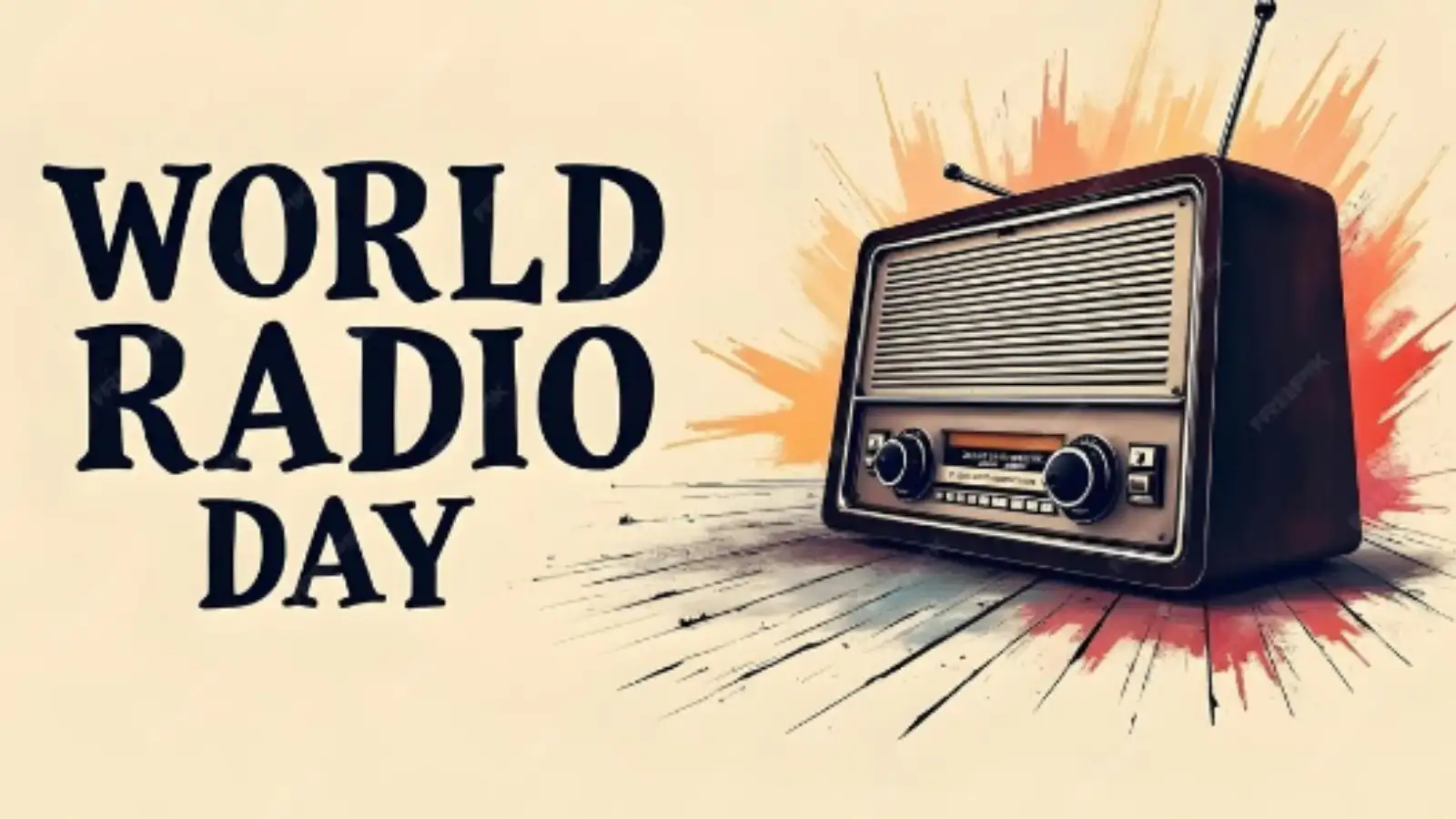
The Origins of World Radio Day
World Radio Day was first proclaimed by UNESCO in 2011 and officially adopted by the United Nations General Assembly in 2012. The chosen date, February 13, commemorates the establishment of United Nations Radio in 1946.
The day aims to recognise radio as a medium that fosters dialogue, ensures access to information, celebrates cultural diversity, and supports freedom of expression globally.
Why Radio Still Holds Importance Today
In an age dominated by algorithms, social media feeds, and instant messaging, radio continues to stand out for its unique advantages:
Unlike modern digital tools, radio does not need high-speed internet or expensive devices. A simple battery-powered set can become a vital source of news, education, and entertainment.
Radio in India : A Historic Influence
India boasts a rich radio legacy . All India Radio (AIR), launched in 1936, became a trusted voice for millions. It broadcasted independence speeches, cricket commentary, educational programmes, and emergency alerts, shaping public memory over decades.
Today, community radio stations empower farmers, women’s collectives, and local entrepreneurs, giving them a platform to share stories, knowledge, and innovations that might otherwise go unheard.
Annual Themes and Global Focus
Every year, UNESCO announces a theme for World Radio Day, reflecting radio’s evolving role in society. Recent themes have highlighted:
These themes underline radio’s enduring relevance in promoting informed, inclusive, and resilient societies.
Radio in the Digital Era
Far from fading away, radio has adapted seamlessly to the digital age:
Today, radio is no longer just a device with an antenna; it is an app, a live stream, and a podcast episode, proving its adaptability and continued relevance.
The Significance of World Radio Day
World Radio Day is more than a nostalgic celebration. It highlights radio’s critical roles:
In a world where misinformation spreads rapidly online, radio continues to be one of the most trusted sources of news and information.
Why Radio Has Endured
Radio has survived over a century because it is:
From farmers tuning in at dawn to commuters listening in traffic, radio remains a part of everyday life. Its future will integrate AI-driven programming, hybrid digital broadcasting, and interactive content, yet its core essence remains unchanged: a human voice reaching another human being.
On World Radio Day 2026, we celebrate not just a device, but a connection that transcends screens, borders, and barriers. Because sometimes, the strongest bond is built through sound.
The Origins of World Radio Day
World Radio Day was first proclaimed by UNESCO in 2011 and officially adopted by the United Nations General Assembly in 2012. The chosen date, February 13, commemorates the establishment of United Nations Radio in 1946.
The day aims to recognise radio as a medium that fosters dialogue, ensures access to information, celebrates cultural diversity, and supports freedom of expression globally.
Why Radio Still Holds Importance Today
In an age dominated by algorithms, social media feeds, and instant messaging, radio continues to stand out for its unique advantages:
- Reaches remote and rural communities often left out by digital platforms
- Functions reliably during natural disasters and emergencies
- Provides low-cost, trustworthy information
- Promotes local languages and culture
- Offers companionship to millions, bridging social isolation
Unlike modern digital tools, radio does not need high-speed internet or expensive devices. A simple battery-powered set can become a vital source of news, education, and entertainment.
Radio in India : A Historic Influence
India boasts a rich radio legacy . All India Radio (AIR), launched in 1936, became a trusted voice for millions. It broadcasted independence speeches, cricket commentary, educational programmes, and emergency alerts, shaping public memory over decades.
Today, community radio stations empower farmers, women’s collectives, and local entrepreneurs, giving them a platform to share stories, knowledge, and innovations that might otherwise go unheard.
Annual Themes and Global Focus
Every year, UNESCO announces a theme for World Radio Day, reflecting radio’s evolving role in society. Recent themes have highlighted:
- Building trust and truth in journalism
- Promoting media diversity
- Supporting community broadcasters
- Encouraging innovation in digital radio
These themes underline radio’s enduring relevance in promoting informed, inclusive, and resilient societies.
You may also like
- Vaibhav Laxmi Rajyoga: Auspicious conjunction of Mercury and Venus on April 18, people of these zodiac signs will become wealthy
- Kitchen Cleanliness Tips: Hand-washers, beware! Even shiny utensils retain so much dirt.
- Boost Your Energy: Expert Tips to Combat Fatigue in Just 15 Days
- Effortless Summer Recipes for Quick Meal Prep
- Artemis II: When Gen Z was busy perfecting moon-tinted filters, Gen X was travelling to the far side of the Moon
Radio in the Digital Era
Far from fading away, radio has adapted seamlessly to the digital age:
- FM channels remain popular in urban areas
- Internet radio connects global audiences
- Podcasts blend traditional broadcasting with on-demand listening
- Digital streaming breaks geographical barriers, making radio accessible worldwide
Today, radio is no longer just a device with an antenna; it is an app, a live stream, and a podcast episode, proving its adaptability and continued relevance.
The Significance of World Radio Day
World Radio Day is more than a nostalgic celebration. It highlights radio’s critical roles:
- Providing timely information during disasters
- Reaching people in conflict zones
- Amplifying marginalised voices
- Promoting informed societies
In a world where misinformation spreads rapidly online, radio continues to be one of the most trusted sources of news and information.
Why Radio Has Endured
Radio has survived over a century because it is:
- Accessible – easy for anyone to use
- Affordable – low-cost devices and broadcasts
- Inclusive – caters to all demographics
- Adaptable – evolves with new technologies
From farmers tuning in at dawn to commuters listening in traffic, radio remains a part of everyday life. Its future will integrate AI-driven programming, hybrid digital broadcasting, and interactive content, yet its core essence remains unchanged: a human voice reaching another human being.
On World Radio Day 2026, we celebrate not just a device, but a connection that transcends screens, borders, and barriers. Because sometimes, the strongest bond is built through sound.






More from our partners


Loving Newspoint? Download the app now
