
World Rhino Day 2026: Why Rhinoceroses Need Our Attention and Protection

Rhinoceroses are among the most recognisable animals on Earth. Known for their powerful bodies, thick skin and distinctive horns, these ancient mammals have survived for millions of years. However, several rhino species continue to face serious threats from habitat loss, illegal wildlife trade and poaching.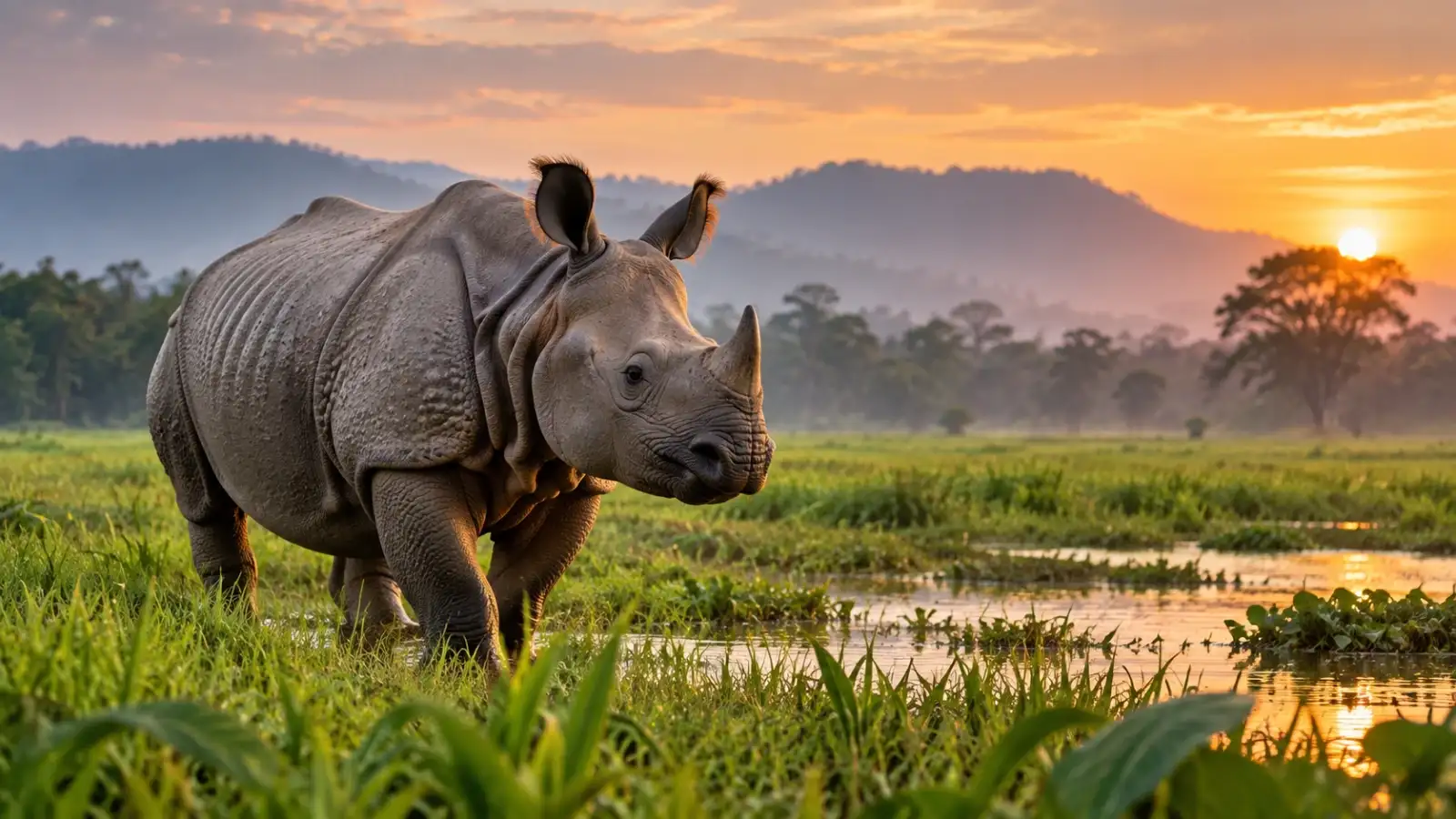
World Rhino Day, observed every year on 22 September, draws attention to the challenges facing rhinoceroses and highlights the need for stronger conservation efforts. The day also encourages people to learn more about rhino species, their habitats and the work being carried out to protect them.
For India, World Rhino Day has particular significance because the country is home to the greater one-horned rhinoceros , a species closely associated with the grasslands and wetlands of Assam and parts of northern India.
The observance brings attention to all five living rhino species, namely the greater one-horned rhino, white rhino, black rhino, Javan rhino and Sumatran rhino.
Conservation organisations, wildlife parks, educational institutions and animal welfare groups often use the day to organise awareness campaigns, educational activities and fundraising initiatives.
The occasion also reminds people that protecting rhinos requires more than safeguarding individual animals. It involves preserving habitats, supporting local communities, preventing illegal wildlife trade and strengthening wildlife protection systems.
In India, the species is strongly associated with Assam’s Kaziranga National Park. It is also found in other protected areas, including Pobitora Wildlife Sanctuary and Orang National Park.
The species has benefited from conservation programmes, although habitat pressure and other challenges remain.
White rhinos generally feed on grass and often live in open grassland habitats.
Their populations have been severely affected by poaching and habitat loss. Conservation programmes have helped some populations recover, but the species continues to face serious risks.
The species is threatened by its extremely limited range, habitat vulnerability and the risks associated with having a small population in one primary location.
It is critically endangered, with habitat fragmentation, low population numbers and difficulties in breeding posing major conservation challenges.
Their feeding habits can help shape the structure of plant communities. By creating pathways and disturbing vegetation, rhinos may also influence how other animals use their surroundings.
Rhinos are part of wider ecological systems that include plants, insects, birds and other mammals. Protecting them can therefore contribute to the conservation of entire landscapes.
Their survival is also an indicator of the health of certain grassland, wetland and forest ecosystems.
There is no reliable scientific evidence that rhino horn provides the medicinal benefits often claimed in illegal markets.
When habitats become fragmented, animals may find it harder to access food, water and safe breeding areas.
Conservation programmes increasingly focus on reducing conflict and involving local residents in wildlife protection.
Maintaining safe habitats and supporting carefully planned breeding and population management programmes can help reduce these risks.
Kaziranga’s floodplain grasslands and wetlands provide important habitat for rhinos. The park has become internationally recognised for its wildlife conservation efforts.
Other protected areas in Assam and northern India also contribute to rhino conservation. Anti-poaching patrols, habitat management, wildlife monitoring and community participation are important parts of these efforts.
India’s conservation experience demonstrates the importance of protected areas, long-term monitoring and cooperation between forest departments, conservation groups and local communities.
Camera traps, satellite tracking, drones and digital databases can help conservation teams understand animal movements, identify threats and monitor habitats.
In some areas, technology is also used to support anti-poaching operations and improve communication between wildlife officials.
However, technology works best when combined with trained field staff, effective law enforcement, local cooperation and long-term conservation planning.
Supporting credible wildlife organisations can help fund habitat protection, research and anti-poaching programmes. People can also avoid products made from illegal wildlife materials and spread awareness about the dangers of the illegal wildlife trade.
Responsible tourism is another important step. Visitors to national parks and wildlife sanctuaries should follow park rules, maintain a safe distance from animals and avoid activities that disturb wildlife.
Learning about rhinos and sharing accurate information can also help challenge myths about their horns and conservation needs.
People can read about the five rhino species , watch documentaries about wildlife conservation or explore the work of organisations protecting endangered animals .
Schools and colleges can organise discussions, quizzes, poster-making activities and awareness programmes. Wildlife enthusiasts can support habitat conservation projects or participate in responsible nature education initiatives.
The most important purpose of the day is to turn awareness into long-term support for wildlife protection.
World Rhino Day highlights the importance of protecting one of the planet’s most remarkable groups of mammals. Rhinoceroses face threats from poaching, habitat loss, human-wildlife conflict and declining populations, but conservation efforts have shown that meaningful progress is possible.
From the greater one-horned rhinos of Assam to the critically endangered species of Southeast Asia, every rhino population requires careful protection and long-term planning.
Safeguarding rhinos also means protecting the grasslands, wetlands and forests they depend on. By supporting responsible conservation, challenging misinformation and respecting wildlife, people can contribute to a future in which rhinoceroses continue to survive in the wild.
World Rhino Day, observed every year on 22 September, draws attention to the challenges facing rhinoceroses and highlights the need for stronger conservation efforts. The day also encourages people to learn more about rhino species, their habitats and the work being carried out to protect them.
For India, World Rhino Day has particular significance because the country is home to the greater one-horned rhinoceros , a species closely associated with the grasslands and wetlands of Assam and parts of northern India.
What Is World Rhino Day?
World Rhino Day is observed annually on 22 September to raise awareness about rhinoceroses and the threats affecting their survival.The observance brings attention to all five living rhino species, namely the greater one-horned rhino, white rhino, black rhino, Javan rhino and Sumatran rhino.
Conservation organisations, wildlife parks, educational institutions and animal welfare groups often use the day to organise awareness campaigns, educational activities and fundraising initiatives.
The occasion also reminds people that protecting rhinos requires more than safeguarding individual animals. It involves preserving habitats, supporting local communities, preventing illegal wildlife trade and strengthening wildlife protection systems.
The Five Living Rhino Species
There are five living species of rhinoceros, each with its own habitat, physical features and conservation challenges.Greater One-Horned Rhinoceros
The greater one-horned rhinoceros is found mainly in India and Nepal. It has a single horn and a distinctive skin pattern that gives its body an armour-like appearance.In India, the species is strongly associated with Assam’s Kaziranga National Park. It is also found in other protected areas, including Pobitora Wildlife Sanctuary and Orang National Park.
The species has benefited from conservation programmes, although habitat pressure and other challenges remain.
White Rhinoceros
White rhinos are native to Africa and are among the largest land mammals in the world. Despite their name, they are not actually white. The name is commonly linked to a historical misunderstanding of the word “wide”, referring to their broad mouths.White rhinos generally feed on grass and often live in open grassland habitats.
Black Rhinoceros
Black rhinos are also found in Africa. They have pointed upper lips that help them feed on leaves, twigs and other vegetation.Their populations have been severely affected by poaching and habitat loss. Conservation programmes have helped some populations recover, but the species continues to face serious risks.
Javan Rhinoceros
The Javan rhino is one of the rarest large mammals in the world. Its remaining wild population is concentrated in Indonesia’s Ujung Kulon National Park.The species is threatened by its extremely limited range, habitat vulnerability and the risks associated with having a small population in one primary location.
Sumatran Rhinoceros
The Sumatran rhino is the smallest of the living rhino species. It has a hairy body and is adapted to forest habitats in parts of Southeast Asia.It is critically endangered, with habitat fragmentation, low population numbers and difficulties in breeding posing major conservation challenges.
Why Are Rhinos Important to the Ecosystem?
Rhinos play an important role in maintaining the health of their natural habitats. As large herbivores, they influence vegetation patterns by grazing on grasses, browsing on plants and moving through forests and grasslands.Their feeding habits can help shape the structure of plant communities. By creating pathways and disturbing vegetation, rhinos may also influence how other animals use their surroundings.
Rhinos are part of wider ecological systems that include plants, insects, birds and other mammals. Protecting them can therefore contribute to the conservation of entire landscapes.
Their survival is also an indicator of the health of certain grassland, wetland and forest ecosystems.
The Major Threats Facing Rhinoceroses
Illegal Wildlife Trade
Rhino horns are illegally traded in some markets because of false beliefs about their medicinal properties and status value. Rhino horn is primarily made of keratin, the same protein found in human hair and fingernails.There is no reliable scientific evidence that rhino horn provides the medicinal benefits often claimed in illegal markets.
Habitat Loss
The conversion of forests, grasslands and wetlands for agriculture, roads, settlements and other activities can reduce the natural habitat available to rhinos.When habitats become fragmented, animals may find it harder to access food, water and safe breeding areas.
Human-Wildlife Conflict
As human settlements expand near wildlife habitats, encounters between people and rhinos can increase. Crop damage, accidental encounters and competition for land may create challenges for both communities and animals.Conservation programmes increasingly focus on reducing conflict and involving local residents in wildlife protection.
Small and Isolated Populations
Some rhino species survive in very small populations. This increases their vulnerability to disease, natural disasters, genetic challenges and sudden environmental changes.Maintaining safe habitats and supporting carefully planned breeding and population management programmes can help reduce these risks.
India’s Role in Rhino Conservation
India plays an important role in the conservation of the greater one-horned rhinoceros. Assam is home to a major population of the species, particularly in Kaziranga National Park.Kaziranga’s floodplain grasslands and wetlands provide important habitat for rhinos. The park has become internationally recognised for its wildlife conservation efforts.
Other protected areas in Assam and northern India also contribute to rhino conservation. Anti-poaching patrols, habitat management, wildlife monitoring and community participation are important parts of these efforts.
India’s conservation experience demonstrates the importance of protected areas, long-term monitoring and cooperation between forest departments, conservation groups and local communities.
How Technology Is Helping Protect Rhinos
Modern conservation programmes increasingly use technology to monitor wildlife and improve protection.Camera traps, satellite tracking, drones and digital databases can help conservation teams understand animal movements, identify threats and monitor habitats.
In some areas, technology is also used to support anti-poaching operations and improve communication between wildlife officials.
However, technology works best when combined with trained field staff, effective law enforcement, local cooperation and long-term conservation planning.
How People Can Support Rhino Conservation
Individuals can contribute to rhino conservation in several ways.Supporting credible wildlife organisations can help fund habitat protection, research and anti-poaching programmes. People can also avoid products made from illegal wildlife materials and spread awareness about the dangers of the illegal wildlife trade.
Responsible tourism is another important step. Visitors to national parks and wildlife sanctuaries should follow park rules, maintain a safe distance from animals and avoid activities that disturb wildlife.
Learning about rhinos and sharing accurate information can also help challenge myths about their horns and conservation needs.
How to Observe World Rhino Day
World Rhino Day can be observed through simple educational and responsible activities.People can read about the five rhino species , watch documentaries about wildlife conservation or explore the work of organisations protecting endangered animals .
Schools and colleges can organise discussions, quizzes, poster-making activities and awareness programmes. Wildlife enthusiasts can support habitat conservation projects or participate in responsible nature education initiatives.
The most important purpose of the day is to turn awareness into long-term support for wildlife protection.
World Rhino Day highlights the importance of protecting one of the planet’s most remarkable groups of mammals. Rhinoceroses face threats from poaching, habitat loss, human-wildlife conflict and declining populations, but conservation efforts have shown that meaningful progress is possible.
From the greater one-horned rhinos of Assam to the critically endangered species of Southeast Asia, every rhino population requires careful protection and long-term planning.
Safeguarding rhinos also means protecting the grasslands, wetlands and forests they depend on. By supporting responsible conservation, challenging misinformation and respecting wildlife, people can contribute to a future in which rhinoceroses continue to survive in the wild.
Next Story