
World Rivers Day 2026: Why Rivers Are Essential for Life on Earth

Rivers have shaped human civilization for thousands of years. They provide water for drinking, agriculture and industry while supporting forests, wetlands, wildlife and millions of livelihoods. Across India, rivers are also deeply connected with cultural traditions, religious practices, festivals and local histories.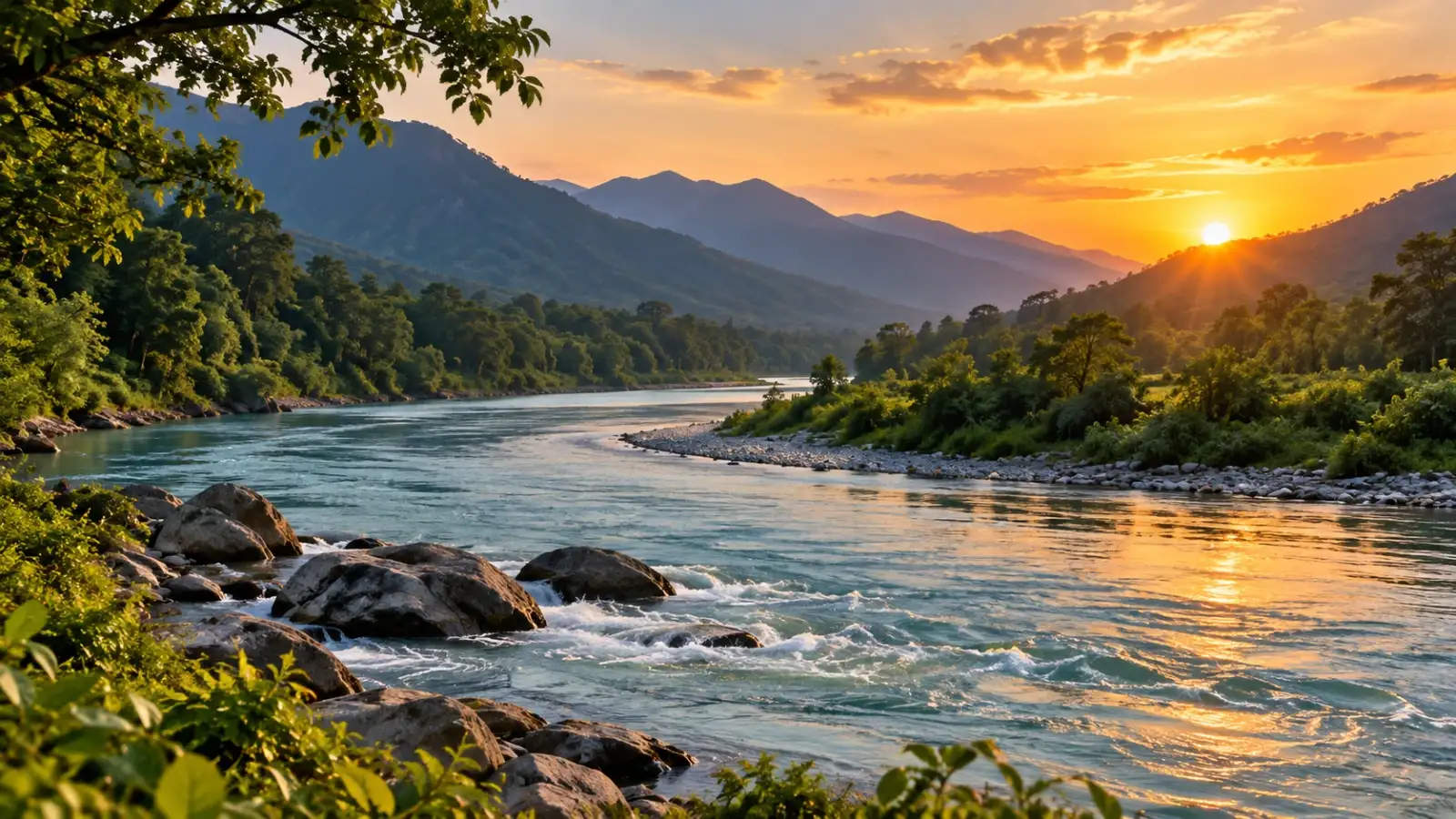
However, many rivers face growing pressure from pollution, excessive water extraction, encroachment, sand mining and climate-related changes. Protecting these waterways is essential not only for the environment but also for the communities that depend on them.
World Rivers Day provides an opportunity to understand the importance of rivers , recognise the challenges they face and encourage efforts to conserve freshwater ecosystems.
The observance was inspired by the work of internationally recognised river advocate Mark Angelo, who promoted greater public awareness about the importance of rivers and the need to protect them.
World Rivers Day is now marked in different parts of the world through educational programmes, river clean-up drives, awareness campaigns, community activities and environmental events.
The day encourages people to view rivers as living ecosystems rather than simply sources of water or channels for transportation.
Many towns and cities depend on rivers and connected reservoirs for their water supply.
In India, river systems such as the Ganga, Yamuna, Godavari, Krishna and Cauvery support extensive agricultural landscapes.
The availability of river water influences cropping patterns, food production and rural livelihoods.
Riverbanks can also provide shelter and food for terrestrial wildlife. Wetlands connected to rivers serve as important breeding and feeding grounds for many species.
In several regions, rivers also support transportation, local trade and cultural activities.
When rivers become polluted or their flow changes significantly, the effects can extend beyond the water itself and affect entire communities.
The Ganga is revered by millions of people and is closely connected with religious ceremonies and pilgrimage. The Yamuna, Narmada, Godavari, Krishna and Kaveri also hold cultural significance in different parts of the country.
Riverbanks have historically served as places for settlements, trade, learning and public gatherings.
At the same time, cultural respect for rivers must be accompanied by practical conservation efforts. Ritual activities, waste disposal and untreated sewage can place additional pressure on river ecosystems if they are not managed responsibly.
Pollution affects water quality and may harm fish, birds, aquatic plants and people who depend on rivers for their daily needs.
Low flows can affect aquatic habitats, groundwater recharge and the ability of rivers to dilute pollutants naturally.
Floodplains help absorb excess water during heavy rainfall. When these areas are covered by buildings or roads, flood risks may increase.
The impact depends on the design, location and management of each project.
Some rivers may experience greater flooding, while others face reduced flows during dry periods. These changes can create additional challenges for water management and biodiversity.
The river faces challenges involving sewage, industrial pollution, solid waste and pressure from urbanisation.
Seasonal flooding can replenish soils but may also create serious risks for nearby communities.
Water use, development projects and changes in river ecology remain important topics in discussions about its future.
Its basin faces challenges linked to water demand, pollution and changing rainfall patterns.
The river is also associated with long-standing discussions about water sharing and resource management.
Treating sewage before it enters waterways is one of the most important steps towards improving river health. Industrial waste must also be managed according to environmental standards.
Protecting wetlands, floodplains and riverbank vegetation can help maintain ecological functions. Sustainable water use, better agricultural practices and responsible waste disposal can further reduce pressure on rivers.
Community-led monitoring and river clean-up programmes can also improve public participation. However, clean-up drives are most effective when combined with long-term measures that prevent pollution at its source.
Schools and colleges can organise river-themed discussions, exhibitions, quizzes and educational activities. Communities can participate in carefully planned clean-up drives or awareness campaigns.
Individuals can also reduce plastic consumption, avoid throwing waste into drains and waterways, use water responsibly and support credible environmental organisations.
Visitors to rivers should respect local rules and avoid disturbing wildlife or damaging riverbank habitats.
Protecting rivers requires more than occasional campaigns. It involves long-term planning, scientific monitoring, responsible development and public participation.
A river may cross several districts or states, which means that conservation efforts often require coordination across administrative boundaries.
The future of rivers depends on how societies balance water use, economic development and ecological needs.
World Rivers Day reminds us that rivers are much more than flowing bodies of water. They are essential ecological systems that support wildlife, agriculture, cities, industries and cultural traditions.
From the Ganga and Brahmaputra to the Narmada, Godavari and Cauvery, India’s rivers play a central role in the country’s environmental and social landscape.
Pollution, excessive water extraction, habitat destruction and climate change pose serious challenges, but responsible planning and community participation can help protect these waterways.
By using water carefully, reducing pollution and supporting long-term conservation efforts, individuals and institutions can contribute to healthier rivers for future generations.
However, many rivers face growing pressure from pollution, excessive water extraction, encroachment, sand mining and climate-related changes. Protecting these waterways is essential not only for the environment but also for the communities that depend on them.
World Rivers Day provides an opportunity to understand the importance of rivers , recognise the challenges they face and encourage efforts to conserve freshwater ecosystems.
When Is World Rivers Day Celebrated?
World Rivers Day is observed every year on the fourth Sunday of September. In 2026, World Rivers Day falls on 27 September.The observance was inspired by the work of internationally recognised river advocate Mark Angelo, who promoted greater public awareness about the importance of rivers and the need to protect them.
World Rivers Day is now marked in different parts of the world through educational programmes, river clean-up drives, awareness campaigns, community activities and environmental events.
The day encourages people to view rivers as living ecosystems rather than simply sources of water or channels for transportation.
Why Are Rivers Important?
Rivers perform several essential ecological, economic and social functions.Source of Freshwater
Rivers provide freshwater for households, farming, industries and several other activities. Although rivers contain only a small share of the planet’s total water, they are vital to human societies because much of the water used by communities is connected to river systems.Many towns and cities depend on rivers and connected reservoirs for their water supply.
Support for Agriculture
Agriculture in many regions relies on river water for irrigation. River valleys often have fertile soils created by the deposition of sediments over time.In India, river systems such as the Ganga, Yamuna, Godavari, Krishna and Cauvery support extensive agricultural landscapes.
The availability of river water influences cropping patterns, food production and rural livelihoods.
Habitat for Wildlife
Rivers support a wide range of plants and animals. Fish, freshwater turtles, birds, amphibians and aquatic insects depend on healthy river ecosystems.Riverbanks can also provide shelter and food for terrestrial wildlife. Wetlands connected to rivers serve as important breeding and feeding grounds for many species.
Support for Livelihoods
Fishing communities, farmers, boat operators, tourism workers and artisans often depend directly or indirectly on rivers.In several regions, rivers also support transportation, local trade and cultural activities.
When rivers become polluted or their flow changes significantly, the effects can extend beyond the water itself and affect entire communities.
The Cultural Importance of Rivers in India
Rivers hold a special place in Indian cultural and spiritual traditions. Many rivers are associated with stories, festivals, pilgrimage sites and regional identities.The Ganga is revered by millions of people and is closely connected with religious ceremonies and pilgrimage. The Yamuna, Narmada, Godavari, Krishna and Kaveri also hold cultural significance in different parts of the country.
Riverbanks have historically served as places for settlements, trade, learning and public gatherings.
At the same time, cultural respect for rivers must be accompanied by practical conservation efforts. Ritual activities, waste disposal and untreated sewage can place additional pressure on river ecosystems if they are not managed responsibly.
Major Threats Facing Rivers
Water Pollution
Untreated sewage, industrial discharge, agricultural runoff and plastic waste can damage river ecosystems.Pollution affects water quality and may harm fish, birds, aquatic plants and people who depend on rivers for their daily needs.
Excessive Water Extraction
When too much water is removed for farming, industry or urban consumption, river flows can decline.Low flows can affect aquatic habitats, groundwater recharge and the ability of rivers to dilute pollutants naturally.
Encroachment and Habitat Loss
Construction along riverbanks and the destruction of floodplains can reduce the natural space available to rivers.Floodplains help absorb excess water during heavy rainfall. When these areas are covered by buildings or roads, flood risks may increase.
Dams and Altered River Flows
Dams and other water infrastructure can provide important benefits, including irrigation, drinking water and electricity generation. However, they may also alter natural river flows and affect fish migration, sediment movement and downstream ecosystems.The impact depends on the design, location and management of each project.
Climate Change
Changing rainfall patterns, rising temperatures, glacier loss and more frequent extreme weather events can affect river systems.Some rivers may experience greater flooding, while others face reduced flows during dry periods. These changes can create additional challenges for water management and biodiversity.
Important Rivers of India
Ganga
The Ganga is one of India’s most important rivers in terms of ecology, agriculture, culture and population dependence. Its basin supports a large number of communities and diverse ecosystems.The river faces challenges involving sewage, industrial pollution, solid waste and pressure from urbanisation.
Brahmaputra
The Brahmaputra is known for its powerful flow and extensive floodplains. It supports agriculture, fisheries and wetland ecosystems, particularly in Assam.Seasonal flooding can replenish soils but may also create serious risks for nearby communities.
Narmada
The Narmada flows through central India and is associated with several cultural traditions. Its valley includes forests, agricultural areas and important landscapes.Water use, development projects and changes in river ecology remain important topics in discussions about its future.
Godavari
Often described as one of the major river systems of peninsular India, the Godavari supports agriculture, towns and wetlands across several states.Its basin faces challenges linked to water demand, pollution and changing rainfall patterns.
Cauvery
The Cauvery is important for agriculture, drinking water and cultural life in southern India. Its waters support several rural and urban communities.The river is also associated with long-standing discussions about water sharing and resource management.
How Rivers Can Be Protected
River conservation requires cooperation between governments, local communities, industries, researchers and citizens.Treating sewage before it enters waterways is one of the most important steps towards improving river health. Industrial waste must also be managed according to environmental standards.
Protecting wetlands, floodplains and riverbank vegetation can help maintain ecological functions. Sustainable water use, better agricultural practices and responsible waste disposal can further reduce pressure on rivers.
Community-led monitoring and river clean-up programmes can also improve public participation. However, clean-up drives are most effective when combined with long-term measures that prevent pollution at its source.
How to Observe World Rivers Day
People can observe World Rivers Day by learning about nearby rivers and understanding the environmental challenges affecting them.Schools and colleges can organise river-themed discussions, exhibitions, quizzes and educational activities. Communities can participate in carefully planned clean-up drives or awareness campaigns.
Individuals can also reduce plastic consumption, avoid throwing waste into drains and waterways, use water responsibly and support credible environmental organisations.
You may also like
- 10 Iron-Rich Snacks You Should Not Ignore
- Meet Koushik Kharvi, who once hid while delivering food orders, fearing friends would judge him; 9 years later, he owns a popular seafood joint
- 12 Adventure Treks To Explore In India
- 10 Weekend Places To Explore Near Rishikesh in October 2026
- Meet 9-year-old Vishvavardhan Sharma, who memorised Panini's 4000 sutras at age 4 and has made Gita app that works without internet
Visitors to rivers should respect local rules and avoid disturbing wildlife or damaging riverbank habitats.
Why River Conservation Matters for the Future
Healthy rivers are essential for water security, biodiversity, agriculture and resilient communities. Their condition also reflects the wider health of the landscapes through which they flow.Protecting rivers requires more than occasional campaigns. It involves long-term planning, scientific monitoring, responsible development and public participation.
A river may cross several districts or states, which means that conservation efforts often require coordination across administrative boundaries.
The future of rivers depends on how societies balance water use, economic development and ecological needs.
World Rivers Day reminds us that rivers are much more than flowing bodies of water. They are essential ecological systems that support wildlife, agriculture, cities, industries and cultural traditions.
From the Ganga and Brahmaputra to the Narmada, Godavari and Cauvery, India’s rivers play a central role in the country’s environmental and social landscape.
Pollution, excessive water extraction, habitat destruction and climate change pose serious challenges, but responsible planning and community participation can help protect these waterways.
By using water carefully, reducing pollution and supporting long-term conservation efforts, individuals and institutions can contribute to healthier rivers for future generations.






Loving Newspoint? Download the app now
