
World Tourism Day 2026: History, Significance and Why Travel Matters

Travel allows people to explore unfamiliar places, experience different cultures and discover stories beyond their everyday surroundings. From historic cities and mountain villages to wildlife reserves and coastal towns, tourism connects people with the cultural and natural diversity of the world.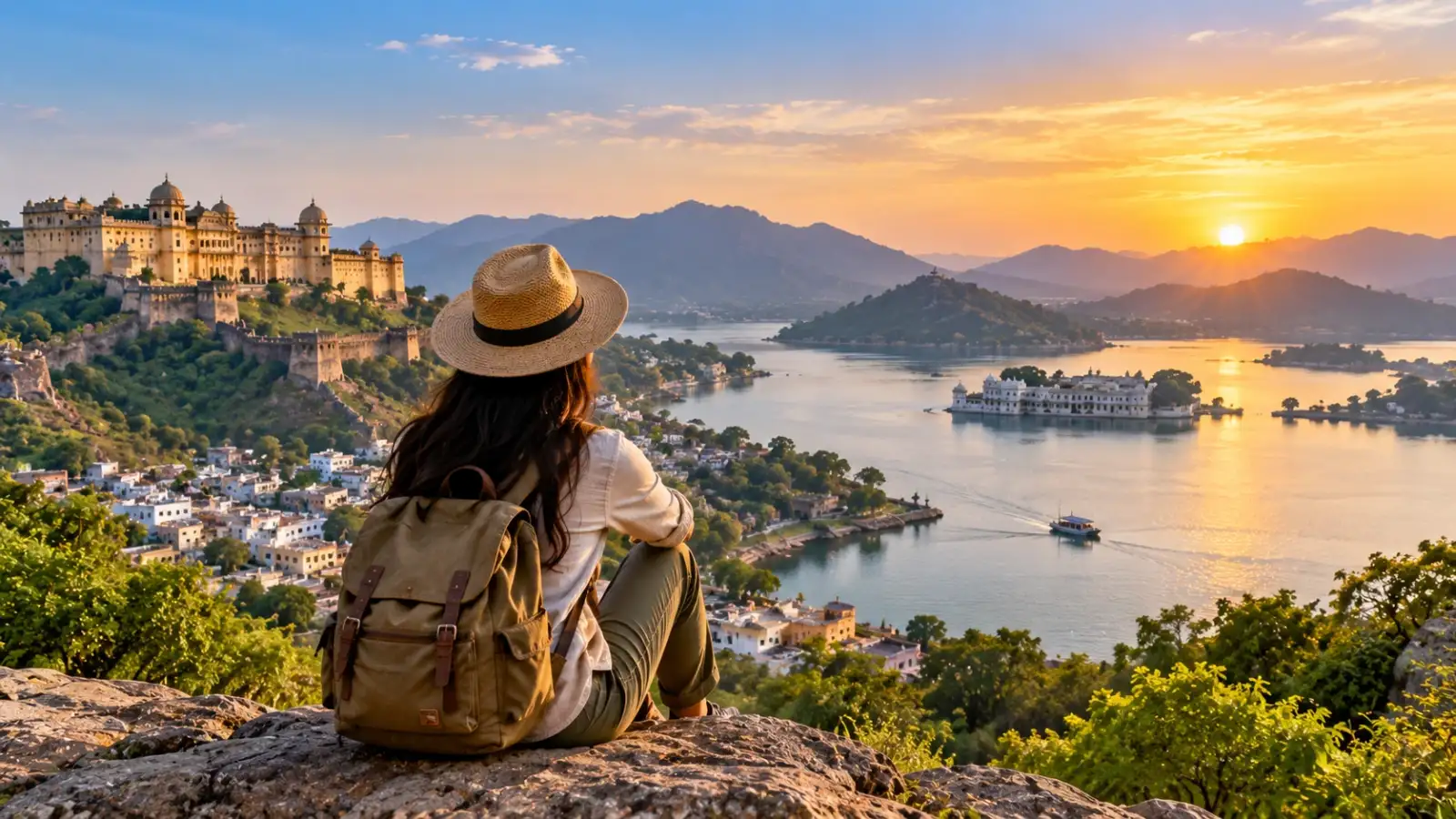
Tourism also plays an important role in employment, local businesses, heritage conservation and regional development. At the same time, poorly managed tourism can place pressure on natural resources, create waste and affect local communities.
World Tourism Day highlights the importance of travel and encourages conversations about responsible, inclusive and sustainable tourism .
The day was established by the United Nations World Tourism Organization, now known as UN Tourism, to highlight the social, cultural, political and economic importance of tourism .
The date was selected because it coincides with the anniversary of the adoption of the organisation’s statutes in 1970.
World Tourism Day was first celebrated in 1980. Since then, it has become an international occasion for discussing tourism-related opportunities, challenges and developments.
Each year, the observance focuses on a particular theme connected with the future of tourism and its impact on society.
Tourism can create direct and indirect employment, particularly in regions where traditional industries may offer limited opportunities.
When travellers choose locally owned businesses, a larger share of their spending may remain within the destination community.
Visiting a new destination can encourage greater understanding of local ways of life. Cultural exchange can also help challenge stereotypes and create meaningful connections between communities.
However, cultural experiences should be approached with respect, particularly when visitors encounter traditions or communities that differ from their own.
Entrance fees, donations and tourism-related revenue may support the maintenance of heritage sites and cultural institutions.
Tourism can also create greater public interest in preserving regional architecture, crafts, music and food traditions.
Responsible nature tourism may support conservation projects and create incentives to protect habitats.
However, tourism must be carefully managed to avoid disturbing wildlife, damaging landscapes or exhausting natural resources.
It involves responsible planning, efficient use of resources and respect for local communities.
Sustainable tourism may include reducing plastic waste, conserving water, supporting public transport, protecting biodiversity and choosing accommodation that follows responsible environmental practices.
It also means avoiding overcrowded or sensitive locations when visitor numbers may damage local ecosystems or affect residents’ quality of life.
The goal is not to stop tourism but to make travel more balanced and responsible.
The Himalayan region attracts visitors with its mountain landscapes, villages and trekking routes. Rajasthan is known for its forts, palaces, desert landscapes and traditional crafts.
Kerala’s backwaters, Tamil Nadu’s temples, Goa’s coastal destinations and the northeastern states’ natural beauty contribute to India’s diverse tourism landscape.
Historic cities such as Delhi, Agra, Varanasi and Jaipur attract visitors interested in architecture, history and cultural heritage.
India’s villages and smaller towns also offer opportunities to experience regional food, traditional festivals, local markets and community-based tourism.
Experiential travel may include learning a traditional craft, joining a cooking workshop, staying in a village homestay, exploring local food markets or participating in nature-based activities.
This approach can help visitors understand a destination more deeply. It may also provide additional income for local artisans, farmers, guides and small businesses.
However, experiences should be organised ethically, with fair compensation and respect for community privacy and cultural boundaries.
Overtourism can also affect residents by increasing noise, congestion and the cost of living in certain areas.
Mountain regions, beaches, coral reefs and wildlife habitats can be particularly vulnerable to poorly managed tourism.
Supporting community-led tourism and allowing local people to shape how their culture is presented can help address this concern.
Fair employment practices, local ownership and transparent tourism planning can help distribute benefits more widely.
People can support local artisans, eat at locally owned restaurants and choose responsible travel services.
Schools and colleges can organise travel exhibitions, cultural programmes, photography activities and discussions on sustainable tourism.
Travellers can also use the occasion to reflect on their own travel habits and consider how their choices affect destinations and communities.
Even exploring a lesser-known place near home can encourage curiosity while reducing pressure on heavily visited tourist sites.
Travellers can carry reusable water bottles, avoid single-use plastic, respect local customs and follow waste-disposal rules.
Visitors should avoid disturbing wildlife, damaging monuments or entering restricted areas. Purchasing locally made products from genuine artisans can help support traditional livelihoods.
Using public transport where practical, conserving water and choosing ethical accommodation can also reduce the environmental impact of travel.
Most importantly, travellers should remember that destinations are living communities rather than simply sightseeing locations.
It encourages governments, businesses and travellers to think about how tourism can create opportunities without placing an unfair burden on local people or natural resources.
The day also provides an opportunity to recognise the contribution of tourism workers, including guides, drivers, hotel staff, artisans, cooks and conservation professionals.
A well-managed tourism industry can help preserve heritage, support livelihoods and encourage greater understanding between people from different backgrounds.
World Tourism Day celebrates the role of travel in connecting people, cultures and communities. Tourism can support local economies, encourage cultural exchange and contribute to heritage and environmental conservation when it is planned responsibly.
India’s diverse landscapes, traditions and historical sites demonstrate the many possibilities of meaningful travel. However, protecting these destinations requires cooperation between travellers, local communities, businesses and authorities.
As travel continues to evolve, the focus must move beyond the number of visitors and consider the quality, fairness and long-term impact of tourism.
World Tourism Day reminds us that responsible travel is not only about discovering new places. It is also about helping ensure that these places remain healthy, welcoming and culturally rich for future generations.
Tourism also plays an important role in employment, local businesses, heritage conservation and regional development. At the same time, poorly managed tourism can place pressure on natural resources, create waste and affect local communities.
World Tourism Day highlights the importance of travel and encourages conversations about responsible, inclusive and sustainable tourism .
When Is World Tourism Day Celebrated?
World Tourism Day is observed every year on 27 September. In 2026, the day falls on Sunday, 27 September.The day was established by the United Nations World Tourism Organization, now known as UN Tourism, to highlight the social, cultural, political and economic importance of tourism .
The date was selected because it coincides with the anniversary of the adoption of the organisation’s statutes in 1970.
World Tourism Day was first celebrated in 1980. Since then, it has become an international occasion for discussing tourism-related opportunities, challenges and developments.
Each year, the observance focuses on a particular theme connected with the future of tourism and its impact on society.
Why Is Tourism Important?
Tourism influences several aspects of modern life, from employment and infrastructure to cultural exchange and environmental awareness.Tourism Supports Local Economies
Hotels, restaurants, transport operators, tour guides, handicraft sellers and local activity providers often depend on visitors.Tourism can create direct and indirect employment, particularly in regions where traditional industries may offer limited opportunities.
When travellers choose locally owned businesses, a larger share of their spending may remain within the destination community.
Tourism Encourages Cultural Exchange
Travel allows people to experience different languages, cuisines, customs, festivals and artistic traditions.Visiting a new destination can encourage greater understanding of local ways of life. Cultural exchange can also help challenge stereotypes and create meaningful connections between communities.
However, cultural experiences should be approached with respect, particularly when visitors encounter traditions or communities that differ from their own.
Tourism Supports Heritage Conservation
Historic buildings, museums, archaeological sites and traditional art forms often benefit from responsible tourism.Entrance fees, donations and tourism-related revenue may support the maintenance of heritage sites and cultural institutions.
Tourism can also create greater public interest in preserving regional architecture, crafts, music and food traditions.
Tourism Promotes Environmental Awareness
Travel to national parks, wetlands, forests and coastal areas can introduce visitors to important ecosystems.Responsible nature tourism may support conservation projects and create incentives to protect habitats.
However, tourism must be carefully managed to avoid disturbing wildlife, damaging landscapes or exhausting natural resources.
The Importance of Sustainable Tourism
Sustainable tourism focuses on reducing the negative effects of travel while ensuring that destinations continue to benefit economically, socially and environmentally.It involves responsible planning, efficient use of resources and respect for local communities.
Sustainable tourism may include reducing plastic waste, conserving water, supporting public transport, protecting biodiversity and choosing accommodation that follows responsible environmental practices.
It also means avoiding overcrowded or sensitive locations when visitor numbers may damage local ecosystems or affect residents’ quality of life.
The goal is not to stop tourism but to make travel more balanced and responsible.
Tourism and India’s Cultural Diversity
India offers a wide range of travel experiences shaped by its geography, history and cultural traditions.The Himalayan region attracts visitors with its mountain landscapes, villages and trekking routes. Rajasthan is known for its forts, palaces, desert landscapes and traditional crafts.
Kerala’s backwaters, Tamil Nadu’s temples, Goa’s coastal destinations and the northeastern states’ natural beauty contribute to India’s diverse tourism landscape.
Historic cities such as Delhi, Agra, Varanasi and Jaipur attract visitors interested in architecture, history and cultural heritage.
India’s villages and smaller towns also offer opportunities to experience regional food, traditional festivals, local markets and community-based tourism.
The Rise of Experiential Travel
Modern travellers are increasingly interested in experiences rather than simply visiting famous landmarks.Experiential travel may include learning a traditional craft, joining a cooking workshop, staying in a village homestay, exploring local food markets or participating in nature-based activities.
This approach can help visitors understand a destination more deeply. It may also provide additional income for local artisans, farmers, guides and small businesses.
However, experiences should be organised ethically, with fair compensation and respect for community privacy and cultural boundaries.
The Challenges Facing the Tourism Industry
Overtourism
Popular destinations can experience overcrowding during peak seasons. Large visitor numbers may place pressure on roads, water supplies, waste management systems and public spaces.Overtourism can also affect residents by increasing noise, congestion and the cost of living in certain areas.
Environmental Damage
Unregulated tourism can contribute to littering, habitat destruction, water pollution and damage to fragile ecosystems.Mountain regions, beaches, coral reefs and wildlife habitats can be particularly vulnerable to poorly managed tourism.
Cultural Commercialisation
Tourism can sometimes transform cultural traditions into performances designed mainly for visitors. This may reduce complex customs to simplified versions of their original meaning.Supporting community-led tourism and allowing local people to shape how their culture is presented can help address this concern.
Unequal Economic Benefits
Not every community benefits equally from tourism. Large businesses may receive a significant share of tourism revenue, while local workers and small enterprises may see limited gains.Fair employment practices, local ownership and transparent tourism planning can help distribute benefits more widely.
How to Celebrate World Tourism Day
World Tourism Day can be observed by exploring a local destination, visiting a museum or learning about a region’s history and traditions.People can support local artisans, eat at locally owned restaurants and choose responsible travel services.
Schools and colleges can organise travel exhibitions, cultural programmes, photography activities and discussions on sustainable tourism.
Travellers can also use the occasion to reflect on their own travel habits and consider how their choices affect destinations and communities.
Even exploring a lesser-known place near home can encourage curiosity while reducing pressure on heavily visited tourist sites.
Tips for Responsible Travel
Responsible tourism begins with small but meaningful choices.Travellers can carry reusable water bottles, avoid single-use plastic, respect local customs and follow waste-disposal rules.
Visitors should avoid disturbing wildlife, damaging monuments or entering restricted areas. Purchasing locally made products from genuine artisans can help support traditional livelihoods.
Using public transport where practical, conserving water and choosing ethical accommodation can also reduce the environmental impact of travel.
Most importantly, travellers should remember that destinations are living communities rather than simply sightseeing locations.
Why World Tourism Day Matters
World Tourism Day highlights the many ways tourism can influence economies, communities, cultures and the environment.You may also like
- Post Office RD vs SBI RD: Where will you get more money after 10 years with a monthly deposit of ₹10,000?
- Baby born from 31-year-old frozen embryo: How an IVF embryo from 1994 became a record-breaking birth
- FD Rule Change: Will FD interest rates change from October 1? Understand the new rules implemented by the RBI..
- Creatara Mobility: India's First Lifestyle e2W Maker Opens New Plant
- 10-minute deliveries: Are instant grocery apps driving India's waste crisis?
It encourages governments, businesses and travellers to think about how tourism can create opportunities without placing an unfair burden on local people or natural resources.
The day also provides an opportunity to recognise the contribution of tourism workers, including guides, drivers, hotel staff, artisans, cooks and conservation professionals.
A well-managed tourism industry can help preserve heritage, support livelihoods and encourage greater understanding between people from different backgrounds.
World Tourism Day celebrates the role of travel in connecting people, cultures and communities. Tourism can support local economies, encourage cultural exchange and contribute to heritage and environmental conservation when it is planned responsibly.
India’s diverse landscapes, traditions and historical sites demonstrate the many possibilities of meaningful travel. However, protecting these destinations requires cooperation between travellers, local communities, businesses and authorities.
As travel continues to evolve, the focus must move beyond the number of visitors and consider the quality, fairness and long-term impact of tourism.
World Tourism Day reminds us that responsible travel is not only about discovering new places. It is also about helping ensure that these places remain healthy, welcoming and culturally rich for future generations.






Loving Newspoint? Download the app now
