
World Vegetarian Day 2026: Why It Is Celebrated, History, Benefits and Food Ideas

World Vegetarian Day is observed every year on 1 October, marking the beginning of Vegetarian Awareness Month. The occasion highlights vegetarian lifestyles and encourages people to learn more about plant-based food, nutrition, animal welfare and the environmental aspects of food choices.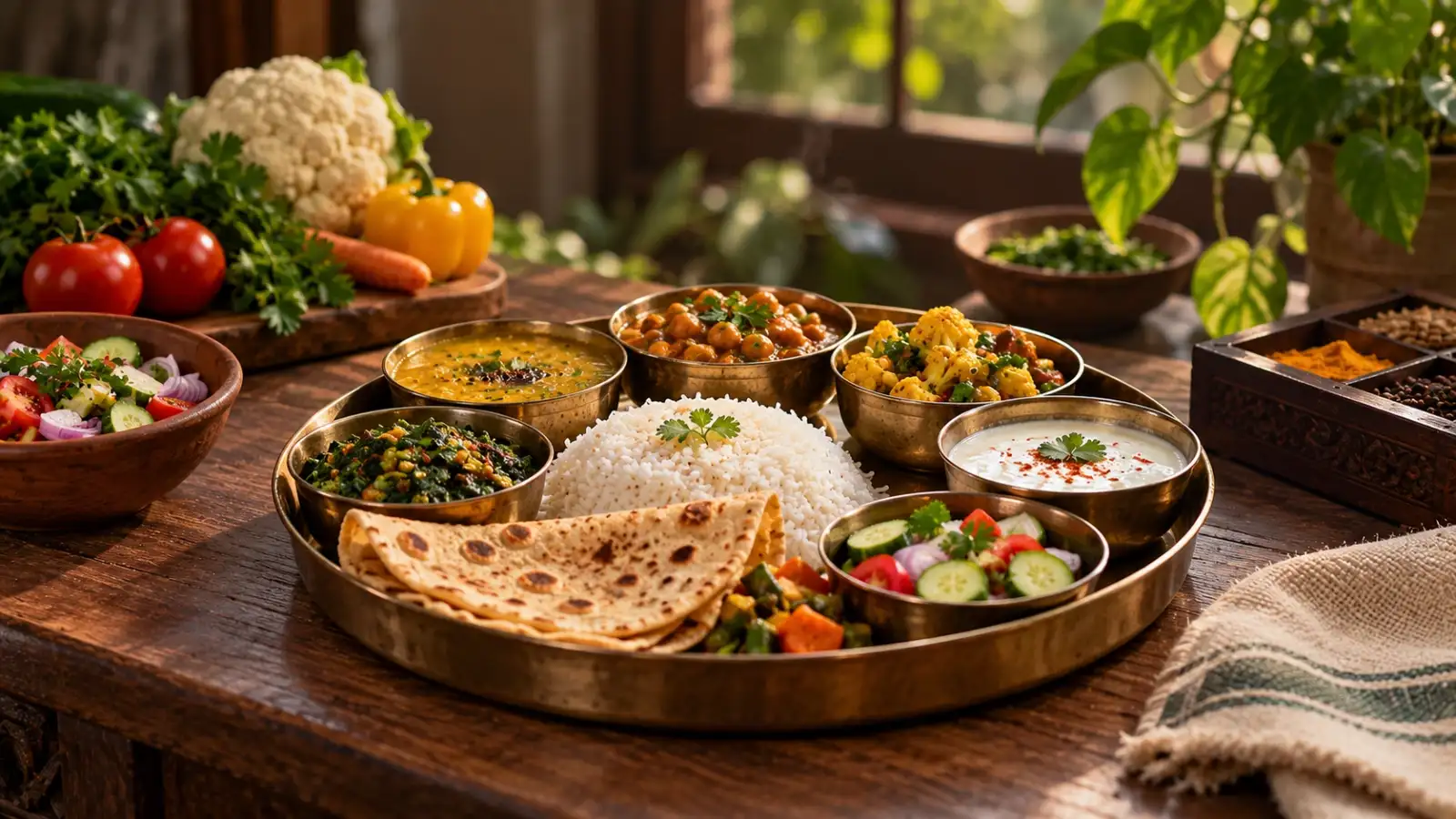
For some people, vegetarianism is linked to cultural or religious traditions, while others choose it because of personal values, dietary preferences or concerns about sustainability. Today, vegetarian food has also become a mainstream part of restaurant menus and everyday cooking in many parts of the world.
The day was established by the North American Vegetarian Society in 1977 as an opportunity to promote awareness of vegetarianism and its potential benefits.
The event also marks the beginning of Vegetarian Awareness Month, which continues throughout October.
It also provides an opportunity to discuss subjects such as nutrition, animal welfare and environmental sustainability. Rather than requiring everyone to follow the same diet, the occasion encourages people to understand the choices available to them.
Vegetarian diets can vary considerably. Some people avoid meat and fish but consume dairy products and eggs, while others follow stricter plant-based diets.
However, there are several variations. Lacto-vegetarians consume dairy products but avoid meat, fish and eggs. Ovo-vegetarians eat eggs but avoid meat, fish and dairy. Lacto-ovo vegetarians include both dairy and eggs.
A vegan diet goes further by avoiding animal-derived foods such as dairy and eggs altogether.
These distinctions are useful because the nutritional composition of different vegetarian diets can vary depending on the foods included.
Indian cuisine demonstrates that vegetarian food can extend far beyond a simple collection of side dishes. Dishes such as dal, rajma, chole, idli, dosa, paneer preparations, vegetable curries and a wide variety of regional specialities provide substantial meals using ingredients such as pulses, grains, vegetables, dairy products, nuts and spices.
Different regions have developed their own vegetarian cooking styles, resulting in considerable diversity.
Foods such as lentils, beans and chickpeas provide protein and fibre, while nuts and seeds can contribute healthy fats and minerals. Fruits and vegetables provide a variety of vitamins and other nutrients.
However, simply removing meat does not automatically make a diet balanced. People following vegetarian diets need to pay attention to nutrients such as vitamin B12, iron, calcium, vitamin D, iodine and protein, depending on the foods they eat.
Fortified foods or supplements may be appropriate for some people, particularly for nutrients that are difficult to obtain from a particular diet.
Plant-based foods can form an important part of diets designed to reduce environmental impact, particularly when meals emphasise a diverse range of minimally processed plant foods.
At the same time, environmental sustainability is more complicated than simply categorising foods as vegetarian or non-vegetarian. Farming methods, transportation, water use, land use and food waste can all influence the overall impact of what we eat.
Plant-based versions of familiar dishes have also become more common, while chefs are experimenting with vegetables, legumes, grains and alternative proteins in new ways.
This has made vegetarian eating more accessible to people who may not traditionally have followed a vegetarian diet.
You could prepare a vegetarian meal using seasonal vegetables, experiment with an unfamiliar regional Indian recipe or try replacing meat with pulses or other plant-based protein sources in a familiar dish.
Another option is to learn more about balanced vegetarian nutrition or explore the culinary traditions of a different region.
The focus does not necessarily have to be on making a permanent dietary change. It can simply be an opportunity to understand vegetarian food and the choices behind it.
From traditional Indian meals and Mediterranean dishes to modern vegetarian cuisine, the possibilities extend well beyond salads and simple vegetable dishes.
Observed on 1 October 2026, the day offers an opportunity to explore vegetarian food, understand its nutritional considerations and learn more about the cultural and environmental conversations surrounding what we eat.
For some people, vegetarianism is linked to cultural or religious traditions, while others choose it because of personal values, dietary preferences or concerns about sustainability. Today, vegetarian food has also become a mainstream part of restaurant menus and everyday cooking in many parts of the world.
When Is World Vegetarian Day 2026 ?
World Vegetarian Day will be observed on Thursday, 1 October 2026.The day was established by the North American Vegetarian Society in 1977 as an opportunity to promote awareness of vegetarianism and its potential benefits.
The event also marks the beginning of Vegetarian Awareness Month, which continues throughout October.
Why Is World Vegetarian Day Celebrated?
The day is intended to increase awareness of vegetarian diets and encourage people to explore plant-based foods.It also provides an opportunity to discuss subjects such as nutrition, animal welfare and environmental sustainability. Rather than requiring everyone to follow the same diet, the occasion encourages people to understand the choices available to them.
Vegetarian diets can vary considerably. Some people avoid meat and fish but consume dairy products and eggs, while others follow stricter plant-based diets.
What Does Being Vegetarian Mean?
Vegetarianism generally refers to a diet that excludes meat, poultry and fish.However, there are several variations. Lacto-vegetarians consume dairy products but avoid meat, fish and eggs. Ovo-vegetarians eat eggs but avoid meat, fish and dairy. Lacto-ovo vegetarians include both dairy and eggs.
A vegan diet goes further by avoiding animal-derived foods such as dairy and eggs altogether.
These distinctions are useful because the nutritional composition of different vegetarian diets can vary depending on the foods included.
Vegetarian Traditions Have Deep Roots in India
India has one of the world's longest and most diverse traditions of vegetarian eating. Vegetarian food has been influenced by religious practices, regional customs, agriculture and local availability of ingredients.Indian cuisine demonstrates that vegetarian food can extend far beyond a simple collection of side dishes. Dishes such as dal, rajma, chole, idli, dosa, paneer preparations, vegetable curries and a wide variety of regional specialities provide substantial meals using ingredients such as pulses, grains, vegetables, dairy products, nuts and spices.
Different regions have developed their own vegetarian cooking styles, resulting in considerable diversity.
Possible Nutritional Benefits
A well-planned vegetarian diet can provide a wide range of nutrients through vegetables, fruits, whole grains, pulses, nuts, seeds and other plant foods.Foods such as lentils, beans and chickpeas provide protein and fibre, while nuts and seeds can contribute healthy fats and minerals. Fruits and vegetables provide a variety of vitamins and other nutrients.
However, simply removing meat does not automatically make a diet balanced. People following vegetarian diets need to pay attention to nutrients such as vitamin B12, iron, calcium, vitamin D, iodine and protein, depending on the foods they eat.
Fortified foods or supplements may be appropriate for some people, particularly for nutrients that are difficult to obtain from a particular diet.
Vegetarian Food and the Environment
Food production has environmental impacts, and these can vary considerably depending on the type of food, production system and location.Plant-based foods can form an important part of diets designed to reduce environmental impact, particularly when meals emphasise a diverse range of minimally processed plant foods.
At the same time, environmental sustainability is more complicated than simply categorising foods as vegetarian or non-vegetarian. Farming methods, transportation, water use, land use and food waste can all influence the overall impact of what we eat.
Vegetarianism Is Growing Beyond Traditional Communities
Vegetarian food is increasingly visible in restaurants, supermarkets and food delivery services around the world.Plant-based versions of familiar dishes have also become more common, while chefs are experimenting with vegetables, legumes, grains and alternative proteins in new ways.
This has made vegetarian eating more accessible to people who may not traditionally have followed a vegetarian diet.
How to Observe World Vegetarian Day
There are several simple ways to mark the occasion.You could prepare a vegetarian meal using seasonal vegetables, experiment with an unfamiliar regional Indian recipe or try replacing meat with pulses or other plant-based protein sources in a familiar dish.
Another option is to learn more about balanced vegetarian nutrition or explore the culinary traditions of a different region.
The focus does not necessarily have to be on making a permanent dietary change. It can simply be an opportunity to understand vegetarian food and the choices behind it.
A Day to Explore Food Choices
World Vegetarian Day brings attention to a dietary tradition that has existed in many cultures for centuries while also reflecting the growing global interest in plant-based eating.From traditional Indian meals and Mediterranean dishes to modern vegetarian cuisine, the possibilities extend well beyond salads and simple vegetable dishes.
Observed on 1 October 2026, the day offers an opportunity to explore vegetarian food, understand its nutritional considerations and learn more about the cultural and environmental conversations surrounding what we eat.
Next Story