
10 Mountain Towns Around the World That Look Almost Unreal

There is something different about towns built among mountains. The surrounding peaks influence almost everything, from the architecture and weather to the way people travel and spend their time outdoors. Streets can climb steep hillsides, rivers cut through narrow valleys and houses often appear to be sitting directly beneath enormous walls of rock.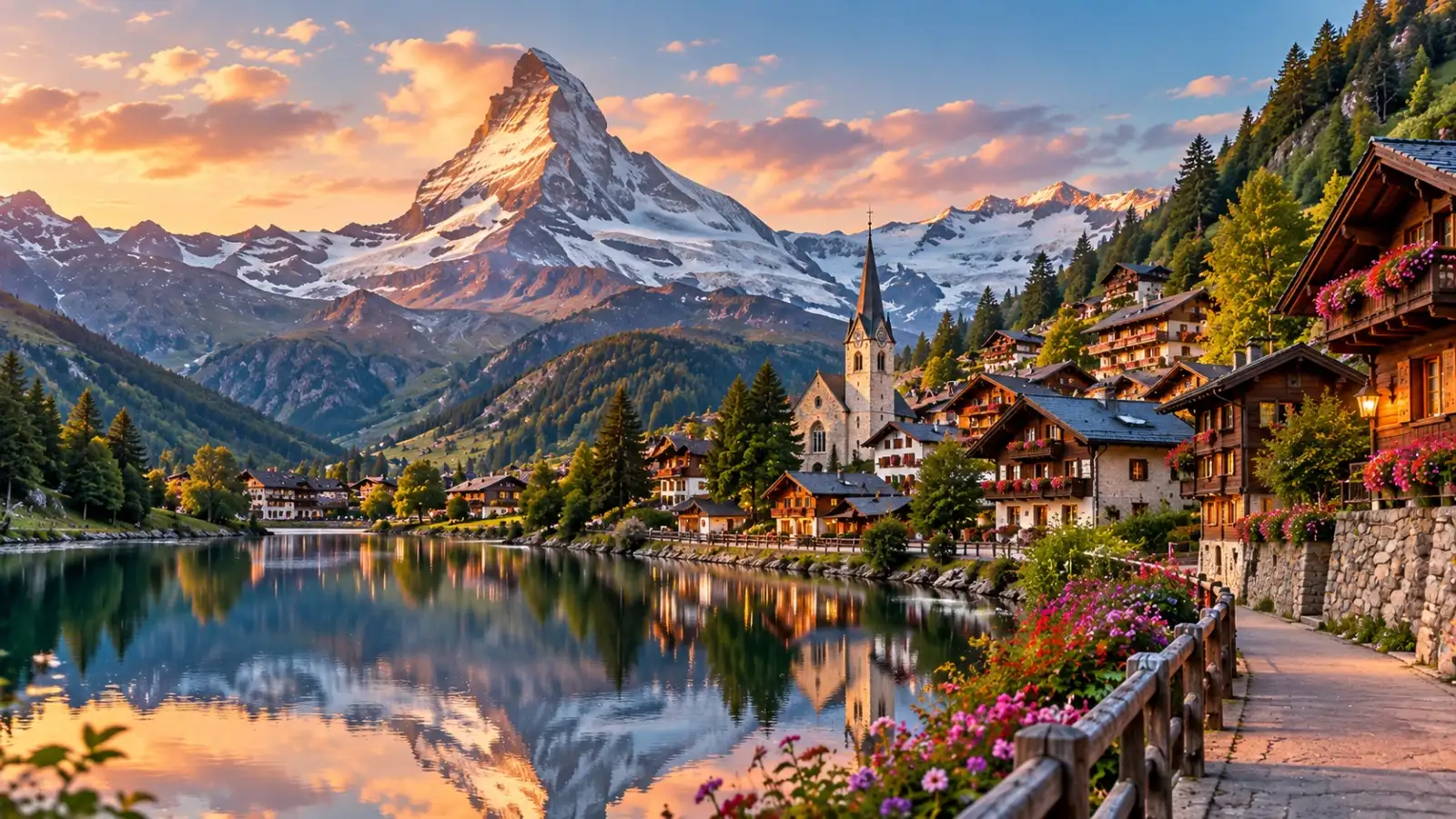
Some mountain towns are famous ski destinations, while others remain relatively quiet settlements where traditional architecture and local life are just as important as the scenery. A few are surrounded by snow-covered peaks for much of the year, while others sit among green alpine meadows, forests or dramatic volcanic landscapes.
From the Swiss Alps and Georgian Caucasus to the Southern Alps of New Zealand and the Japanese mountains, these towns show just how spectacular life can look when the mountains become part of the everyday view.
The towers are particularly striking because they are not simply historic monuments placed around the town. They were once part of the region's traditional defensive system and remain an important visual reminder of Svaneti's distinctive history. The surrounding landscape changes dramatically with the seasons, with green valleys giving way to snow-covered peaks during winter.
Mestia also provides access to the wider Svaneti region, where hiking trails, alpine landscapes and remote villages create a strong sense of adventure. The United Nations World Tourism Organization has highlighted Mestia for its natural landscape, traditional towers, churches, monasteries and cultural heritage.
What makes Mestia especially memorable is the combination of rugged nature and human history. Few mountain towns make their medieval past feel so closely connected to the surrounding landscape.
Zermatt's relationship with the mountains goes far beyond sightseeing. The surrounding region offers hiking, skiing, glacier experiences and panoramic viewpoints throughout the year. The town itself is also notable for being car-free, allowing visitors to explore many areas on foot while small electric vehicles and other transport options handle local movement.
The historic side of Zermatt adds another layer to its appeal. Traditional wooden buildings remain among the newer hotels, restaurants and shops, creating a contrast between an old Alpine village and a sophisticated modern mountain resort. Some of the historic wooden houses are around 500 years old, according to the local tourism organisation.
The result is a town where the Matterhorn is almost impossible to escape. It appears from viewpoints, walking routes and streets around the settlement, constantly reminding visitors that they are deep inside the Alps.
The town has developed into a major base for outdoor activities, including skiing, hiking, mountain biking and other adventure sports. Yet Queenstown is not simply an activity centre. Its lakeside setting, restaurants, historic areas and surrounding vineyards give it a broader appeal for travellers who want scenery without spending every day on a mountain trail.
Nearby Arrowtown adds another historic dimension to the region. Originally associated with gold mining, it retains a distinctive heritage character surrounded by mountains and autumn colours.
Queenstown is therefore unusual among mountain towns because it combines wilderness with a lively urban atmosphere. You can spend the morning looking across an enormous alpine lake and the evening walking through a busy town centre.
Its appeal changes with the seasons. Winter brings skiing and snow-covered landscapes, while summer opens up hiking routes, mountain lifts and viewpoints across the surrounding peaks. The local tourism office promotes activities throughout the year, including hiking, climbing, skiing, museums and other experiences across the valley.
The town itself has a lively atmosphere, with hotels, restaurants, cafes and shops mixed with traditional Alpine architecture. That combination makes Chamonix different from smaller mountain settlements that become extremely quiet outside their main tourist season.
The most impressive part, however, remains the landscape. The mountains appear enormous from the valley floor, making an ordinary walk through town feel like an encounter with one of Europe's great natural environments.
The architecture developed in response to the area's mountainous environment and heavy snowfall. The roofs are designed with a steep angle that helps snow slide away, while the large houses historically supported activities such as silkworm rearing. UNESCO recognises Shirakawa-go and neighbouring Gokayama as World Heritage sites because of their distinctive architecture and traditional settlement patterns.
The landscape changes dramatically throughout the year. Cherry blossoms and green fields transform into autumn colours before winter covers the roofs and surrounding mountains in snow. Japan's official tourism organisation describes the village as a particularly striking mountain settlement and recommends viewing the traditional houses from the Ogimachi observatory.
The beauty of Shirakawa-go comes from the way the buildings and landscape work together. The houses do not appear separate from their surroundings. They look as though they evolved naturally from the environment around them.
The town is framed by enormous peaks, dense forests and glacial landscapes. Nearby lakes, including the famous Lake Louise, add bright blue and turquoise colours to an already dramatic setting.
What makes Banff especially attractive is the immediate connection between town life and wilderness. Hotels, restaurants and shops can be found within the settlement, but major mountain landscapes begin almost immediately outside it. Hiking trails, scenic drives and wildlife viewing opportunities make the surrounding national park an important part of the experience.
During winter, the mountains become a major destination for snow sports, while summer brings hiking, cycling and sightseeing. The result is a mountain town where the landscape remains the main attraction in every season.
The town's compact waterfront creates a striking visual effect. Traditional houses rise behind the lake, while the mountains provide a dramatic backdrop. Small streets, historic buildings and the lakeside setting make Hallstatt look particularly atmospheric in misty or snowy weather.
Its beauty is also closely connected with its history. Hallstatt has a long association with salt production, and the broader region is recognised as a UNESCO World Heritage cultural landscape.
The town's popularity has brought considerable visitor pressure, so travellers increasingly need to approach it with respect for local residents and the surrounding environment. Its appeal is undeniable, but its small size means that responsible tourism matters.
The lake is central to the town's identity. Mountain reflections, walking paths and changing weather create completely different views throughout the day. Beyond the waterfront, the surrounding region offers hiking, skiing and other outdoor activities.
Wānaka's landscape is particularly impressive because of its scale. The lake stretches towards distant mountains, creating a sense of open space that is difficult to find in more enclosed Alpine valleys.
It also works well for travellers who want a mountain destination without the intensity of a major resort. The combination of a small-town atmosphere, large lake and dramatic peaks gives Wānaka its own identity.
Its location has made it an important base for exploring the Swiss Alps. Visitors can travel towards famous mountain destinations, take scenic rail journeys or explore nearby walking routes.
The town itself is more developed than some traditional Alpine villages, with hotels, restaurants, shops and transport connections serving visitors throughout the year. Yet the surrounding mountains prevent it from feeling like an ordinary tourist town.
On clear days, the contrast between green valleys, blue lakes and snow-covered peaks creates the kind of landscape that has made Switzerland famous worldwide.
Its historic identity is linked to silver mining, while its modern reputation developed through winter sports and tourism. That combination has created a town where older architecture sits alongside high-end hotels, restaurants and shops.
Autumn is particularly impressive because the surrounding aspen forests turn brilliant shades of gold. Summer brings hiking and mountain activities, while winter transforms the landscape into a snow-covered resort environment.
Aspen demonstrates how a mountain town can evolve from a resource-based settlement into an international destination without losing its connection to the surrounding landscape.
In Zermatt, the Matterhorn dominates the horizon. In Shirakawa-go, heavy snow helped shape an entire architectural tradition. In Queenstown and Wānaka, enormous lakes become part of the town's identity. In Mestia, historic towers connect modern visitors with centuries of life in the Caucasus.
That is what makes mountain towns different from ordinary scenic destinations. They are places where geography becomes part of daily life.
Whether surrounded by the Alps, Rockies, Caucasus, Himalayas or Southern Alps, these towns show how human settlements can adapt to some of the world's most dramatic landscapes. Their beauty is not only in the mountains themselves, but in the way communities have built lives beneath them.
Some mountain towns are famous ski destinations, while others remain relatively quiet settlements where traditional architecture and local life are just as important as the scenery. A few are surrounded by snow-covered peaks for much of the year, while others sit among green alpine meadows, forests or dramatic volcanic landscapes.
From the Swiss Alps and Georgian Caucasus to the Southern Alps of New Zealand and the Japanese mountains, these towns show just how spectacular life can look when the mountains become part of the everyday view.
Mestia, Georgia Has a Medieval Character Surrounded by the Caucasus
High in Georgia's Svaneti region, Mestia is surrounded by some of the most dramatic landscapes in the Caucasus. The town combines mountain scenery with distinctive medieval defensive towers, stone buildings and traditional Georgian architecture.The towers are particularly striking because they are not simply historic monuments placed around the town. They were once part of the region's traditional defensive system and remain an important visual reminder of Svaneti's distinctive history. The surrounding landscape changes dramatically with the seasons, with green valleys giving way to snow-covered peaks during winter.
Mestia also provides access to the wider Svaneti region, where hiking trails, alpine landscapes and remote villages create a strong sense of adventure. The United Nations World Tourism Organization has highlighted Mestia for its natural landscape, traditional towers, churches, monasteries and cultural heritage.
What makes Mestia especially memorable is the combination of rugged nature and human history. Few mountain towns make their medieval past feel so closely connected to the surrounding landscape.
Zermatt , Switzerland Lives Beneath the Matterhorn
Few mountain towns have a more recognisable backdrop than Zermatt. Located in Switzerland's Valais region, the town sits beneath the Matterhorn, one of the world's most famous mountain peaks.Zermatt's relationship with the mountains goes far beyond sightseeing. The surrounding region offers hiking, skiing, glacier experiences and panoramic viewpoints throughout the year. The town itself is also notable for being car-free, allowing visitors to explore many areas on foot while small electric vehicles and other transport options handle local movement.
The historic side of Zermatt adds another layer to its appeal. Traditional wooden buildings remain among the newer hotels, restaurants and shops, creating a contrast between an old Alpine village and a sophisticated modern mountain resort. Some of the historic wooden houses are around 500 years old, according to the local tourism organisation.
The result is a town where the Matterhorn is almost impossible to escape. It appears from viewpoints, walking routes and streets around the settlement, constantly reminding visitors that they are deep inside the Alps.
Queenstown , New Zealand Combines Mountains With a Huge Alpine Lake
Queenstown is one of the world's best-known adventure towns, but its beauty comes first from its setting. The town sits on the shores of Lake Whakatipu and is surrounded by the Southern Alps, creating a landscape where mountains and water dominate almost every major view.The town has developed into a major base for outdoor activities, including skiing, hiking, mountain biking and other adventure sports. Yet Queenstown is not simply an activity centre. Its lakeside setting, restaurants, historic areas and surrounding vineyards give it a broader appeal for travellers who want scenery without spending every day on a mountain trail.
Nearby Arrowtown adds another historic dimension to the region. Originally associated with gold mining, it retains a distinctive heritage character surrounded by mountains and autumn colours.
Queenstown is therefore unusual among mountain towns because it combines wilderness with a lively urban atmosphere. You can spend the morning looking across an enormous alpine lake and the evening walking through a busy town centre.
Chamonix , France Sits Beneath Mont Blanc
Chamonix is one of the classic mountain towns of Europe, but its spectacular setting still feels extraordinary even after decades of international attention. The town lies in the Chamonix-Mont-Blanc valley beneath the highest peak in the Alps, with enormous mountains rising around the valley.Its appeal changes with the seasons. Winter brings skiing and snow-covered landscapes, while summer opens up hiking routes, mountain lifts and viewpoints across the surrounding peaks. The local tourism office promotes activities throughout the year, including hiking, climbing, skiing, museums and other experiences across the valley.
The town itself has a lively atmosphere, with hotels, restaurants, cafes and shops mixed with traditional Alpine architecture. That combination makes Chamonix different from smaller mountain settlements that become extremely quiet outside their main tourist season.
The most impressive part, however, remains the landscape. The mountains appear enormous from the valley floor, making an ordinary walk through town feel like an encounter with one of Europe's great natural environments.
Shirakawa-go , Japan Looks Like a Mountain Village From Another Era
Shirakawa-go offers a very different interpretation of mountain beauty. Rather than being dominated by luxury resorts or dramatic modern buildings, the settlement is known for traditional gassho-zukuri houses with steeply pitched thatched roofs.The architecture developed in response to the area's mountainous environment and heavy snowfall. The roofs are designed with a steep angle that helps snow slide away, while the large houses historically supported activities such as silkworm rearing. UNESCO recognises Shirakawa-go and neighbouring Gokayama as World Heritage sites because of their distinctive architecture and traditional settlement patterns.
The landscape changes dramatically throughout the year. Cherry blossoms and green fields transform into autumn colours before winter covers the roofs and surrounding mountains in snow. Japan's official tourism organisation describes the village as a particularly striking mountain settlement and recommends viewing the traditional houses from the Ogimachi observatory.
The beauty of Shirakawa-go comes from the way the buildings and landscape work together. The houses do not appear separate from their surroundings. They look as though they evolved naturally from the environment around them.
Banff, Canada Has a National Park as Its Backyard
Banff is one of the most recognisable mountain towns in Canada, largely because it sits inside Banff National Park and is surrounded by the Canadian Rockies.The town is framed by enormous peaks, dense forests and glacial landscapes. Nearby lakes, including the famous Lake Louise, add bright blue and turquoise colours to an already dramatic setting.
What makes Banff especially attractive is the immediate connection between town life and wilderness. Hotels, restaurants and shops can be found within the settlement, but major mountain landscapes begin almost immediately outside it. Hiking trails, scenic drives and wildlife viewing opportunities make the surrounding national park an important part of the experience.
During winter, the mountains become a major destination for snow sports, while summer brings hiking, cycling and sightseeing. The result is a mountain town where the landscape remains the main attraction in every season.
Hallstatt, Austria Sits Between a Lake and the Mountains
Hallstatt has become one of Europe's most photographed small towns because of its unusual setting. Historic buildings are packed between the steep slopes of the Dachstein mountains and the calm waters of Lake Hallstatt.The town's compact waterfront creates a striking visual effect. Traditional houses rise behind the lake, while the mountains provide a dramatic backdrop. Small streets, historic buildings and the lakeside setting make Hallstatt look particularly atmospheric in misty or snowy weather.
Its beauty is also closely connected with its history. Hallstatt has a long association with salt production, and the broader region is recognised as a UNESCO World Heritage cultural landscape.
The town's popularity has brought considerable visitor pressure, so travellers increasingly need to approach it with respect for local residents and the surrounding environment. Its appeal is undeniable, but its small size means that responsible tourism matters.
Wānaka, New Zealand Offers a Quieter Alternative to the Alpine Resort
Not far from Queenstown, Wānaka has a more relaxed atmosphere while offering equally impressive mountain scenery. The town sits beside Lake Wānaka, with the Southern Alps rising beyond the water.The lake is central to the town's identity. Mountain reflections, walking paths and changing weather create completely different views throughout the day. Beyond the waterfront, the surrounding region offers hiking, skiing and other outdoor activities.
Wānaka's landscape is particularly impressive because of its scale. The lake stretches towards distant mountains, creating a sense of open space that is difficult to find in more enclosed Alpine valleys.
It also works well for travellers who want a mountain destination without the intensity of a major resort. The combination of a small-town atmosphere, large lake and dramatic peaks gives Wānaka its own identity.
Interlaken, Switzerland Is Surrounded by Water and Mountains
Interlaken occupies an unusual position between Lake Thun and Lake Brienz, with the Bernese Alps rising around the region. The town therefore has access to both lake landscapes and high mountain scenery.Its location has made it an important base for exploring the Swiss Alps. Visitors can travel towards famous mountain destinations, take scenic rail journeys or explore nearby walking routes.
The town itself is more developed than some traditional Alpine villages, with hotels, restaurants, shops and transport connections serving visitors throughout the year. Yet the surrounding mountains prevent it from feeling like an ordinary tourist town.
On clear days, the contrast between green valleys, blue lakes and snow-covered peaks creates the kind of landscape that has made Switzerland famous worldwide.
Aspen, United States Blends Mountain Scenery With Historic Charm
Aspen in Colorado is widely known as a winter destination, but its appeal extends well beyond skiing. The town sits in the Rocky Mountains and is surrounded by steep peaks, forests and alpine landscapes.Its historic identity is linked to silver mining, while its modern reputation developed through winter sports and tourism. That combination has created a town where older architecture sits alongside high-end hotels, restaurants and shops.
Autumn is particularly impressive because the surrounding aspen forests turn brilliant shades of gold. Summer brings hiking and mountain activities, while winter transforms the landscape into a snow-covered resort environment.
Aspen demonstrates how a mountain town can evolve from a resource-based settlement into an international destination without losing its connection to the surrounding landscape.
Why Mountain Towns Are So Captivating
The most beautiful mountain towns tend to have one thing in common. Their surroundings are not simply scenery placed behind the town. Mountains influence the architecture, climate, transport, food, outdoor activities and even the pace of everyday life.In Zermatt, the Matterhorn dominates the horizon. In Shirakawa-go, heavy snow helped shape an entire architectural tradition. In Queenstown and Wānaka, enormous lakes become part of the town's identity. In Mestia, historic towers connect modern visitors with centuries of life in the Caucasus.
That is what makes mountain towns different from ordinary scenic destinations. They are places where geography becomes part of daily life.
Whether surrounded by the Alps, Rockies, Caucasus, Himalayas or Southern Alps, these towns show how human settlements can adapt to some of the world's most dramatic landscapes. Their beauty is not only in the mountains themselves, but in the way communities have built lives beneath them.
Next Story