
The World's Most Photographed Natural Wonders

Some natural landscapes are so recognisable that a single photograph can immediately reveal where it was taken. From enormous waterfalls and towering mountains to colourful lakes and vast deserts, these places have become favourite subjects for photographers and travellers from around the world.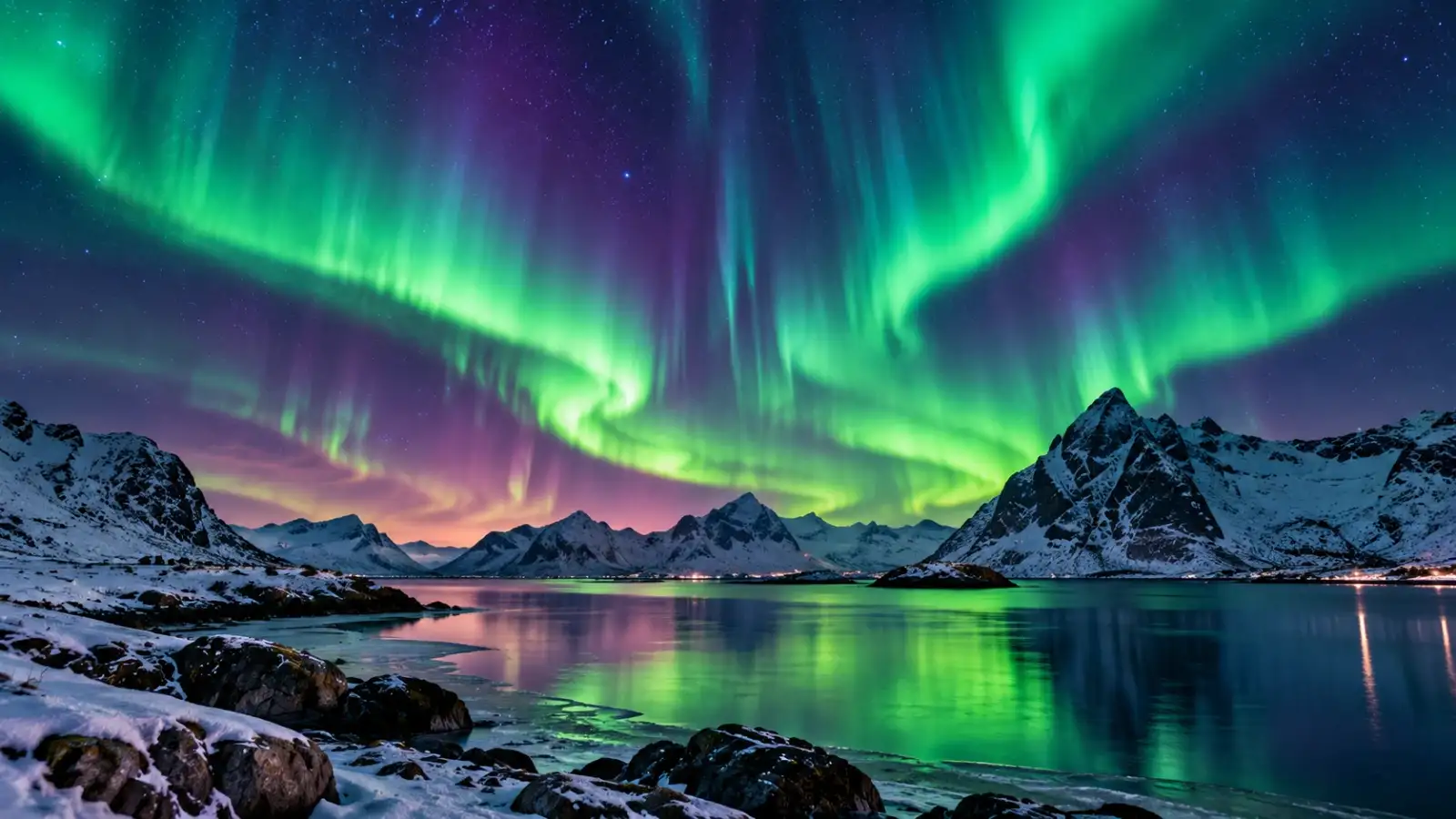
Their popularity is not only about their beauty. Changing weather, seasonal colours, reflections, wildlife and unusual geological formations can make the same landscape look completely different from one visit to another.
Here are 10 natural wonders that are among the world's most visually striking landscapes to photograph.
Sunrise and sunset can dramatically change the appearance of the canyon walls as light moves across the landscape. Different viewpoints also reveal completely different perspectives of its depth and scale.
The South Rim is particularly accessible and offers numerous established viewpoints.
The landscape can look dramatically different depending on the season. During periods of greater flow, mist can rise above the falls, while lower water levels can reveal more of the underlying rock formations.
The falls can be viewed from both Zambia and Zimbabwe, although conditions and viewpoints vary.
Photographers visiting the Everest region can capture the mountain from different viewpoints, with surrounding peaks adding scale to the landscape.
The mountain looks different depending on weather, season and time of day. Clear mornings can provide particularly striking views, although mountain conditions are unpredictable.
Its coral formations, marine life and changing shades of blue provide opportunities for underwater photography as well as aerial views of reefs and islands.
Visibility varies according to location and weather conditions, while marine ecosystems can change considerably between different parts of the reef.
They can be seen in high-latitude regions including parts of Norway, Finland, Sweden, Iceland, Canada and Alaska when conditions are suitable.
The colours and shapes of the aurora constantly change, meaning no two displays are exactly alike. Clear skies and sufficient darkness are essential, while solar activity influences the strength of the display.
During the wet season, a thin layer of water can cover parts of the salt flat and create a mirror-like surface. The horizon can become difficult to distinguish, producing striking reflection photographs.
During the dry season, the salt crust reveals its distinctive geometric patterns.
The fjord can look particularly atmospheric during rainy weather, when temporary waterfalls appear along the cliffs.
Boat cruises provide opportunities to photograph the mountains and waterfalls from the water, while changing cloud conditions can add depth to the landscape.
Light entering the canyon can produce changing colours and patterns across the rock surfaces. The appearance varies according to the time of day and season.
Access is controlled, and visitors generally need to follow local tour arrangements because of the canyon's environment and safety requirements.
The combination of calm water, steep rock formations and changing atmospheric conditions makes it a popular subject for landscape photography.
Boat trips provide some of the best opportunities to experience the formations from different angles. Early morning mist can create a particularly atmospheric appearance when conditions are suitable.
The enormous scale of the falls makes it possible to photograph them from different viewpoints on either side of the border. Walkways provide close perspectives, while wider viewpoints reveal the overall scale of the waterfall system.
Water levels can affect the appearance of individual falls, making the landscape different at different times of year.
Mountains can disappear behind clouds, waterfalls can become more powerful after rain and deserts can change colour as the sun moves across the sky.
This unpredictability is one reason natural photography remains so appealing. A familiar landscape can produce a completely different image depending on when and how it is photographed.
Early morning and late afternoon generally provide softer natural light, while sunrise can be particularly useful for avoiding crowds at popular viewpoints.
Weather should also be considered. Mist, clouds and rain can sometimes make a landscape more atmospheric, although extreme weather can make some locations unsafe.
For phenomena such as the northern lights, darkness and solar conditions are more important than conventional golden-hour photography.
Drone use is also regulated in many protected areas and countries, so permissions should be checked before flying.
The best photograph should never come at the expense of the landscape being photographed. Responsible travel helps ensure these places remain accessible and beautiful for future visitors.
Standing beside a waterfall, looking across a vast salt flat or watching mountains emerge through clouds can be very different from seeing the same scene on a screen.
From the Grand Canyon and Victoria Falls to the northern lights and Milford Sound, these natural wonders offer far more than photographic opportunities. They provide experiences that can make the journey itself as memorable as the final image.
Their popularity is not only about their beauty. Changing weather, seasonal colours, reflections, wildlife and unusual geological formations can make the same landscape look completely different from one visit to another.
Here are 10 natural wonders that are among the world's most visually striking landscapes to photograph.
Grand Canyon , United States
The Grand Canyon is one of the world's most recognisable geological landscapes. Its enormous scale, layered rock formations and winding Colorado River create countless opportunities for photography.Sunrise and sunset can dramatically change the appearance of the canyon walls as light moves across the landscape. Different viewpoints also reveal completely different perspectives of its depth and scale.
The South Rim is particularly accessible and offers numerous established viewpoints.
Victoria Falls , Zambia and Zimbabwe
Victoria Falls is one of Africa's most spectacular natural attractions. The Zambezi River plunges over a wide series of cliffs, creating enormous volumes of spray during periods of high water.The landscape can look dramatically different depending on the season. During periods of greater flow, mist can rise above the falls, while lower water levels can reveal more of the underlying rock formations.
The falls can be viewed from both Zambia and Zimbabwe, although conditions and viewpoints vary.
Mount Everest , Nepal and China
Mount Everest has become one of the most photographed mountains on Earth because of its enormous height and iconic Himalayan setting.Photographers visiting the Everest region can capture the mountain from different viewpoints, with surrounding peaks adding scale to the landscape.
The mountain looks different depending on weather, season and time of day. Clear mornings can provide particularly striking views, although mountain conditions are unpredictable.
Great Barrier Reef , Australia
The Great Barrier Reef offers a completely different photographic environment beneath the surface of the ocean.Its coral formations, marine life and changing shades of blue provide opportunities for underwater photography as well as aerial views of reefs and islands.
Visibility varies according to location and weather conditions, while marine ecosystems can change considerably between different parts of the reef.
Northern Lights , Arctic Regions
The northern lights are among the world's most sought-after natural photographic subjects.They can be seen in high-latitude regions including parts of Norway, Finland, Sweden, Iceland, Canada and Alaska when conditions are suitable.
The colours and shapes of the aurora constantly change, meaning no two displays are exactly alike. Clear skies and sufficient darkness are essential, while solar activity influences the strength of the display.
Salar de Uyuni , Bolivia
Salar de Uyuni is the world's largest salt flat and creates some of the most unusual landscapes for photography.During the wet season, a thin layer of water can cover parts of the salt flat and create a mirror-like surface. The horizon can become difficult to distinguish, producing striking reflection photographs.
During the dry season, the salt crust reveals its distinctive geometric patterns.
Milford Sound, New Zealand
Milford Sound is surrounded by steep mountains, waterfalls and dense vegetation, creating a dramatic landscape on New Zealand's South Island.The fjord can look particularly atmospheric during rainy weather, when temporary waterfalls appear along the cliffs.
Boat cruises provide opportunities to photograph the mountains and waterfalls from the water, while changing cloud conditions can add depth to the landscape.
Antelope Canyon, United States
Antelope Canyon in Arizona is famous for its narrow sandstone walls and flowing shapes created by erosion.Light entering the canyon can produce changing colours and patterns across the rock surfaces. The appearance varies according to the time of day and season.
Access is controlled, and visitors generally need to follow local tour arrangements because of the canyon's environment and safety requirements.
Ha Long Bay, Vietnam
Ha Long Bay is known for its thousands of limestone islands and karst formations rising from the sea.The combination of calm water, steep rock formations and changing atmospheric conditions makes it a popular subject for landscape photography.
Boat trips provide some of the best opportunities to experience the formations from different angles. Early morning mist can create a particularly atmospheric appearance when conditions are suitable.
Iguazu Falls, Argentina and Brazil
Iguazu Falls stretches across the border between Argentina and Brazil and consists of an extensive system of waterfalls surrounded by subtropical forest.The enormous scale of the falls makes it possible to photograph them from different viewpoints on either side of the border. Walkways provide close perspectives, while wider viewpoints reveal the overall scale of the waterfall system.
Water levels can affect the appearance of individual falls, making the landscape different at different times of year.
Why Natural Wonders Are So Photogenic
Natural landscapes are constantly changing. Light, weather, seasons and water levels can transform the same location within hours.Mountains can disappear behind clouds, waterfalls can become more powerful after rain and deserts can change colour as the sun moves across the sky.
This unpredictability is one reason natural photography remains so appealing. A familiar landscape can produce a completely different image depending on when and how it is photographed.
Best Times to Photograph Natural Landscapes
The ideal time depends on the destination.Early morning and late afternoon generally provide softer natural light, while sunrise can be particularly useful for avoiding crowds at popular viewpoints.
Weather should also be considered. Mist, clouds and rain can sometimes make a landscape more atmospheric, although extreme weather can make some locations unsafe.
For phenomena such as the northern lights, darkness and solar conditions are more important than conventional golden-hour photography.
Photographing Nature Responsibly
Popular natural attractions can be environmentally sensitive. Travellers should follow marked paths, avoid disturbing wildlife and respect local restrictions.Drone use is also regulated in many protected areas and countries, so permissions should be checked before flying.
The best photograph should never come at the expense of the landscape being photographed. Responsible travel helps ensure these places remain accessible and beautiful for future visitors.
Landscapes Worth Experiencing Beyond the Camera
Photographs can capture the appearance of a natural wonder, but they rarely communicate its full scale or atmosphere.Standing beside a waterfall, looking across a vast salt flat or watching mountains emerge through clouds can be very different from seeing the same scene on a screen.
From the Grand Canyon and Victoria Falls to the northern lights and Milford Sound, these natural wonders offer far more than photographic opportunities. They provide experiences that can make the journey itself as memorable as the final image.
Next Story