
World’s Most Populated Cities in 2026: Where Do Delhi and Mumbai Rank?

World’s most populated cities in 2026 are witnessing dramatic growth, especially across Asia. Among these giants, Delhi and Mumbai stand tall as two of India’s busiest metropolises. This population surge is mainly driven by migration from rural areas in search of better jobs, education, healthcare, and improved lifestyles. While this growth fuels economic progress, it also brings challenges like overcrowding, pollution, and housing shortages.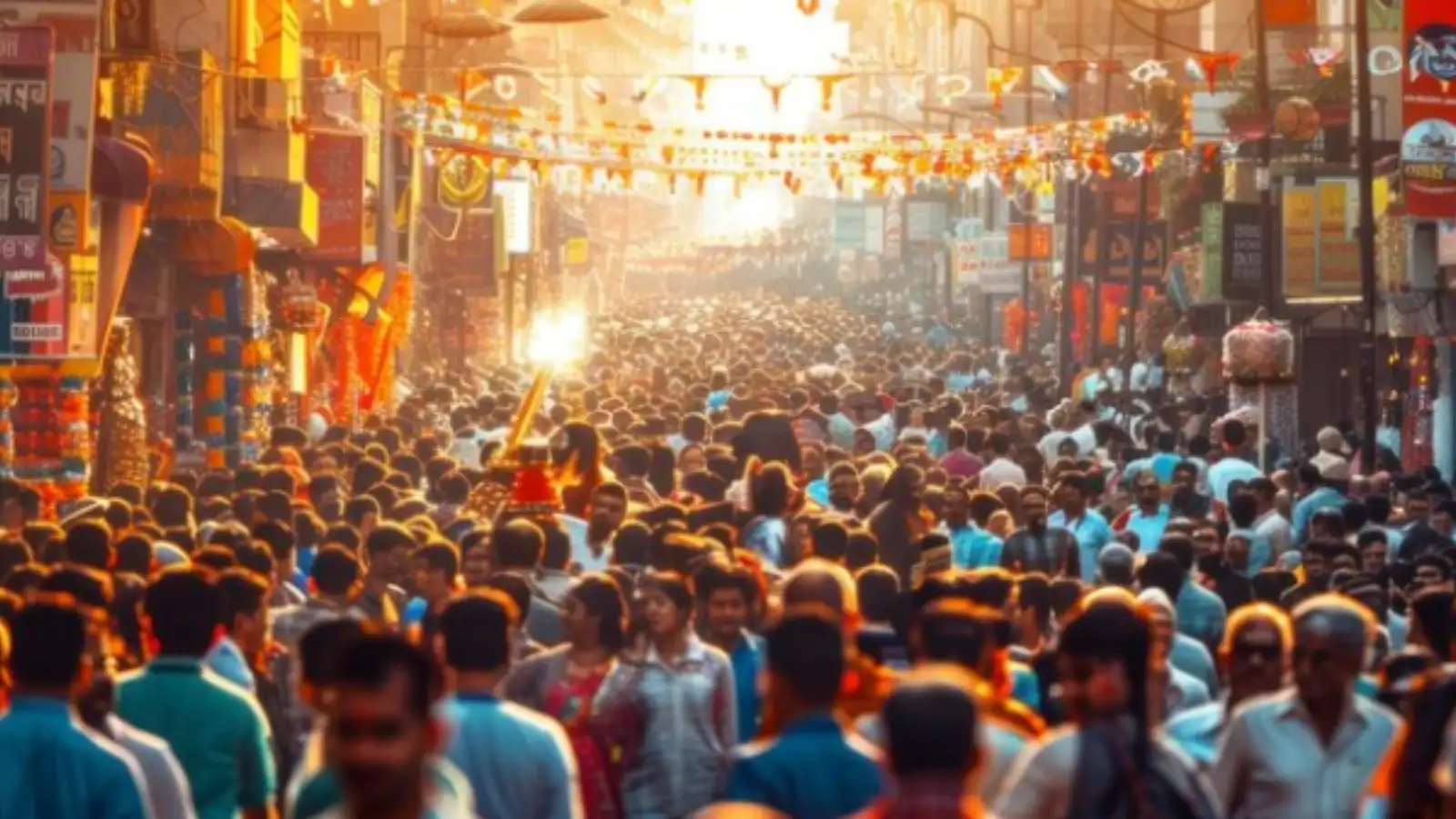
Let’s dive into the largest urban hubs shaping the future of our planet.
Let’s dive into the largest urban hubs shaping the future of our planet.
Jakarta: Asia’s Largest Metropolis
Topping the list is Jakarta, Indonesia’s vibrant capital, home to around 42 million people. Its status as the country’s economic heart attracts massive rural-to-urban migration, alongside a high birth rate, making it the world’s most populous city in 2026.Dhaka: Rapid Urban Expansion
Bangladesh’s Dhaka follows closely, with a population nearing 40 million. The city’s growth is propelled by people moving from rural regions due to limited employment opportunities outside the city. Dhaka remains the nation’s key center for education and jobs.Tokyo: The Global Megacity
Japan’s capital, Tokyo, houses about 37 million residents. Despite Japan’s aging population, Tokyo thrives because of its political importance, efficient public transport, and strong job market, making it one of the most densely populated cities worldwide.Delhi: India’s Expanding Capital
Delhi is growing fast, expected to reach 35 million people in 2026. Migration from nearby states, government jobs, and educational institutions are major factors behind this growth. The larger National Capital Region, which includes surrounding towns, further boosts the population figures.Shanghai: China’s Economic Powerhouse
Shanghai’s population of roughly 29 to 30 million is driven by its status as a global financial center. Its modern infrastructure and job opportunities attract people from across China seeking better living standards.Sao Paulo: South America’s Economic Hub
With around 23 million people, Sao Paulo stands as the largest city in Brazil and South America. Its strong economy and diverse industries continue to draw people from all over the region.Mexico City: Urban Sprawl and Growth
Mexico City, home to about 22.75 million residents, has expanded by merging nearby towns into one massive urban area. Industrial growth and infrastructure development have contributed to its population increase.Cairo: Cultural and Historical Center
Egypt’s capital, Cairo, with approximately 22.9 million inhabitants, grows due to urbanization and its strategic location. It serves as a cultural, political, and economic hub, merging with surrounding areas into a vast metropolitan region.Mumbai: The City of Dreams
Mumbai’s population is projected to be around 22.8 million in 2026. Known as India’s financial and entertainment capital, it attracts millions seeking opportunities in finance, Bollywood, trade, and industries. However, land scarcity and constant migration lead to one of the highest population densities worldwide.Beijing: China’s Political Heart
Beijing, China’s capital, is home to about 22.6 million people. Its rapid modernization, combined with political and cultural significance, draws residents nationwide, blending ancient traditions with a fast-paced modern lifestyle.Managing the World’s Largest Cities
The world’s most populated cities in 2026 underscore the accelerating trend of urban growth. Cities like Delhi and Mumbai highlight both the opportunities and challenges megacities face today. Addressing infrastructure, housing, and environmental issues will be essential to ensure these bustling metropolises remain livable and prosperous in the years ahead.Next Story