
Zero-Waste Coconut Guide: How To Use Every Part Of A Coconut For Sustainable Living

The coconut tree is often called the tree of life, and for good reason—every single part of it serves a purpose. From the refreshing water inside to the sturdy outer shell, coconuts are nature’s gift to a zero-waste lifestyle. Here's how you can make the most of every part of a coconut in sustainable and practical ways: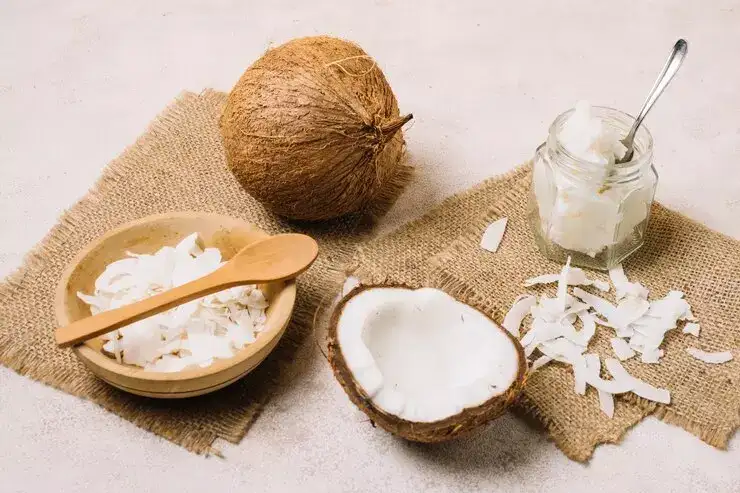
1. Coconut Water – Natural Hydration Boost
Coconut water is a hydrating drink rich in electrolytes and low in calories, making it an excellent natural replacement for sports drinks. Don’t pour the leftover water down the drain—use it in:
2. Coconut Flesh – Nutritious and Multi-Use
The white coconut meat is high in healthy fats, fiber, and nutrients. Here’s how to use it:
3. Coconut Oil – A Multi-Purpose Marvel
Extracted from the flesh, coconut oil is incredibly versatile:
4. Coconut Shell – Craft and Functional Uses
Instead of discarding the hard shell, turn it into something useful:
5. Coconut Husk – An Eco-Friendly Fiber
The rough coir or husk has many sustainable applications:
6. Coconut Leaves and Trunk – Resourceful and Renewable
The rest of the tree is just as useful:
The coconut truly supports a zero-waste, sustainable lifestyle. By reusing every part—from water and meat to the shell and husk—you reduce waste, help the environment, and embrace more eco-friendly living. So next time you enjoy a coconut, think of all the creative and practical ways to reuse it!
1. Coconut Water – Natural Hydration Boost
Coconut water is a hydrating drink rich in electrolytes and low in calories, making it an excellent natural replacement for sports drinks. Don’t pour the leftover water down the drain—use it in:
- Smoothies
- Tropical beverages
- Soups or stews for subtle sweetness
2. Coconut Flesh – Nutritious and Multi-Use
The white coconut meat is high in healthy fats, fiber, and nutrients. Here’s how to use it:
- Eat Raw: Slice and eat directly as a snack.
- Make Coconut Milk & Cream: Blend grated coconut with water and strain for rich milk or cream.
- Coconut Flour: Dry and grind the flesh to make gluten-free flour.
- Desiccated Coconut: Use it in baking, granola, or desserts.
3. Coconut Oil – A Multi-Purpose Marvel
Extracted from the flesh, coconut oil is incredibly versatile:
- Cooking: A healthy substitute for refined oils
- Skincare: Works as a natural moisturizer
- Hair Care: Conditions and promotes hair growth
- Healing: Contains antibacterial and antifungal properties
4. Coconut Shell – Craft and Functional Uses
Instead of discarding the hard shell, turn it into something useful:
- Utensils: Create eco-friendly bowls or cups
- Charcoal: Burn the shell for natural charcoal
- Home Decor: Make candle holders, jewelry, or art pieces
5. Coconut Husk – An Eco-Friendly Fiber
The rough coir or husk has many sustainable applications:
- Coir Mats & Brushes: Durable and biodegradable
- Composting: Acts as a soil conditioner
- Ropes & Baskets: Ideal for handmade crafts and accessories
6. Coconut Leaves and Trunk – Resourceful and Renewable
The rest of the tree is just as useful:
- Weaving: Leaves are used to make mats, baskets, or roofing
- Fuel: Dried leaves and the trunk make good firewood
- Furniture & Decor: Coconut wood is strong and ideal for crafting furniture or decor items
The coconut truly supports a zero-waste, sustainable lifestyle. By reusing every part—from water and meat to the shell and husk—you reduce waste, help the environment, and embrace more eco-friendly living. So next time you enjoy a coconut, think of all the creative and practical ways to reuse it!
Next Story