
Zero Waste Gardening: Fertilizers From Everyday Kitchen Items

Why throw away what can nourish your garden? Your kitchen holds the secret to lush plants and fertile soil. From fruit peels to coffee grounds, everyday scraps can be transformed into powerful, organic fertilizers—naturally boosting plant growth without harsh chemicals.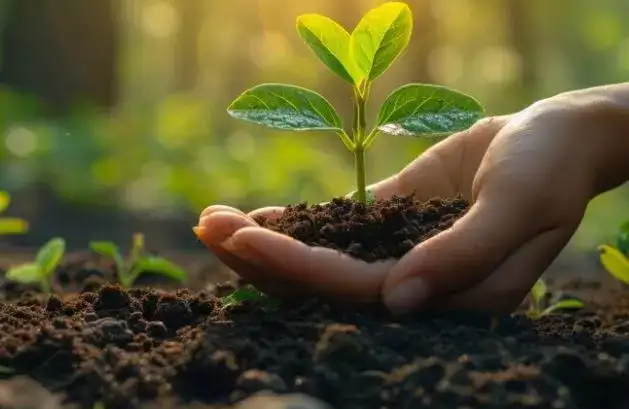
1. Banana Peels – A Potassium Punch
Banana peels are rich in potassium, phosphorus, and calcium. Simply chop them into small pieces and bury them near plant roots or soak in water for 2-3 days to create a potassium-rich liquid fertilizer.
2. Eggshells – The Calcium Booster
Don’t toss your eggshells! Rinse, dry, and crush them to add calcium to the soil, which helps strengthen plant cell walls. Ideal for tomatoes, peppers, and eggplants to prevent blossom end rot.
3. Coffee Grounds – Acid-Loving Plant Treat
Used coffee grounds are nitrogen-rich and slightly acidic, perfect for roses, azaleas, and blueberries. Sprinkle directly on the soil or mix into compost for a slow nutrient release.
4. Vegetable Scraps – Compost Magic
Instead of binning carrot tops and onion peels, collect them in a compost bin. Over time, these scraps break down into nutrient-rich humus, improving soil structure and fertility.
5. Tea Leaves – A Gentle Nourishment
Used tea leaves contain nitrogen and improve soil texture. Scatter around plants or steep them in water overnight to make a mild, organic fertilizer tea.
6. Rice Water – Root Enhancer
Don’t pour away that milky water after rinsing rice. It’s full of nutrients like starch, which promotes beneficial soil microbes and root health. Use it to water plants weekly.
7. Citrus Peels – Pest-Repelling Fertilizer
Citrus peels decompose slowly but offer phosphorus and repel pests like ants and aphids. Dry and crush them to sprinkle around plants or compost them for long-term benefit.
8. Onion Peels – Disease-Resistant Tonic
Soak onion peels in water for a few days to make a nutrient-dense tonic. This peel water can boost plant immunity and deter fungal infections when used as a foliar spray.
9. Leftover Cooking Water – A Liquid Elixir
Water used to boil veggies or pasta (unsalted!) contains leached nutrients. Cool it and use it to water your plants—an easy way to recycle goodness from the kitchen.
10. Spoiled Milk – Calcium-Rich Fertilizer
Even slightly spoiled milk can help your garden. Dilute it with water in a 1:4 ratio and pour around calcium-loving plants to strengthen their growth and improve yield.
Your kitchen waste doesn’t belong in the trash—it belongs in your garden. With just a little effort, you can turn scraps into a sustainable source of nourishment for your plants. It’s eco-friendly, cost-effective, and surprisingly rewarding!
1. Banana Peels – A Potassium Punch
Banana peels are rich in potassium, phosphorus, and calcium. Simply chop them into small pieces and bury them near plant roots or soak in water for 2-3 days to create a potassium-rich liquid fertilizer.
2. Eggshells – The Calcium Booster
Don’t toss your eggshells! Rinse, dry, and crush them to add calcium to the soil, which helps strengthen plant cell walls. Ideal for tomatoes, peppers, and eggplants to prevent blossom end rot.
3. Coffee Grounds – Acid-Loving Plant Treat
Used coffee grounds are nitrogen-rich and slightly acidic, perfect for roses, azaleas, and blueberries. Sprinkle directly on the soil or mix into compost for a slow nutrient release.
4. Vegetable Scraps – Compost Magic
Instead of binning carrot tops and onion peels, collect them in a compost bin. Over time, these scraps break down into nutrient-rich humus, improving soil structure and fertility.
You may also like
- Why your child talks to toys, stuffed animals or imaginary friends: When it is normal and when parents should pay attention
- Quote of the day by Helen Keller: “Life is either a daring adventure or nothing”; the travel lesson from a woman who travelled across 35 countries without sight or sound
- At 92, Hyderabad gynaecologist Dr Suri Srimathi still performs surgeries after six decades in medicine: 'We cannot refuse to treat people when they need help', she says
- How Will the Mumbai-Ahmedabad Bullet Train Stop Safely at 320 km/h During an Earthquake?
- Kitchen Cleaning Tips: How to clean the gap between the gas stove and the stove? Note this 1 trick.
5. Tea Leaves – A Gentle Nourishment
Used tea leaves contain nitrogen and improve soil texture. Scatter around plants or steep them in water overnight to make a mild, organic fertilizer tea.
6. Rice Water – Root Enhancer
Don’t pour away that milky water after rinsing rice. It’s full of nutrients like starch, which promotes beneficial soil microbes and root health. Use it to water plants weekly.
7. Citrus Peels – Pest-Repelling Fertilizer
Citrus peels decompose slowly but offer phosphorus and repel pests like ants and aphids. Dry and crush them to sprinkle around plants or compost them for long-term benefit.
8. Onion Peels – Disease-Resistant Tonic
Soak onion peels in water for a few days to make a nutrient-dense tonic. This peel water can boost plant immunity and deter fungal infections when used as a foliar spray.
9. Leftover Cooking Water – A Liquid Elixir
Water used to boil veggies or pasta (unsalted!) contains leached nutrients. Cool it and use it to water your plants—an easy way to recycle goodness from the kitchen.
10. Spoiled Milk – Calcium-Rich Fertilizer
Even slightly spoiled milk can help your garden. Dilute it with water in a 1:4 ratio and pour around calcium-loving plants to strengthen their growth and improve yield.
Your kitchen waste doesn’t belong in the trash—it belongs in your garden. With just a little effort, you can turn scraps into a sustainable source of nourishment for your plants. It’s eco-friendly, cost-effective, and surprisingly rewarding!






Loving Newspoint? Download the app now
