
ZZ Plant Care Guide: How to Grow This Low-Maintenance Indoor Plant

The ZZ plant, scientifically known as Zamioculcas zamiifolia, is a popular indoor plant recognised for its upright stems and glossy, dark green leaves. It is often recommended to beginners because it can tolerate periods of neglect better than many delicate houseplants.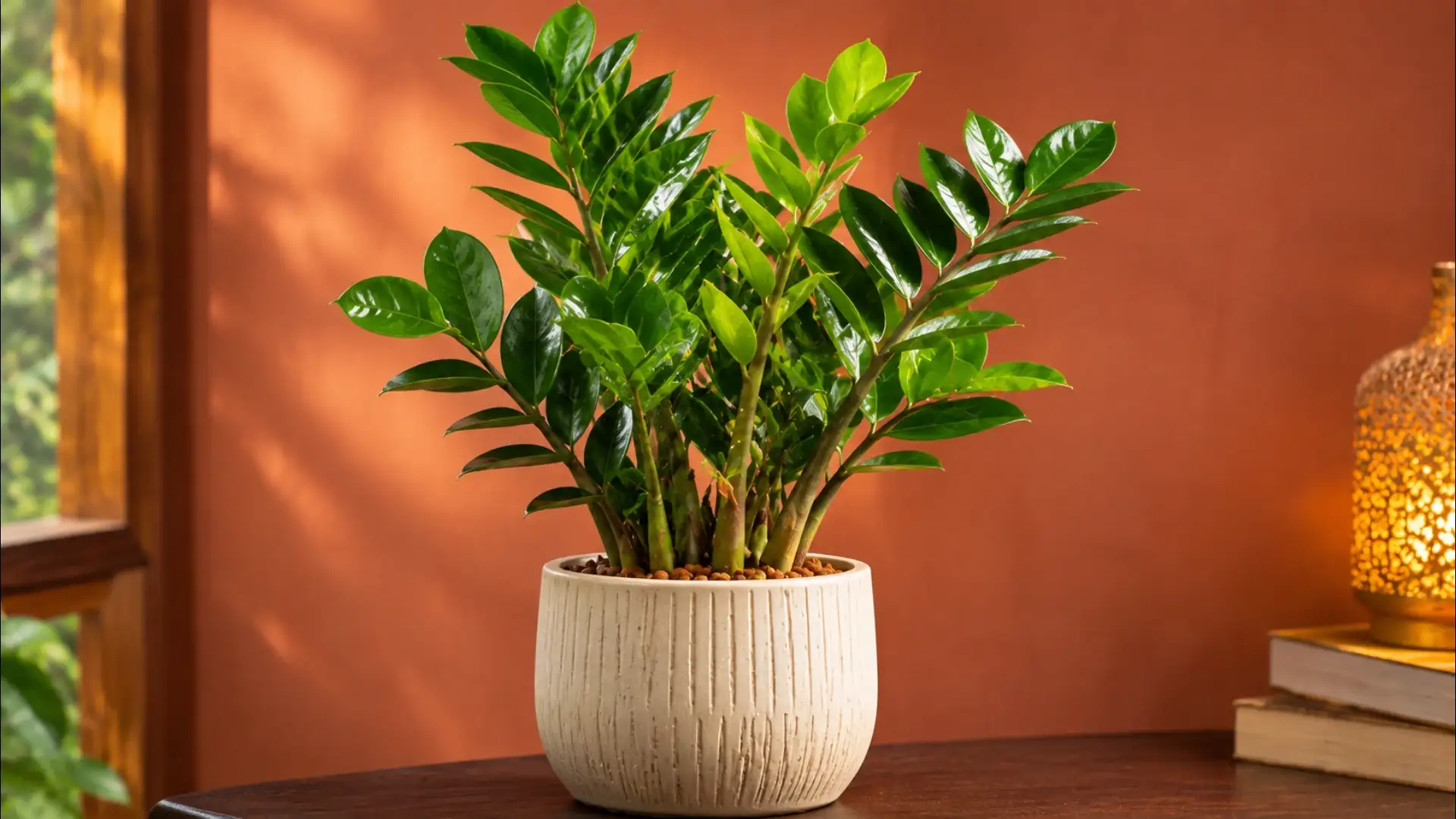
The plant stores water in thick underground rhizomes, which helps it cope with dry spells. However, this does not mean it can be left without care indefinitely. Suitable light, well-draining soil and careful watering help it remain healthy.
Although it can survive in a dim corner, growth may be slower there. Rotating the pot occasionally can help the plant receive light more evenly.
Check the soil before watering. If the upper layer is dry, inspect further down to make sure the potting mix is not still wet. Water thoroughly when needed and allow excess water to drain away.
Never leave the pot standing in a tray filled with water. Constantly wet soil can cause the rhizomes and roots to rot.
The container should not be much larger than the root system. Oversized pots hold more soil and can remain wet for longer.
Remove yellowing or damaged stems with clean pruning tools.
The plant is considered toxic if ingested and may cause irritation. Keep it away from children and pets who may chew its leaves or stems. Wash hands after handling the plant, particularly when pruning or dividing it.
With moderate light and careful watering, a ZZ plant can remain an attractive part of an indoor collection for many years.
The plant stores water in thick underground rhizomes, which helps it cope with dry spells. However, this does not mean it can be left without care indefinitely. Suitable light, well-draining soil and careful watering help it remain healthy.
Choose the Right Location
ZZ plants grow well in bright, indirect light but can also tolerate lower-light conditions. A spot near a window with filtered sunlight is generally suitable. Avoid placing the plant in harsh afternoon sunlight, as prolonged exposure can scorch its leaves.Although it can survive in a dim corner, growth may be slower there. Rotating the pot occasionally can help the plant receive light more evenly.
Water Only When Needed
Overwatering is one of the most common problems with ZZ plants. Its underground rhizomes hold moisture, so the plant does not need frequent watering.You may also like
- Hair Mineral Analysis: Why Dermatologists Don't Use It
- Trichoscopy: What a Dermatologist Sees That a Mirror Cannot
- Black Friday shopping: Can you trust AI for the best deals?
- Pregnancy Alert: These Common Mistakes May Increase the Risk of Premature Delivery, Warns Gynecologist
- 'I wanted to audition for my biopic, but they refused!'
Check the soil before watering. If the upper layer is dry, inspect further down to make sure the potting mix is not still wet. Water thoroughly when needed and allow excess water to drain away.
Never leave the pot standing in a tray filled with water. Constantly wet soil can cause the rhizomes and roots to rot.
Use Well-Draining Soil
A loose potting mix that drains easily is important. A standard indoor potting mix amended with perlite or coarse material can improve drainage. Choose a pot with drainage holes so that excess water can escape.The container should not be much larger than the root system. Oversized pots hold more soil and can remain wet for longer.
Clean the Leaves
Dust can collect on the broad leaf surfaces and reduce their natural shine. Wipe the leaves gently with a soft, damp cloth. Avoid applying commercial leaf-shine products unless they are specifically suitable for the plant.Remove yellowing or damaged stems with clean pruning tools.
Repotting and Safety
ZZ plants generally do not need frequent repotting. Consider moving the plant to a slightly larger pot when the rhizomes become crowded or roots begin emerging through the drainage holes.The plant is considered toxic if ingested and may cause irritation. Keep it away from children and pets who may chew its leaves or stems. Wash hands after handling the plant, particularly when pruning or dividing it.
With moderate light and careful watering, a ZZ plant can remain an attractive part of an indoor collection for many years.






Loving Newspoint? Download the app now
