
Pappu Yadav’s Remark Sparks Outrage. But The Problem Runs Deeper

Every now and then, a political remark goes beyond controversy and starts a larger conversation. That is what happened when Pappu Yadav made his recent comment about women entering politics.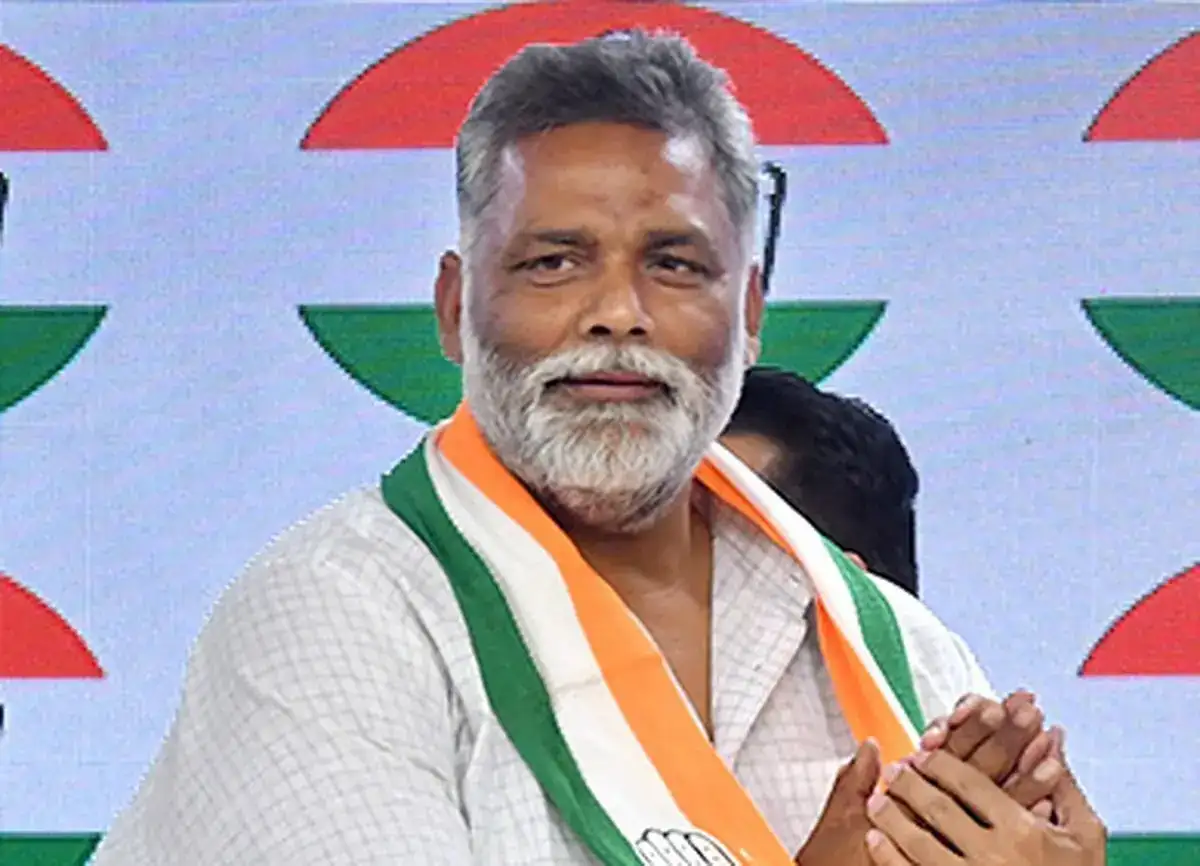
During a discussion, he suggested that many women cannot enter politics without dealing with inappropriate expectations from men. The wording was crude, and the reaction was immediate. Leaders across parties criticised the remark, and the Bharatiya Janata Party called for action.
At one level, the outrage is justified. Public representatives are expected to speak responsibly, especially on issues as sensitive as women’s participation in politics. But beyond the immediate backlash, there is a more uncomfortable layer to this conversation.
The statement may have been offensive, but it also pointed towards a reality that many women have quietly acknowledged for years. Politics in India is still a space where access is not always equal. Informal networks, power structures, and gatekeeping often make it harder for women to enter and grow.
That does not mean such remarks should be normalised. In fact, it is the opposite. When comments like these are made in public, they risk reinforcing the very mindset that needs to change. They shift the focus from systemic problems to individual narratives, often putting the burden back on women instead of questioning the system.
What makes this moment important is its timing. Conversations around women’s representation are already gaining attention. Policies and debates are slowly moving in the direction of greater inclusion. In that context, remarks like this feel like a step backwards, not because they introduce a new problem, but because they reflect how deep the old ones still run.
There is also a pattern that cannot be ignored. Indian politics has seen similar comments in the past. Each time, there is outrage, headlines, and then the issue fades. The cycle repeats, but the underlying mindset rarely shifts.
At the same time, it would be unfair to ignore the progress that has been made. Women today are far more visible in politics than they were a few decades ago. They are leading states, shaping policies, and building their own political spaces. But visibility does not always translate into equal opportunity.
The real issue here is not one person or one remark. It is about the environment that allows such thinking to exist. If the system still feels exclusionary, then incidents like this are not isolated. They are reminders of the work that remains.
In simple terms, the controversy is less about what was said and more about why it still resonates.
If Indian politics wants to move forward, it cannot rely only on laws or representation numbers. It also needs a shift in attitude. Respect, accountability, and equal access have to become the norm, not the exception.
Until that happens, every such incident will feel familiar, even when it should not.
During a discussion, he suggested that many women cannot enter politics without dealing with inappropriate expectations from men. The wording was crude, and the reaction was immediate. Leaders across parties criticised the remark, and the Bharatiya Janata Party called for action.
At one level, the outrage is justified. Public representatives are expected to speak responsibly, especially on issues as sensitive as women’s participation in politics. But beyond the immediate backlash, there is a more uncomfortable layer to this conversation.
The statement may have been offensive, but it also pointed towards a reality that many women have quietly acknowledged for years. Politics in India is still a space where access is not always equal. Informal networks, power structures, and gatekeeping often make it harder for women to enter and grow.
That does not mean such remarks should be normalised. In fact, it is the opposite. When comments like these are made in public, they risk reinforcing the very mindset that needs to change. They shift the focus from systemic problems to individual narratives, often putting the burden back on women instead of questioning the system.
What makes this moment important is its timing. Conversations around women’s representation are already gaining attention. Policies and debates are slowly moving in the direction of greater inclusion. In that context, remarks like this feel like a step backwards, not because they introduce a new problem, but because they reflect how deep the old ones still run.
There is also a pattern that cannot be ignored. Indian politics has seen similar comments in the past. Each time, there is outrage, headlines, and then the issue fades. The cycle repeats, but the underlying mindset rarely shifts.
At the same time, it would be unfair to ignore the progress that has been made. Women today are far more visible in politics than they were a few decades ago. They are leading states, shaping policies, and building their own political spaces. But visibility does not always translate into equal opportunity.
The real issue here is not one person or one remark. It is about the environment that allows such thinking to exist. If the system still feels exclusionary, then incidents like this are not isolated. They are reminders of the work that remains.
In simple terms, the controversy is less about what was said and more about why it still resonates.
If Indian politics wants to move forward, it cannot rely only on laws or representation numbers. It also needs a shift in attitude. Respect, accountability, and equal access have to become the norm, not the exception.
Until that happens, every such incident will feel familiar, even when it should not.






More from our partners


Loving Newspoint? Download the app now
