
What Government Benefits Does Rekha Get as a Former MP?

The conversation around celebrity lifestyles often focuses on films, endorsements, and public appearances. But in some cases, there is another layer that comes from public service.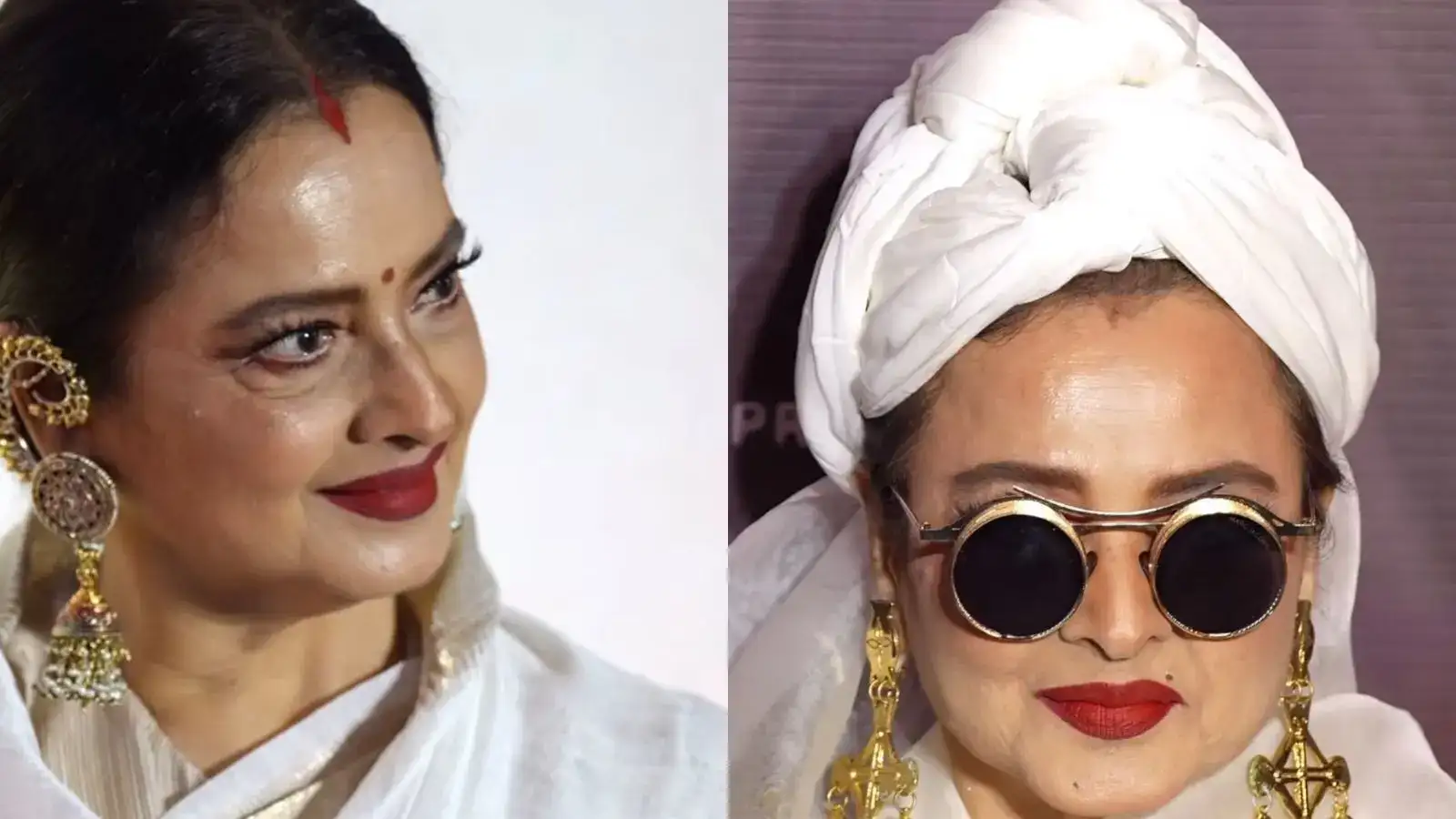
Rekha, one of Hindi cinema’s most recognisable faces, also served as a nominated member of the Rajya Sabha between 2012 and 2018. While her tenure in Parliament attracted mixed attention, it continues to shape certain aspects of her life even today.
Like all former Members of Parliament in India, she is entitled to a set of government-defined benefits. These are not unique to her, but part of a broader system that extends privileges to those who have served in either House.
One of the most discussed benefits is the monthly pension. Former MPs receive a fixed pension after completing their term, with additional increments based on years of service. In Rekha’s case, this translates to a steady monthly income linked directly to her time in Parliament.
Travel is another key entitlement. Former MPs are allowed to travel across the country by train without cost, typically in First AC. This benefit also extends partially to a companion, making it one of the more visible perks tied to the position.
Healthcare support is equally significant. Under the Central Government Health Scheme, former MPs can access medical treatment at government and empanelled private hospitals. This ensures continued access to healthcare facilities across the country without additional financial burden.
There are also institutional privileges that are less talked about but still relevant. For instance, a special identification system allows authorised individuals connected to a former MP to access certain Parliament facilities, including libraries and official spaces.
Some benefits, however, are time-bound. During her tenure, Rekha was entitled to official accommodation and communication facilities like telephone services. These are withdrawn after the term ends, although former MPs can continue to use certain services through formal procedures and personal payment if required.
Taken together, these benefits reflect how India structures post-tenure support for its lawmakers. The idea is to ensure that individuals who have held public office continue to have access to basic institutional support even after leaving Parliament.
At the same time, such privileges often become part of public debate. Questions around accountability, attendance, and contribution during tenure tend to resurface whenever these benefits are discussed, especially in cases involving high-profile personalities.
Rekha’s case sits at the intersection of celebrity and governance. Her presence in Parliament was symbolic, recognising her contribution to Indian cinema. But the benefits she receives today are part of a formal system that applies uniformly to all former MPs.
In simple terms, this is not just about a celebrity receiving perks.
It is about how the Indian system defines the value of public service, even after it officially ends.
Rekha, one of Hindi cinema’s most recognisable faces, also served as a nominated member of the Rajya Sabha between 2012 and 2018. While her tenure in Parliament attracted mixed attention, it continues to shape certain aspects of her life even today.
Like all former Members of Parliament in India, she is entitled to a set of government-defined benefits. These are not unique to her, but part of a broader system that extends privileges to those who have served in either House.
One of the most discussed benefits is the monthly pension. Former MPs receive a fixed pension after completing their term, with additional increments based on years of service. In Rekha’s case, this translates to a steady monthly income linked directly to her time in Parliament.
Travel is another key entitlement. Former MPs are allowed to travel across the country by train without cost, typically in First AC. This benefit also extends partially to a companion, making it one of the more visible perks tied to the position.
Healthcare support is equally significant. Under the Central Government Health Scheme, former MPs can access medical treatment at government and empanelled private hospitals. This ensures continued access to healthcare facilities across the country without additional financial burden.
There are also institutional privileges that are less talked about but still relevant. For instance, a special identification system allows authorised individuals connected to a former MP to access certain Parliament facilities, including libraries and official spaces.
Some benefits, however, are time-bound. During her tenure, Rekha was entitled to official accommodation and communication facilities like telephone services. These are withdrawn after the term ends, although former MPs can continue to use certain services through formal procedures and personal payment if required.
Taken together, these benefits reflect how India structures post-tenure support for its lawmakers. The idea is to ensure that individuals who have held public office continue to have access to basic institutional support even after leaving Parliament.
At the same time, such privileges often become part of public debate. Questions around accountability, attendance, and contribution during tenure tend to resurface whenever these benefits are discussed, especially in cases involving high-profile personalities.
Rekha’s case sits at the intersection of celebrity and governance. Her presence in Parliament was symbolic, recognising her contribution to Indian cinema. But the benefits she receives today are part of a formal system that applies uniformly to all former MPs.
In simple terms, this is not just about a celebrity receiving perks.
It is about how the Indian system defines the value of public service, even after it officially ends.






More from our partners


Loving Newspoint? Download the app now
