
Akshaya Tritiya 2025: What Is Eaten On This Day? Traditional Foods & Recipes

Akshaya Tritiya, considered one of the most auspicious days in the Hindu calendar, is not just about rituals and prayers—it’s also a celebration of abundance and nourishment. Falling on the third day of the bright half of the lunar month of Vaisakha, this festival is deeply tied to prosperity, good fortune, and spiritual significance. According to experts, food plays a central role in marking this sacred occasion, symbolising both devotion and tradition. From temple offerings to cherished family recipes, Akshaya Tritiya is known for a variety of seasonal and sacred dishes that differ from region to region but all reflect the spirit of gratitude and renewal.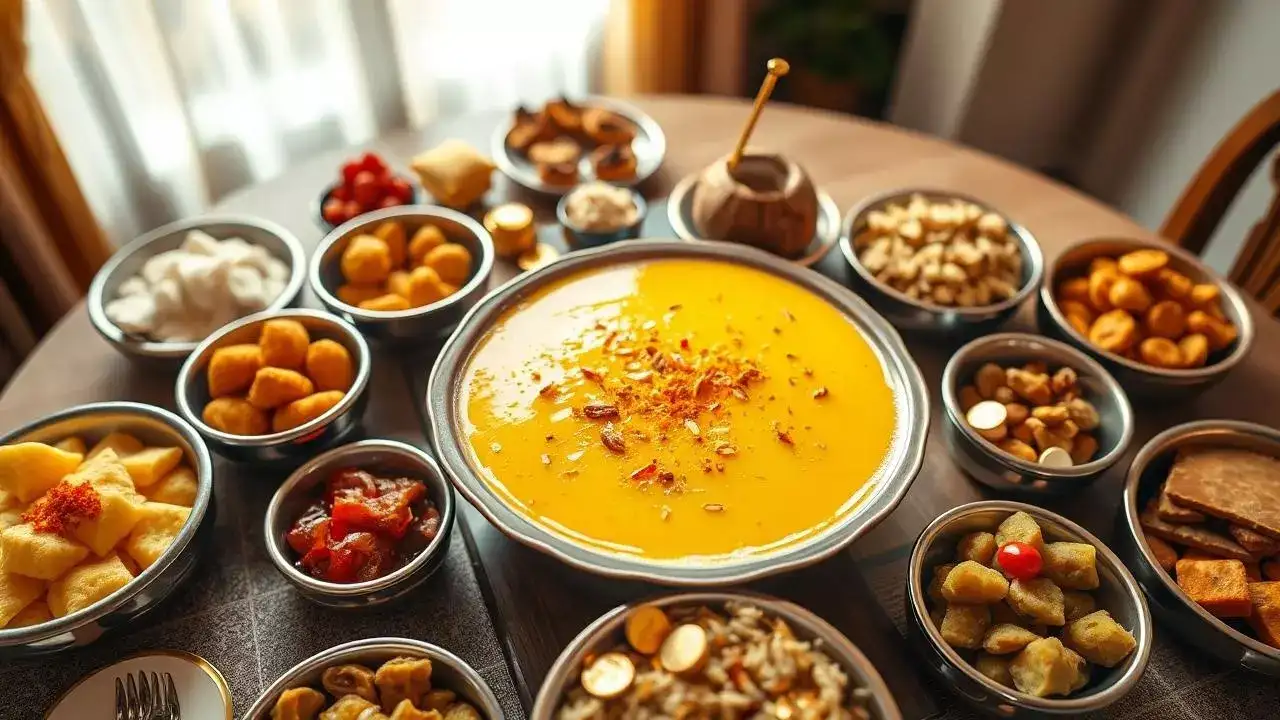
Traditional Foods and Sacred Offerings
One of the most notable aspects of Akshaya Tritiya is the preparation of sattvic food—meals that are light, vegetarian, and free from onion and garlic. These dishes are not only considered purer in religious contexts but are also believed to promote mental clarity and spiritual focus. According to cultural scholars and food historians, these meals are typically prepared in ghee and often offered first to deities as naivedya (divine offering) before being served to family and guests.
In many households, Akshaya Tritiya begins with a morning puja where rice, pulses, fruits, and sweets are placed before idols of Lord Vishnu and Goddess Lakshmi. Offerings usually include items like soaked grains, jaggery, coconut, and bananas, symbolising the harvest and the blessings of nature.
Popular Dishes Prepared on Akshaya Tritiya
In Southern India, especially in Tamil Nadu and Andhra Pradesh, a popular dish prepared on this day is Panakam—a cooling drink made from jaggery, cardamom, dry ginger powder, and water. This is not just refreshing in the summer heat, but according to Ayurvedic experts, it helps balance the body's heat and digestive system.
Another traditional delicacy is Kosambari, a light lentil salad made with soaked moong dal, cucumber, grated coconut, green chilli, and lemon juice. It is both nutritious and spiritually significant, offered during pujas and shared with family members.
In Northern India, households often prepare Kheer, a creamy rice pudding made with milk, rice, sugar, and cardamom. Sometimes garnished with almonds and saffron, kheer is associated with auspicious beginnings and is commonly prepared during festivals. Some regions also prepare Puran Poli or Sooji Halwa as part of the festive spread.
Why Seasonal and Cooling Foods Dominate the Menu
As Akshaya Tritiya typically falls in the peak of summer, the foods consumed are often chosen for their cooling properties. According to nutritionists, ingredients like jaggery, buttermilk, cucumber, and coconut help hydrate and detoxify the body. These foods not only support health but also align with the idea of satiety and simplicity, which is integral to the festival’s spirit.
Experts note that the use of natural sweeteners like jaggery and the absence of processed ingredients also reflect the festival's emphasis on purity and abundance derived from nature, rather than excess or indulgence.
Charity and Food Distribution
Another major part of the festival's food culture is daan (charitable giving). It is considered highly meritorious to donate food, water, clothes, and grains on Akshaya Tritiya. Many families organise annadanam (community food distribution), providing meals to the needy. This practice reflects the core value of akshaya—meaning eternal or never-ending—and is believed to bring blessings that multiply manifold over time.
According to spiritual leaders, the act of giving during this festival is not just about generosity but is also seen as a way of expressing gratitude and attracting continuous prosperity into one’s life.
Celebrating Abundance Through Simplicity
Akshaya Tritiya is not a festival marked by extravagant feasts but by wholesome, meaningful meals that carry spiritual weight. From humble rice dishes to cooling drinks and sacred sweets, the foods consumed embody both tradition and mindfulness. Whether it's preparing home-cooked offerings or participating in community meals, food remains a powerful medium to express devotion, seek blessings, and celebrate the infinite potential for growth and prosperity.
Traditional Foods and Sacred Offerings
One of the most notable aspects of Akshaya Tritiya is the preparation of sattvic food—meals that are light, vegetarian, and free from onion and garlic. These dishes are not only considered purer in religious contexts but are also believed to promote mental clarity and spiritual focus. According to cultural scholars and food historians, these meals are typically prepared in ghee and often offered first to deities as naivedya (divine offering) before being served to family and guests.
In many households, Akshaya Tritiya begins with a morning puja where rice, pulses, fruits, and sweets are placed before idols of Lord Vishnu and Goddess Lakshmi. Offerings usually include items like soaked grains, jaggery, coconut, and bananas, symbolising the harvest and the blessings of nature.
Popular Dishes Prepared on Akshaya Tritiya
In Southern India, especially in Tamil Nadu and Andhra Pradesh, a popular dish prepared on this day is Panakam—a cooling drink made from jaggery, cardamom, dry ginger powder, and water. This is not just refreshing in the summer heat, but according to Ayurvedic experts, it helps balance the body's heat and digestive system.
Another traditional delicacy is Kosambari, a light lentil salad made with soaked moong dal, cucumber, grated coconut, green chilli, and lemon juice. It is both nutritious and spiritually significant, offered during pujas and shared with family members.
In Northern India, households often prepare Kheer, a creamy rice pudding made with milk, rice, sugar, and cardamom. Sometimes garnished with almonds and saffron, kheer is associated with auspicious beginnings and is commonly prepared during festivals. Some regions also prepare Puran Poli or Sooji Halwa as part of the festive spread.
Why Seasonal and Cooling Foods Dominate the Menu
As Akshaya Tritiya typically falls in the peak of summer, the foods consumed are often chosen for their cooling properties. According to nutritionists, ingredients like jaggery, buttermilk, cucumber, and coconut help hydrate and detoxify the body. These foods not only support health but also align with the idea of satiety and simplicity, which is integral to the festival’s spirit.
Experts note that the use of natural sweeteners like jaggery and the absence of processed ingredients also reflect the festival's emphasis on purity and abundance derived from nature, rather than excess or indulgence.
Charity and Food Distribution
Another major part of the festival's food culture is daan (charitable giving). It is considered highly meritorious to donate food, water, clothes, and grains on Akshaya Tritiya. Many families organise annadanam (community food distribution), providing meals to the needy. This practice reflects the core value of akshaya—meaning eternal or never-ending—and is believed to bring blessings that multiply manifold over time.
According to spiritual leaders, the act of giving during this festival is not just about generosity but is also seen as a way of expressing gratitude and attracting continuous prosperity into one’s life.
Celebrating Abundance Through Simplicity
Akshaya Tritiya is not a festival marked by extravagant feasts but by wholesome, meaningful meals that carry spiritual weight. From humble rice dishes to cooling drinks and sacred sweets, the foods consumed embody both tradition and mindfulness. Whether it's preparing home-cooked offerings or participating in community meals, food remains a powerful medium to express devotion, seek blessings, and celebrate the infinite potential for growth and prosperity.
Next Story