
Anant Chaturdashi 2026: September 24 or 25, Exact Date, Shubh Muhurat & 14-Knot Thread Rules


The sacred festival of Anant Chaturdashi represents one of the most spiritually charged calendar milestones in Sanatan Dharma. Primarily dedicated to the reverence of the eternal, limitless manifestation of Lord Vishnu, this auspicious day marks the climactic confluence of intense Vaishnava devotion, the sacred ritual of tying the sanctified Anant Sutra, and the grand farewell to Lord Ganesha through Ganesh Visarjan.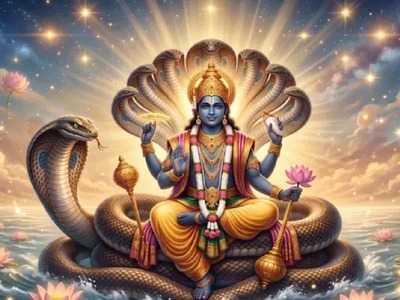 Because the tithi spans consecutive calendar days, widespread ambiguity has arisen among devotees regarding whether the sacred fast and ceremonial rites should be observed on September 24 or September 25, 2026. Astronomical calculations based on traditional Panchang principles settle this confusion, confirming the precise festival calendar, auspicious puja windows, and key scriptural guidelines for seeking divine protection and endless prosperity.Udaya Tithi Verification: Why Anant Chaturdashi Falls on Friday, September 25, 2026According to Vedic Panchang calculations, the Chaturdashi Tithi of the Shukla Paksha in the holy month of Bhadrapada formally commences on Thursday, September 24, 2026, at 11:18 PM.The tithi will conclude on Friday, September 25, 2026, at 11:06 PM. In accordance with established Sanatan Dharma scriptures, when a tithi prevails across sunrise—known as Udaya Tithi—that entire solar day is designated for observing the fast and performing scriptural rituals. Since the sunrise of September 25 greets the Chaturdashi Tithi and remains in effect almost until midnight, the fast, Lord Vishnu's worship, and Ganesh Visarjan rituals will officially and fruitfully be observed nationwide on Friday, September 25, 2026.Complete Shubh Muhurat Timings: When to Perform Puja and Avoid Inauspicious Rahu KaalDevotees observing the vow are advised to conduct their devotional offerings within designated, astrologically favorable periods while avoiding malefic cosmic windows:Sunrise and Sunset: Sunrise occurs at 06:10 AM, followed by sunset at 06:14 PM on September 25.Brahma Muhurta: The early dawn spiritual window runs from 04:35 AM to 05:23 AM, ideal for morning meditation, ritual bath, and sankalp.Abhijit Muhurat: The highly auspicious midday muhurat spans from 11:50 AM to 12:38 PM, offering an ideal time for conducting the main Anant Puja and knot-tying ceremony.Rahu Kaal Alert (Strictly Avoid): The inauspicious planetary window of Rahu Kaal prevails between 10:43 AM and 12:14 PM.Scriptures strictly advise against performing any auspicious rituals, initiating the Vrat katha, or tying the sacred Anant Sutra during this interval.The Spiritual Significance of Anant: Lord Vishnu on the Celestial Serpent SheshnagWhile Lord Vishnu is revered across countless divine incarnations, Anant Chaturdashi is consecrated specifically to his boundless, primordial form as 'Anant'—the Infinite One. As extolled in the sacred Narada Purana, Lord Vishnu reclines upon the multi-hooded cosmic serpent Sheshnag in the Kshira Sagara (ocean of milk), sustaining the balance of creation across infinite time and space.Worshipping Lord Vishnu alongside Lord Ganesha on this concluding day of Ganeshotsav helps eliminate obstacles, mitigates past karmic debts, and invites lasting domestic peace, health, and spiritual evolution into the household.The Mystery of the 14 Knots: Sanctifying and Wearing the Sacred Anant SutraThe most distinctive ceremony of this festival is the preparation and tying of the protective Anant Sutra, a sacred cotton thread dyed vibrant yellow with auspicious turmeric.The thread is deliberately tied with 14 distinct knots before being consecrated on the altar before Lord Vishnu. Scriptural teachings emphasize that these 14 knots symbolize the 14 cosmic realms created and sustained by the Supreme Being: the seven upper worlds (Bhuh, Bhuvah, Swah, Mahah, Janah, Tapah, Satyam) and the seven lower realms (Atala, Vitala, Sutala, Talatala, Mahatala, Rasatala, Patala). After chanting sacred mantras and dedicating the thread to Lord Vishnu, the protective talisman is tied around the arm to shield the wearer from negative influences and attract continuous fortune.According to strict ritual practice, men must wear the consecrated Anant Sutra on their right upper arm or wrist, while women must tie it on their left arm to secure the deity's blessings.
Next Story