
Basant Panchami 2024: Date, Mahurat & Rituals To Honour Goddess Saraswati

Basant Panchami, falling on February 14th this year, heralds the celebration of knowledge, art, and the onset of spring as devotees honour Goddess Saraswati. The Panchami Tithi of Magh Shukla Paksha spans from 2:41 pm on the 13th to 12:09 pm on the 14th of February. The auspicious Saraswati Puja Muhurat extends from 7:00 am to 12:35 pm, spanning 5 hours and 35 minutes, allowing devotees ample time to perform rituals.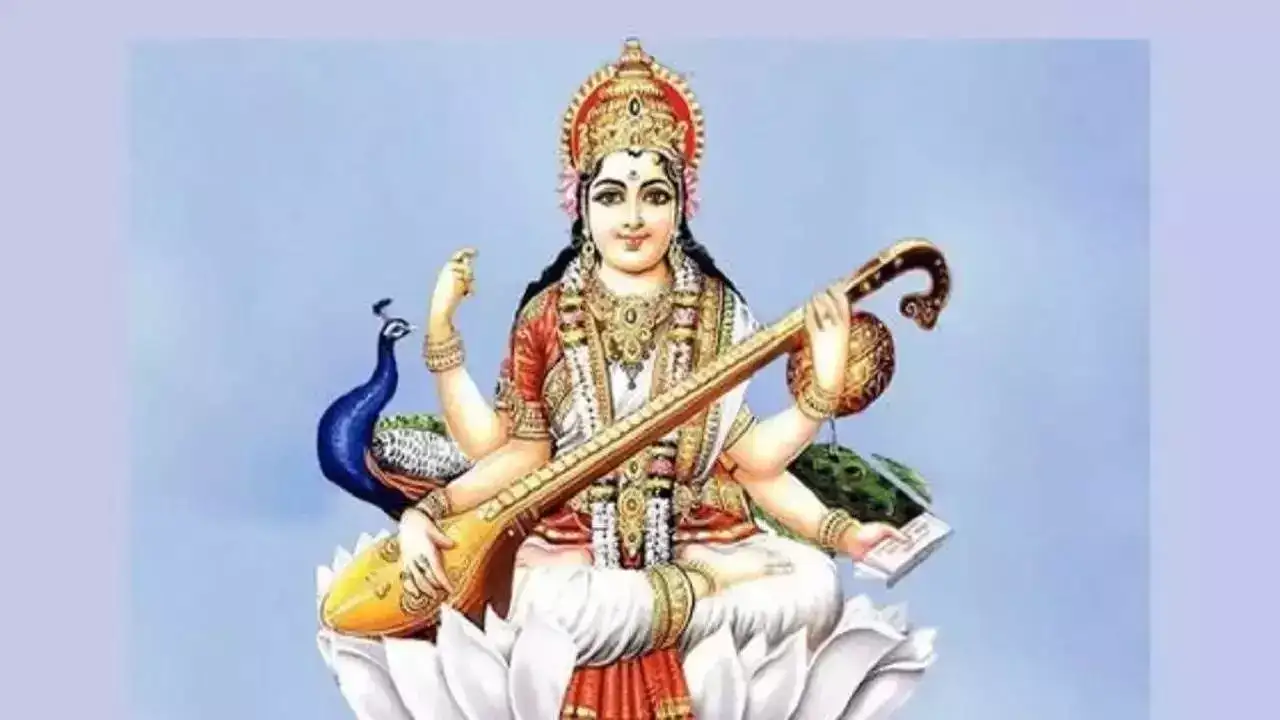
Significance of Basant Panchami: A Tribute to Goddess Saraswati
Rooted in mythology, Basant Panchami holds profound significance as the day Goddess Saraswati, the epitome of knowledge and wisdom, is worshipped. Legend has it that she received a boon from Lord Krishna, bestowing knowledge upon those who worship her on this auspicious day.
It is customary for young children to embark on their educational journey by writing their first alphabet on this day. Beyond its spiritual significance, Basant Panchami marks the transition from winter to spring, symbolising renewal and rejuvenation.
Saraswati Puja Vidhi: Rituals and Traditions
Devotees rise early on Basant Panchami to cleanse themselves with a holy bath, adorning yellow attire as a symbol of auspiciousness. Those unable to procure yellow garments opt for white attire. A meticulous cleaning of the place of worship ensues, with devotees adorning a stool with yellow cloth and dressing Goddess Saraswati in resplendent yellow attire.
Offerings of yellow flowers, Akshat, Roli, sandalwood, and incense sticks are made, accompanied by the lighting of lamps. The chanting of mantras reverberates through the air as devotees beseech Goddess Saraswati for knowledge, wisdom, and discernment. The ritual culminates in the performance of Havan and Aarti, symbolising the culmination of devotion and reverence.
Fresh Beginnings: Basant Panchami Celebrations
As the world celebrates Basant Panchami, devotees across the globe come together to honour Goddess Saraswati and embrace the arrival of spring. From intricate rituals to vibrant celebrations, Basant Panchami encapsulates the essence of spiritual renewal and intellectual enlightenment.
Significance of Basant Panchami: A Tribute to Goddess Saraswati
Rooted in mythology, Basant Panchami holds profound significance as the day Goddess Saraswati, the epitome of knowledge and wisdom, is worshipped. Legend has it that she received a boon from Lord Krishna, bestowing knowledge upon those who worship her on this auspicious day.
It is customary for young children to embark on their educational journey by writing their first alphabet on this day. Beyond its spiritual significance, Basant Panchami marks the transition from winter to spring, symbolising renewal and rejuvenation.
Saraswati Puja Vidhi: Rituals and Traditions
Devotees rise early on Basant Panchami to cleanse themselves with a holy bath, adorning yellow attire as a symbol of auspiciousness. Those unable to procure yellow garments opt for white attire. A meticulous cleaning of the place of worship ensues, with devotees adorning a stool with yellow cloth and dressing Goddess Saraswati in resplendent yellow attire.
Offerings of yellow flowers, Akshat, Roli, sandalwood, and incense sticks are made, accompanied by the lighting of lamps. The chanting of mantras reverberates through the air as devotees beseech Goddess Saraswati for knowledge, wisdom, and discernment. The ritual culminates in the performance of Havan and Aarti, symbolising the culmination of devotion and reverence.
Fresh Beginnings: Basant Panchami Celebrations
As the world celebrates Basant Panchami, devotees across the globe come together to honour Goddess Saraswati and embrace the arrival of spring. From intricate rituals to vibrant celebrations, Basant Panchami encapsulates the essence of spiritual renewal and intellectual enlightenment.
Next Story