
Chaitra Navratri 2026: How to Perform Navratri Havan at Home – Rituals, Mantras & Step-by-Step Guide

Navratri is a sacred festival celebrated with devotion and grandeur across India. One of the most significant rituals during Chaitra Navratri is performing a Navratri Havan at home . This sacrificial fire ritual not only honours Goddess Durga but also brings peace, prosperity, and positive energy into your home. Here’s a complete guide to performing Havan at home, including essential rituals, mantras, and offerings.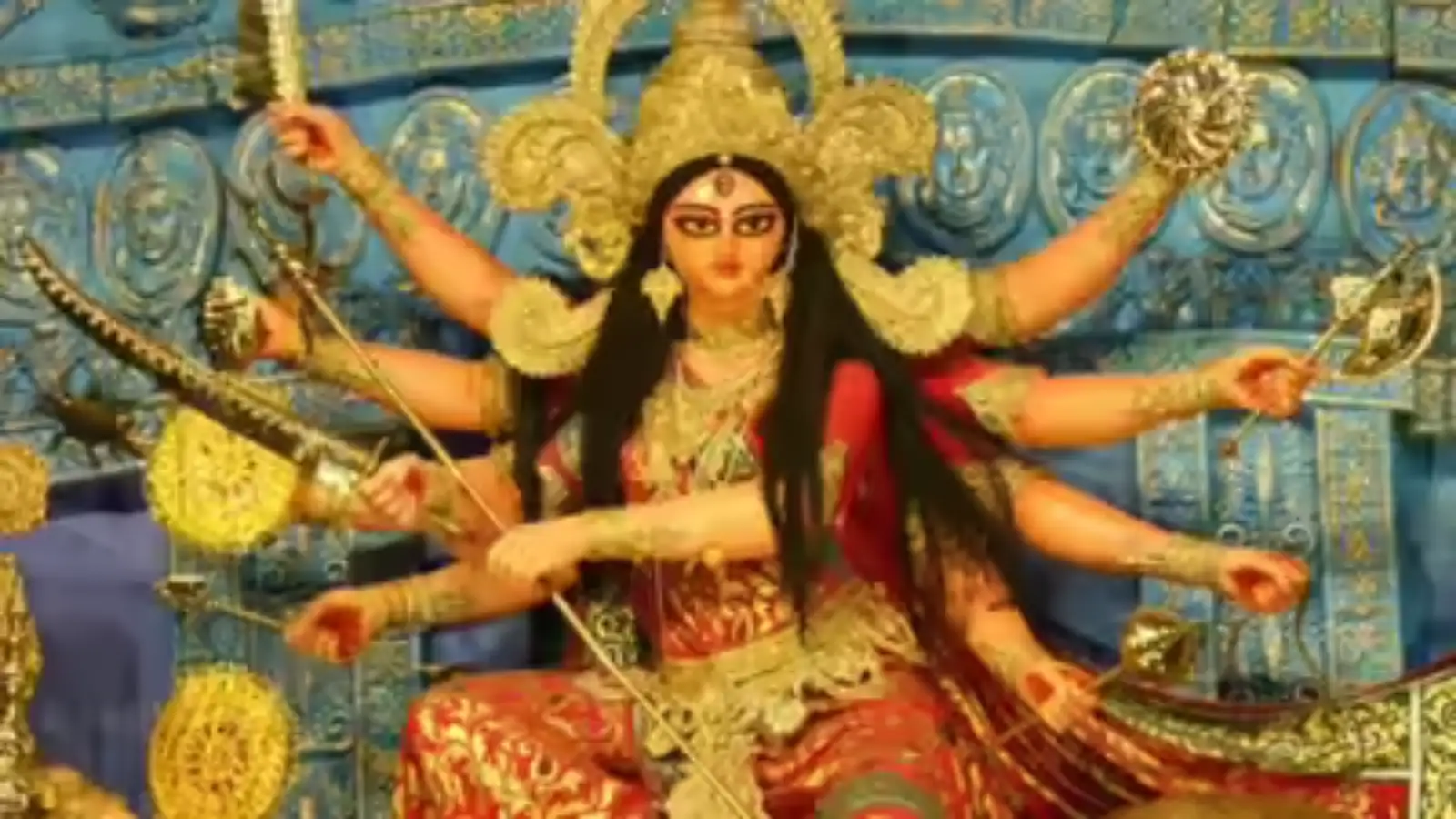
Why Perform Navratri Havan?
Havan during Navratri is believed to purify the surroundings and invoke divine blessings. While some perform Havan daily during the nine-day festival, others focus on Mahashtami or Mahanavami. Performing Havan on Mahanavami marks the culmination of the Navratri cycle, making it particularly auspicious. The Havan on the ninth day is known as Durga Hom or Chandi Hom .
Essential Materials for Navratri Havan
Before starting the Havan, ensure you have all the necessary materials:
Having these items ready ensures a smooth and uninterrupted ritual.
Step-by-Step Navratri Havan Procedure
1. Preparing the Space
Sit facing East and place the Havan Kund in front of you. Begin by meditating on Mother Earth. Cleanse your palms and perform Achaman (ritual sipping of water) while chanting:
Light a diya (lamp) and invoke Agni Dev, the Fire God. Sprinkle a small amount of water on the ground while reciting:
"Bhuloke Dharma Sthapanartham Sarvesham Jananam Sukha Shanti Siddhyartham Durga Homakarma Yathashakti Karishye"
2. Lighting the Havan Fire
Place dried coconut, firewood, and cow-dung cakes into the Havan Kund. Ignite the fire with camphor while chanting:
Offer ghee into the fire eight times while reciting:
Offerings with Mantras
During the Havan, dedicate different aspects of yourself to deities:
Offer sandalwood, flowers, incense sticks, fruits, and prepared food into the Havan while chanting the respective mantras for each element.
Offerings to Goddess Durga
To invoke Goddess Durga’s blessings, offer ghee while reciting:
These mantras symbolise devotion, gratitude, and the offering of one’s consciousness to the divine.
Final Offerings (Purnahuti)
Conclude the Havan with Purnahuti, offering larger quantities of coconut, wood, and ghee while chanting:
Visualise dedicating your entire existence to Maa Durga and seek her blessings for peace, prosperity, and spiritual growth.
Key Tips for a Successful Navratri Havan
Performing a Navratri Havan at home is a beautiful way to connect with tradition, invite divine energy, and celebrate the spirit of Navratri with family. With proper preparation and devotion, this ritual brings auspiciousness and strengthens spiritual well-being.
Why Perform Navratri Havan?
Havan during Navratri is believed to purify the surroundings and invoke divine blessings. While some perform Havan daily during the nine-day festival, others focus on Mahashtami or Mahanavami. Performing Havan on Mahanavami marks the culmination of the Navratri cycle, making it particularly auspicious. The Havan on the ninth day is known as Durga Hom or Chandi Hom .
Essential Materials for Navratri Havan
Before starting the Havan, ensure you have all the necessary materials:
- Havan Kund (fire pit)
- Ghee (clarified butter) or sesame oil
- Spoon for offering ghee
- Water vessel and spoon
- Camphor
- Dried coconut pieces, cow-dung cakes, firewood
- Sesame seeds, cashews, and almonds
Having these items ready ensures a smooth and uninterrupted ritual.
Step-by-Step Navratri Havan Procedure
1. Preparing the Space
Sit facing East and place the Havan Kund in front of you. Begin by meditating on Mother Earth. Cleanse your palms and perform Achaman (ritual sipping of water) while chanting:
- Om Keshavaya Namah
- Om Narayanaya Namah
- Om Madhavaya Namah
Light a diya (lamp) and invoke Agni Dev, the Fire God. Sprinkle a small amount of water on the ground while reciting:
"Bhuloke Dharma Sthapanartham Sarvesham Jananam Sukha Shanti Siddhyartham Durga Homakarma Yathashakti Karishye"
2. Lighting the Havan Fire
Place dried coconut, firewood, and cow-dung cakes into the Havan Kund. Ignite the fire with camphor while chanting:
- Om Bhur Bhuvah Suvah Om
Offer ghee into the fire eight times while reciting:
- Om Bhur Bhuvah Suvah Swaha
Offerings with Mantras
During the Havan, dedicate different aspects of yourself to deities:
- Prajapati: Om Prajapataye Swaha, Idam Prajapataye Na Mama
- Indra: Om Indraya Swaha, Idam Indrayai Na Mama
- Agni Dev: Om Agnaye Swaha, Idam Agnaye Na Mama
- Som Dev: Om Somaya Swaha, Idam Somaya Na Mama
- Lord Ganesha: Om Gam Ganapataye Namah Swaha
- Varun Dev: Om Vam Varunaya Namah Swaha
Offer sandalwood, flowers, incense sticks, fruits, and prepared food into the Havan while chanting the respective mantras for each element.
Offerings to Goddess Durga
To invoke Goddess Durga’s blessings, offer ghee while reciting:
- Om Dum Durgayai Namah Swaha
- Om Shreem Hreem Dum Durgayai Namah Swaha
- Om Durgayai Durgaparayai Sarayai Sarvakarinayai Khyatyai Tathaiva Krishnayai Dhoomra Satatam Namah Swaha
These mantras symbolise devotion, gratitude, and the offering of one’s consciousness to the divine.
Final Offerings (Purnahuti)
Conclude the Havan with Purnahuti, offering larger quantities of coconut, wood, and ghee while chanting:
- Om Hreem Dum Durgayai Namah Swaha
- Om Agnaye Saptavate Swaha
Visualise dedicating your entire existence to Maa Durga and seek her blessings for peace, prosperity, and spiritual growth.
Key Tips for a Successful Navratri Havan
- Choose the Right Day: Preferably Mahanavami for maximum spiritual benefit.
- Face East: Always perform Havan while facing the east direction.
- Clean and Sacred Space: Ensure the area is clean and peaceful.
- Meditate Before Ritual: Center your mind on positivity and devotion.
- Follow Mantras Properly: Chant clearly and with full attention for best results.
Performing a Navratri Havan at home is a beautiful way to connect with tradition, invite divine energy, and celebrate the spirit of Navratri with family. With proper preparation and devotion, this ritual brings auspiciousness and strengthens spiritual well-being.
Next Story