
Chaitra Navratri 2026: What to Avoid Buying and What to Bring Home for Positive Energy

With Chaitra Navratri set to begin from March 19 to March 27, 2026, homes across the country are gearing up for nine days of devotion, fasting, and vibrant celebrations dedicated to Goddess Durga. Along with prayers and rituals, many families follow age-old beliefs about mindful spending during this sacred period.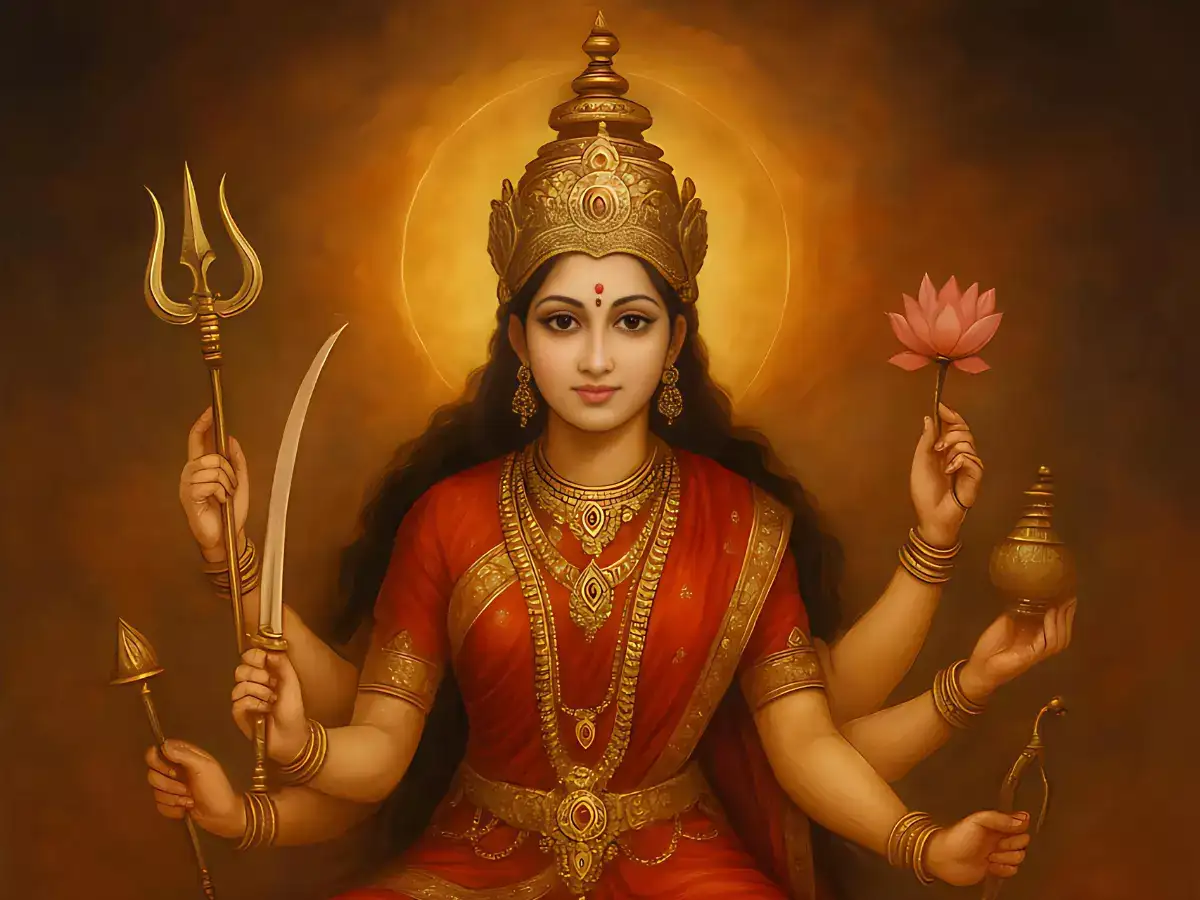
What Many Prefer Not to Buy
Iron Items
Iron is often linked with dense energy, so devotees avoid purchasing iron utensils, tools, or furniture to maintain a calm and pure environment.
Leather Products
Shoes, bags, and belts made of leather are usually skipped. Since Navratri promotes compassion and a sattvic lifestyle, avoiding animal-based products aligns with its essence.
Sharp Tools
Items like knives and scissors are associated with aggression. Buying them during a spiritually peaceful time is generally discouraged.
Black-Colored Goods
Black is sometimes seen as a symbol of heavy energy. Instead, people lean toward bright, festive colors that reflect positivity and devotion.
Non-Vegetarian Items & Alcohol
Many households follow a clean, sattvic diet during Navratri. As a result, buying meat, eggs, or alcohol is avoided to stay spiritually aligned.
Second-Hand Items
Used products are believed to carry past energies, so people prefer bringing only fresh and pure items into their homes during this time.
What’s Considered Auspicious to Buy
The Thought Behind These Traditions
These customs are not just about do’s and don’ts, they encourage a mindful lifestyle. Navratri is a time to simplify, focus on inner growth, and invite positivity into everyday life.
By choosing what to buy (and what to avoid), devotees aim to create a peaceful space that supports prayer, reflection, and spiritual discipline.
A Celebration Beyond Rules
While many follow these traditions closely, others adapt them based on personal beliefs. What remains constant is the spirit of Navratri, a time to honor the divine feminine, embrace positivity, and start anew with clarity and devotion.
What Many Prefer Not to Buy
Iron Items
Iron is often linked with dense energy, so devotees avoid purchasing iron utensils, tools, or furniture to maintain a calm and pure environment. Leather Products
Shoes, bags, and belts made of leather are usually skipped. Since Navratri promotes compassion and a sattvic lifestyle, avoiding animal-based products aligns with its essence.Sharp Tools
Items like knives and scissors are associated with aggression. Buying them during a spiritually peaceful time is generally discouraged. Black-Colored Goods
Black is sometimes seen as a symbol of heavy energy. Instead, people lean toward bright, festive colors that reflect positivity and devotion.You may also like
- Quote of the day by Buddha: "Health is the greatest gift, contentment the greatest wealth"
- Quote of the day from the Bhagavad Gita: Among all kinds of killers, time is the ultimate because time kills everything
- Quote of the day from Mahabharata: A wise man rejoices in what he has, not grieves over what he lacks
- Quote of the day from Ramayan: No one is without faults.
- Festival of Womanhood 2026 Celebrates Conscious Womanhood and Women Leaders at Bikaner House
Non-Vegetarian Items & Alcohol
Many households follow a clean, sattvic diet during Navratri. As a result, buying meat, eggs, or alcohol is avoided to stay spiritually aligned. Second-Hand Items
Used products are believed to carry past energies, so people prefer bringing only fresh and pure items into their homes during this time. What’s Considered Auspicious to Buy
- Idols & Puja Items: Bringing home sacred items enhances spiritual vibrations.
- Flowers & Fruits: Fresh offerings symbolize purity and devotion.
- Diyas & Decorations: Traditional décor helps create a festive and divine ambiance.
- New Clothes & Jewelry: Bright outfits, along with gold or silver, are often seen as signs of prosperity and fresh beginnings.
The Thought Behind These Traditions
These customs are not just about do’s and don’ts, they encourage a mindful lifestyle. Navratri is a time to simplify, focus on inner growth, and invite positivity into everyday life. By choosing what to buy (and what to avoid), devotees aim to create a peaceful space that supports prayer, reflection, and spiritual discipline.
A Celebration Beyond Rules
While many follow these traditions closely, others adapt them based on personal beliefs. What remains constant is the spirit of Navratri, a time to honor the divine feminine, embrace positivity, and start anew with clarity and devotion. 





More from our partners


Loving Newspoint? Download the app now
