
Diwali 2026 Dates and Calendar: Complete Guide to the Festival of Lights, Rituals and Celebrations

Diwali, popularly known as the festival of lights, is among the most important celebrations in India and across the South Asian community. In 2026, the main festival falls on November 8, bringing families together for prayers, festive meals, decorations and the exchange of gifts.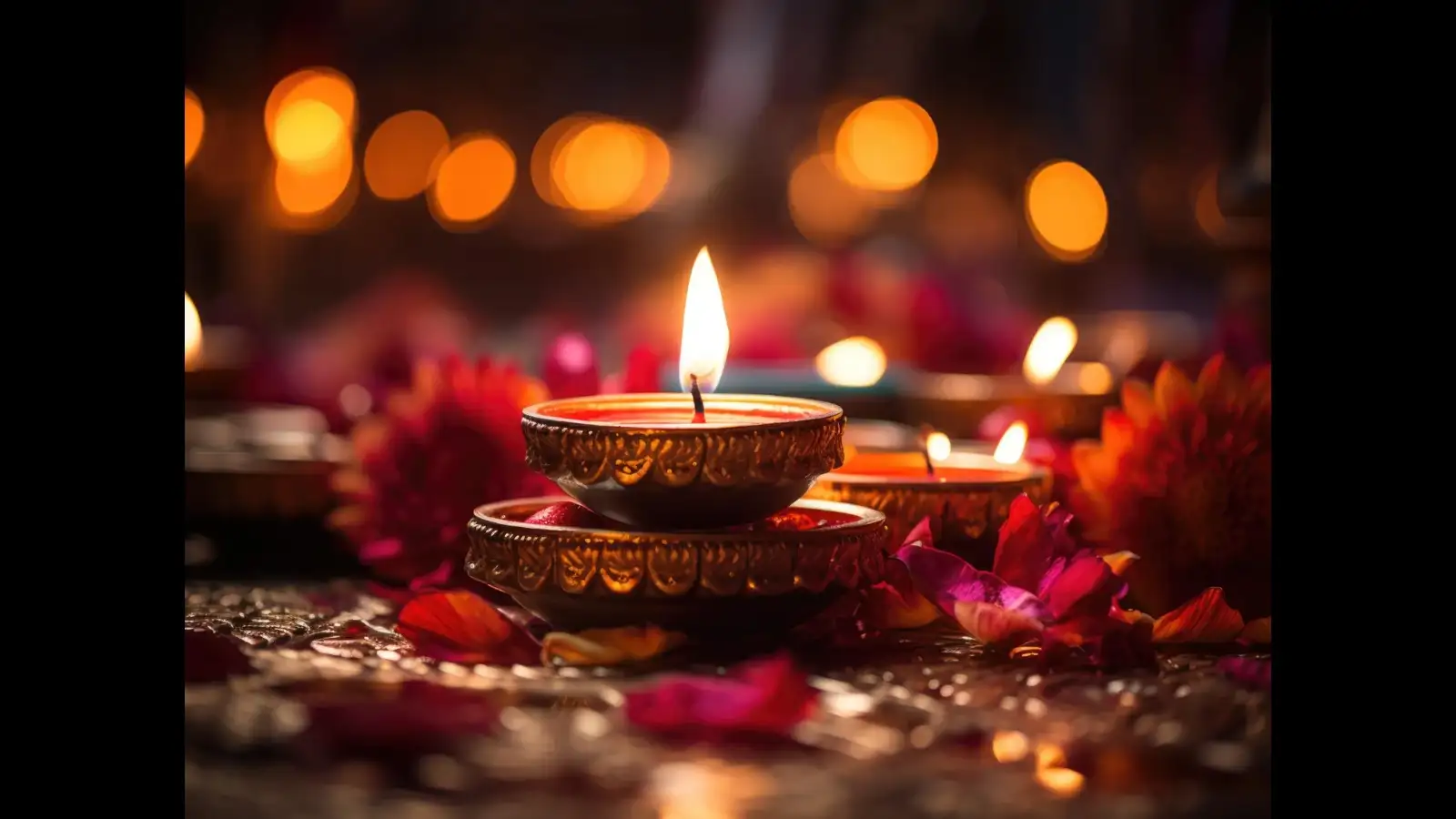
The celebrations span five days, beginning with Dhanteras on November 6 and ending with Bhai Dooj on November 10. Each day has distinct customs, from worshipping Goddess Lakshmi to celebrating the bond between brothers and sisters.
Here is the five-day Diwali calendar for 2026:
The names and customs associated with individual days can differ across regions. Some communities observe additional rituals, while certain business communities mark the festive period with the opening of new account books.
People planning religious ceremonies should check the local Panchang for the applicable tithi and puja timings.
Preparations often start well in advance, with families cleaning their homes, arranging decorations and shopping for festive essentials. Buying gold, silver, utensils and household appliances is a popular custom, as many consider Dhanteras an auspicious day for new purchases.
The observance sets the tone for the days ahead, with households preparing for prayers, family gatherings and the main festival.
Homes are decorated with lights, flowers and earthen lamps called diyas. Many families create rangoli designs at entrances using coloured powders, flowers and other decorative materials. Sweets and festive meals are also prepared, while gifts and other arrangements are finalised.
In some regional traditions, Naraka Chaturdashi has its own religious rituals and significance beyond these preparations. Customs vary according to local practices and family traditions.
Lakshmi Puja is one of the central rituals of the festival. Devotees worship Goddess Lakshmi for prosperity and well-being and often pray to Lord Ganesha for wisdom and the removal of obstacles.
The Sanskrit-derived name Deepavali means a row of lights. The lighting of diyas is widely associated with the triumph of light over darkness and good over evil.
Lakshmi Puja is generally performed at an auspicious time determined by religious calendar calculations. As the applicable muhurat can vary by location, devotees should check the timings for their city before arranging the ceremony.
Devotees may prepare a variety of food offerings, perform prayers and visit temples. In some regions, the occasion is celebrated as Annakut, when an assortment of dishes is offered during worship.
The day also carries significance for certain business communities that mark the beginning of a new financial or accounting year. Opening new account books and seeking blessings for future prosperity are among the associated customs.
The precise observance can differ across communities, reflecting India's varied religious and cultural traditions.
Sisters may invite their brothers for a meal, apply a ceremonial tilak and pray for their health and well-being. Brothers often give gifts in return. Although the details differ from region to region, the central theme is affection, mutual care and family unity.
For many households, Bhai Dooj provides an opportunity to bring the festive period to a close with relatives and loved ones.
In several southern Indian traditions, the celebrations are associated with Lord Krishna's victory over the demon Narakasura. Goddess Lakshmi also holds a central place in Diwali worship, particularly among devotees seeking blessings for wealth and prosperity.
The festival is significant beyond Hindu communities as well. For Sikhs, Bandi Chhor Divas commemorates the release of Guru Hargobind and 52 princes from imprisonment in 1619. Jains associate Diwali with Lord Mahavira's nirvana, while some Buddhist communities observe the occasion through regional customs.
These different associations underline Diwali's wider cultural significance across India and among South Asian communities around the world.
Households can prepare decorations, traditional dishes and gifts ahead of the celebrations. Choosing earthen lamps, managing waste responsibly and avoiding excessive firecracker use are practical ways to make festivities safer and more considerate of neighbours.
Diwali is also associated with charity and seva, or selfless service, in many communities. Donating to those in need, sharing food and supporting local initiatives can add another dimension to the celebrations.
With Dhanteras on November 6, Diwali on November 8 and Bhai Dooj on November 10, the 2026 festive period brings together religious observances, regional customs and family traditions. Checking local calendar timings will help devotees plan their celebrations while following the practices important to them.
The celebrations span five days, beginning with Dhanteras on November 6 and ending with Bhai Dooj on November 10. Each day has distinct customs, from worshipping Goddess Lakshmi to celebrating the bond between brothers and sisters.
Diwali 2026 Calendar : Complete List of Important Dates
Diwali follows the Hindu lunisolar calendar, which is why its date changes every year. The main celebration is associated with the new moon day of the Hindu lunar month of Kartika. The surrounding festivities include several observances that hold religious and cultural significance.Here is the five-day Diwali calendar for 2026:
| Date | Day | Festival |
| November 6, 2026 | Friday | Dhanteras |
| November 7, 2026 | Saturday | Choti Diwali or Naraka Chaturdashi |
| November 8, 2026 | Sunday | Diwali and Lakshmi Puja |
| November 9, 2026 | Monday | Govardhan Puja and regional New Year observances |
| November 10, 2026 | Tuesday | Bhai Dooj |
People planning religious ceremonies should check the local Panchang for the applicable tithi and puja timings.
November 6: Dhanteras Marks the Start of Diwali Festivities
Dhanteras marks the beginning of the main Diwali celebrations for many families. The occasion is associated with prosperity, good health and well-being. Devotees commonly worship Goddess Lakshmi, the deity associated with wealth, and Lord Dhanvantari, who is linked with health and Ayurveda.Preparations often start well in advance, with families cleaning their homes, arranging decorations and shopping for festive essentials. Buying gold, silver, utensils and household appliances is a popular custom, as many consider Dhanteras an auspicious day for new purchases.
The observance sets the tone for the days ahead, with households preparing for prayers, family gatherings and the main festival.
November 7: Choti Diwali and Naraka Chaturdashi
Choti Diwali, also known as Naraka Chaturdashi in several traditions, falls on November 7. The observance is associated with the victory of good over evil and serves as an important part of the preparations for the main celebration.Homes are decorated with lights, flowers and earthen lamps called diyas. Many families create rangoli designs at entrances using coloured powders, flowers and other decorative materials. Sweets and festive meals are also prepared, while gifts and other arrangements are finalised.
In some regional traditions, Naraka Chaturdashi has its own religious rituals and significance beyond these preparations. Customs vary according to local practices and family traditions.
November 8: Diwali and Lakshmi Puja
Sunday, November 8, is the main Diwali celebration according to the supplied 2026 calendar. Homes and public spaces are illuminated with lamps and decorative lights, while families gather for prayers, special meals and the exchange of gifts.Lakshmi Puja is one of the central rituals of the festival. Devotees worship Goddess Lakshmi for prosperity and well-being and often pray to Lord Ganesha for wisdom and the removal of obstacles.
The Sanskrit-derived name Deepavali means a row of lights. The lighting of diyas is widely associated with the triumph of light over darkness and good over evil.
Lakshmi Puja is generally performed at an auspicious time determined by religious calendar calculations. As the applicable muhurat can vary by location, devotees should check the timings for their city before arranging the ceremony.
November 9: Govardhan Puja and New Year Traditions
Govardhan Puja is observed by many Hindu communities on the day after Diwali. The festival recalls the story of Lord Krishna lifting Govardhan Hill to protect the people of Braj from torrential rain, according to Hindu tradition.Devotees may prepare a variety of food offerings, perform prayers and visit temples. In some regions, the occasion is celebrated as Annakut, when an assortment of dishes is offered during worship.
The day also carries significance for certain business communities that mark the beginning of a new financial or accounting year. Opening new account books and seeking blessings for future prosperity are among the associated customs.
The precise observance can differ across communities, reflecting India's varied religious and cultural traditions.
November 10: Bhai Dooj Celebrates the Bond Between Siblings
Bhai Dooj concludes the five-day Diwali celebration on November 10. The festival honours the relationship between brothers and sisters and is marked by family visits, prayers, gifts and traditional food.Sisters may invite their brothers for a meal, apply a ceremonial tilak and pray for their health and well-being. Brothers often give gifts in return. Although the details differ from region to region, the central theme is affection, mutual care and family unity.
For many households, Bhai Dooj provides an opportunity to bring the festive period to a close with relatives and loved ones.
Why Is Diwali Celebrated Across India?
Diwali has different religious associations, even within Hinduism. In many northern Indian traditions, the festival commemorates Lord Rama's return to Ayodhya after his victory over Ravana and his years in exile, as narrated in the Ramayana.In several southern Indian traditions, the celebrations are associated with Lord Krishna's victory over the demon Narakasura. Goddess Lakshmi also holds a central place in Diwali worship, particularly among devotees seeking blessings for wealth and prosperity.
The festival is significant beyond Hindu communities as well. For Sikhs, Bandi Chhor Divas commemorates the release of Guru Hargobind and 52 princes from imprisonment in 1619. Jains associate Diwali with Lord Mahavira's nirvana, while some Buddhist communities observe the occasion through regional customs.
These different associations underline Diwali's wider cultural significance across India and among South Asian communities around the world.
How to Prepare for Diwali 2026
Checking the festival calendar early can help families plan shopping, travel, religious ceremonies and gatherings. Those intending to perform Lakshmi Puja should confirm the local muhurat, while people travelling to visit relatives may benefit from arranging transport in advance.Households can prepare decorations, traditional dishes and gifts ahead of the celebrations. Choosing earthen lamps, managing waste responsibly and avoiding excessive firecracker use are practical ways to make festivities safer and more considerate of neighbours.
Diwali is also associated with charity and seva, or selfless service, in many communities. Donating to those in need, sharing food and supporting local initiatives can add another dimension to the celebrations.
With Dhanteras on November 6, Diwali on November 8 and Bhai Dooj on November 10, the 2026 festive period brings together religious observances, regional customs and family traditions. Checking local calendar timings will help devotees plan their celebrations while following the practices important to them.
Next Story