
Diwali Traditions Followed in Different Indian Communities

Diwali, also known as the Festival of Lights , is one of India's most widely celebrated festivals. While the festival is associated with the triumph of good over evil and light over darkness, the way people celebrate Diwali varies across different regions and communities. From worshipping Goddess Lakshmi and Lord Ganesha to lighting traditional lamps, preparing special delicacies and following age-old customs, every community adds its own unique touch to the celebrations.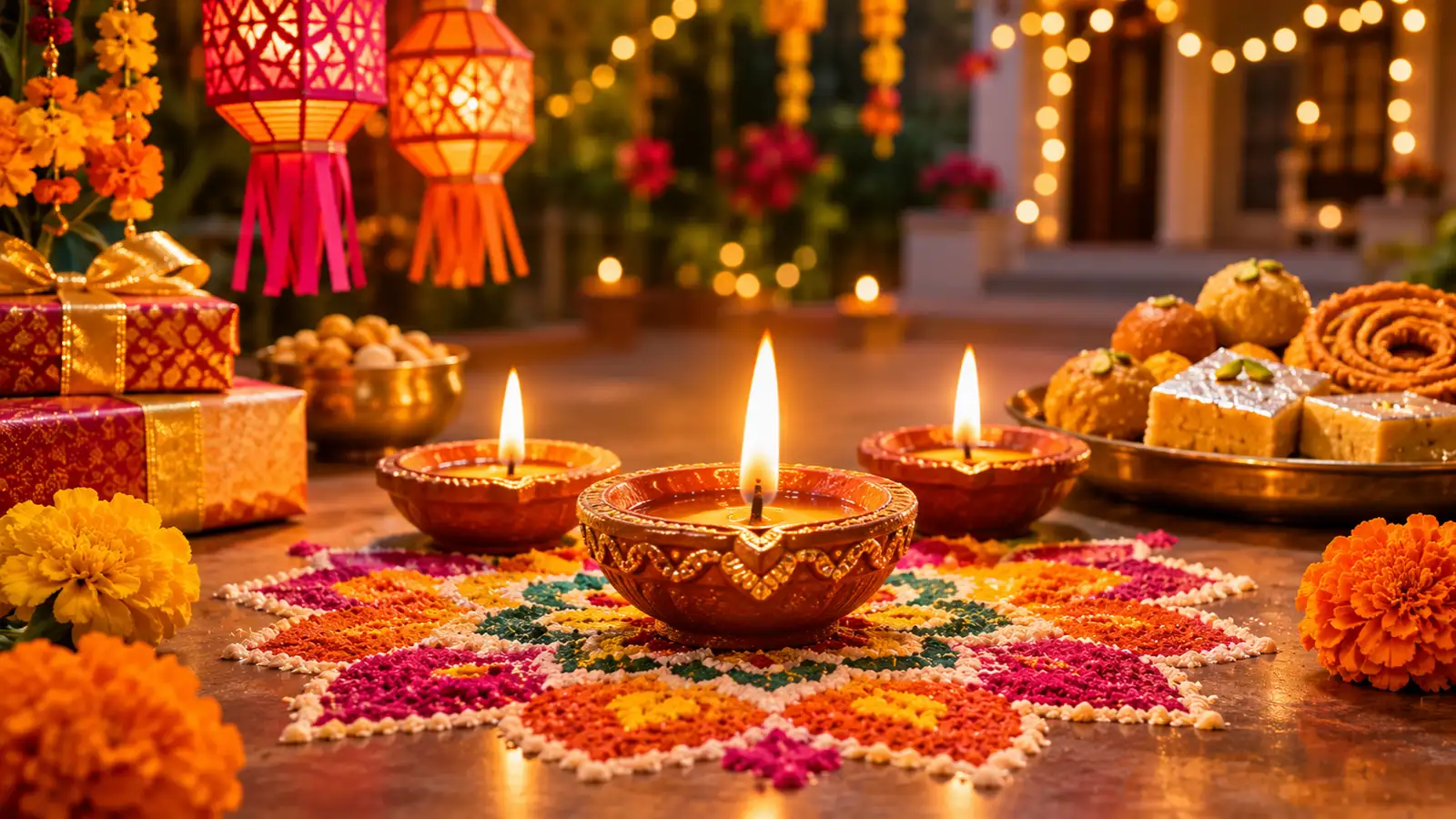
Although the central spirit of Diwali remains the same, different Indian communities have their own traditions, rituals and beliefs associated with the festival. Here's a look at how Diwali is celebrated across different parts of India.
Families clean and decorate their homes, light diyas, create colourful rangolis and worship Goddess Lakshmi and Lord Ganesha. Firecrackers, exchanging sweets and visiting friends and relatives are also common parts of Diwali celebrations in North India.
Before the festival, homes and businesses are cleaned and decorated. On Diwali, families perform Lakshmi Puja and seek blessings for prosperity and good fortune. Business owners also worship their account books and begin a fresh financial year with hopes of success. Exchanging sweets, wearing new clothes and visiting loved ones are important parts of the celebrations.
Families celebrate Dhanteras, Naraka Chaturdashi, Lakshmi Puja, Padwa and Bhai Dooj. A special feature of Maharashtrian Diwali is the preparation of faral, a collection of traditional homemade snacks and sweets such as chakli, karanji, ladoos and chivda. These delicacies are shared with family, friends and neighbours.
Unlike the elaborate evening celebrations seen in many parts of North India, Diwali festivities in South India often begin early in the morning. Families wake up before sunrise, take an oil bath, wear new clothes and light lamps. The day is also marked by special prayers, exchanging sweets and preparing traditional festive dishes. In states such as Tamil Nadu, Karnataka and Andhra Pradesh, the early morning oil bath is an important Diwali tradition.
Elaborate pandals and beautifully decorated idols of Goddess Kali are set up, and devotees gather to offer prayers. Homes are decorated with earthen lamps and candles, while special pujas are organised throughout the night. Kali Puja is also celebrated in parts of Assam and Odisha, making it an important regional tradition associated with Diwali.
According to Sikh history, Guru Hargobind Sahib Ji secured the release of 52 imprisoned kings along with his own release. His return to Amritsar was celebrated by lighting lamps at the Golden Temple. Today, Bandi Chhor Divas is marked by prayers at gurdwaras, kirtans, community gatherings and the illumination of the Golden Temple. The occasion represents freedom, justice and compassion.
According to Jain tradition, Lord Mahavira attained moksha at Pavapuri on Diwali. His followers commemorate the occasion through prayers, meditation and visits to Jain temples. Lighting lamps is also symbolic, representing the spiritual light and knowledge associated with Lord Mahavira's teachings. For Jains, Diwali is therefore a time to reflect on non-violence, truth and spiritual enlightenment.
These diverse Diwali traditions reflect India's cultural richness and show how one festival can bring together different communities through shared celebrations, family gatherings and age-old customs.
Although the central spirit of Diwali remains the same, different Indian communities have their own traditions, rituals and beliefs associated with the festival. Here's a look at how Diwali is celebrated across different parts of India.
1. North Indian Communities: Celebrating the Return of Lord Rama
In many North Indian communities, Diwali is celebrated to mark the return of Lord Rama, Goddess Sita and Lord Lakshmana to Ayodhya after 14 years of exile and their victory over Ravana. According to the Ramayana, the people of Ayodhya welcomed them by lighting rows of earthen lamps, a tradition that continues to this day.Families clean and decorate their homes, light diyas, create colourful rangolis and worship Goddess Lakshmi and Lord Ganesha. Firecrackers, exchanging sweets and visiting friends and relatives are also common parts of Diwali celebrations in North India.
2. Gujarati Communities: Welcoming the New Year
For Gujarati communities, Diwali is not just a festival of lights but also marks the end of the old financial year and the beginning of a new one. The day after Diwali, known as Bestu Varas, is celebrated as the Gujarati New Year.Before the festival, homes and businesses are cleaned and decorated. On Diwali, families perform Lakshmi Puja and seek blessings for prosperity and good fortune. Business owners also worship their account books and begin a fresh financial year with hopes of success. Exchanging sweets, wearing new clothes and visiting loved ones are important parts of the celebrations.
3. Maharashtrian Communities: Celebrations Begin with Vasu Baras
In Maharashtra, Diwali celebrations traditionally begin with Vasu Baras, a day dedicated to worshipping cows and their calves. The festival continues over several days, with each day having its own significance.Families celebrate Dhanteras, Naraka Chaturdashi, Lakshmi Puja, Padwa and Bhai Dooj. A special feature of Maharashtrian Diwali is the preparation of faral, a collection of traditional homemade snacks and sweets such as chakli, karanji, ladoos and chivda. These delicacies are shared with family, friends and neighbours.
4. South Indian Communities: Celebrating the Victory Over Narakasura
In several South Indian communities, Diwali is primarily associated with Lord Krishna's victory over the demon Narakasura. According to Hindu mythology, Narakasura was defeated by Lord Krishna, symbolising the triumph of good over evil.Unlike the elaborate evening celebrations seen in many parts of North India, Diwali festivities in South India often begin early in the morning. Families wake up before sunrise, take an oil bath, wear new clothes and light lamps. The day is also marked by special prayers, exchanging sweets and preparing traditional festive dishes. In states such as Tamil Nadu, Karnataka and Andhra Pradesh, the early morning oil bath is an important Diwali tradition.
5. Bengali Communities: Worshipping Goddess Kali
In Bengal, Diwali celebrations are closely associated with Kali Puja , which is dedicated to Goddess Kali. Unlike many other parts of India, where Goddess Lakshmi is the central deity worshipped on Diwali night, Bengali communities traditionally worship Goddess Kali during the festival.Elaborate pandals and beautifully decorated idols of Goddess Kali are set up, and devotees gather to offer prayers. Homes are decorated with earthen lamps and candles, while special pujas are organised throughout the night. Kali Puja is also celebrated in parts of Assam and Odisha, making it an important regional tradition associated with Diwali.
6. Sikh Communities: Celebrating Bandi Chhor Divas
For Sikh communities, Diwali coincides with the celebration of Bandi Chhor Divas, which commemorates the release of Guru Hargobind Sahib Ji, the sixth Sikh Guru, from imprisonment at Gwalior Fort.According to Sikh history, Guru Hargobind Sahib Ji secured the release of 52 imprisoned kings along with his own release. His return to Amritsar was celebrated by lighting lamps at the Golden Temple. Today, Bandi Chhor Divas is marked by prayers at gurdwaras, kirtans, community gatherings and the illumination of the Golden Temple. The occasion represents freedom, justice and compassion.
7. Jain Communities: Celebrating Lord Mahavira's Nirvana
For Jain communities, Diwali holds a special religious significance as it marks the nirvana, or spiritual liberation, of Lord Mahavira, the 24th Tirthankara of Jainism.According to Jain tradition, Lord Mahavira attained moksha at Pavapuri on Diwali. His followers commemorate the occasion through prayers, meditation and visits to Jain temples. Lighting lamps is also symbolic, representing the spiritual light and knowledge associated with Lord Mahavira's teachings. For Jains, Diwali is therefore a time to reflect on non-violence, truth and spiritual enlightenment.
One Festival, Many Traditions
Diwali may be celebrated differently across India, but its underlying message of hope, positivity and the victory of good over evil remains universal. Whether it is lighting diyas in North India, celebrating the Gujarati New Year, worshipping Goddess Kali in Bengal or observing Bandi Chhor Divas among Sikhs, each community brings its own history and cultural identity to the festival.These diverse Diwali traditions reflect India's cultural richness and show how one festival can bring together different communities through shared celebrations, family gatherings and age-old customs.
Next Story