
How Tithi, Nakshatra, and Udaya Vyapi Dictate Hindu Fasting and Festival Rules


In the rich tapestry of Indian culture and Vedic traditions, festivals and fasts (Vrats) are not merely celebratory occasions; they are sacred milestones calibrated strictly according to ancient astronomical calculations and lunar cycles. Every year, millions of devout families across India and cultural hubs in Uttar Pradesh find themselves questioning why certain festivals span two days or why fasting dates occasionally shift by a day.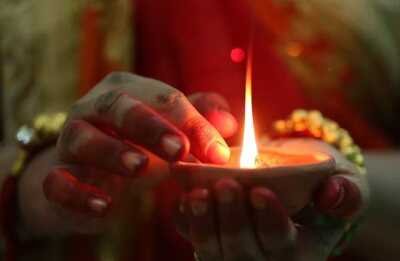 The answer lies in the intricate science of Hindu Panchang, where time is measured through precise planetary alignments, lunar days (Tithis), solar movements, and specific time windows (Kals). Understanding how these sacred rules determine festival dates is essential for observing rituals accurately and reaping their complete spiritual benefits. This comprehensive guide explores the fascinating astrological rules and scriptural principles governing our festivals and fasts.The Foundation of the Panchang: Understanding Tithis and Lunar DaysAt the heart of every Hindu festival decision is the Tithi, which represents the lunar day calculated based on the angular distance between the sun and the moon.Unlike standard Gregorian calendar days governed by the solar clock, lunar days fluctuate in duration, sometimes lasting less than 24 hours. Astrologers meticulously track these waxing (Shukla Paksha) and waning (Krishna Paksha) phases to pinpoint the exact moment a sacred energy window opens. Whether it is the auspicious glow of Ekadashi, the deep stillness of Amavasya, or the radiant peak of Purnima, the tithi acts as the primary anchor for ritual timing.The Power of Udaya Tithi: Why Sunrise Dictates Our Daily VratsOne of the most fundamental rules in determining fasting dates is the concept of Udaya Tithi—the lunar tithi prevailing at the time of sunrise (Suryodaya).According to ancient Vedic scriptures, a day (Divas) formally begins with the rising of the sun. If a specific tithi is active at sunrise on a given morning, that entire day is generally dedicated to observing fasts or festivals associated with that deity, even if the tithi changes later in the evening. This golden rule ensures consistency across different geographical locations and prevents confusion among devotees observing strict scriptural disciplines.Navigating Complex Time Windows: The Crucial Role of Abhijit Muhurta and Nishita KaalWhile Udaya Tithi guides general daytime fasts, certain monumental festivals—such as Mahashivratri, Janmashtami, Diwali, and Navratri—depend heavily on specialized nocturnal or twilight time windows known as Kals.For instance, Janmashtami fasting requires calculating the midnight (Nishita Kaal) appearance of Rohini Nakshatra and the Ashtami tithi, while Diwali Laxmi Pujan demands precise Pradosh Kaal or Amavasya night alignments. Astrologers and temple priests analyze these overlapping temporal vectors to declare the exact muhurta, ensuring that prayers and offerings are made when celestial energies are at their absolute zenith.The Science Behind Date Variations: Why Festivals Seem to Shift Across RegionsEver wondered why a major festival like Holi, Diwali, or Karwa Chauth is celebrated on slightly different days in various parts of the country or across different calendars? This variance is caused by geographical longitude, local sunrise times, and the exact moment tithis transition across time zones.Ancient sages factored these minute astronomical shifts into their calculations, allowing regional Panchangs (such as the Drik Panchang, Vridha Vasishtha Siddhanta, or local Varanasi calendars) to maintain absolute mathematical and spiritual accuracy tailored to specific regional coordinates.Preserving Ancient Wisdom in Modern Times: Embracing Festival Rules with FaithIn today’s fast-paced digital era, relying blindly on generic calendar apps without understanding the underlying Vedic timekeeping principles can lead to ritual discrepancies.Consulting knowledgeable astrologers, temple priests, or authenticated Panchangs ensures that your fasts and festivals are observed with utmost precision. By honoring the profound science of Tithi, Nakshatra, and sacred timing, devotees align their spiritual journeys with the cosmic rhythm of the universe, unlocking peace, prosperity, and divine grace.
Next Story