
Maha Shivratri 2026: How Maha Shivratri Is Different From Shivratri and Why It Matters

Maha Shivratri 2026 is one of the most sacred Hindu festivals dedicated to Lord Shiva and holds far deeper spiritual significance than a regular Shivratri. Observed towards the end of winter, this powerful night symbolises divine union, inner awakening and spiritual discipline. In 2026, devotees across India will observe Maha Shivratri on February 15 with fasting, night-long prayers and rituals.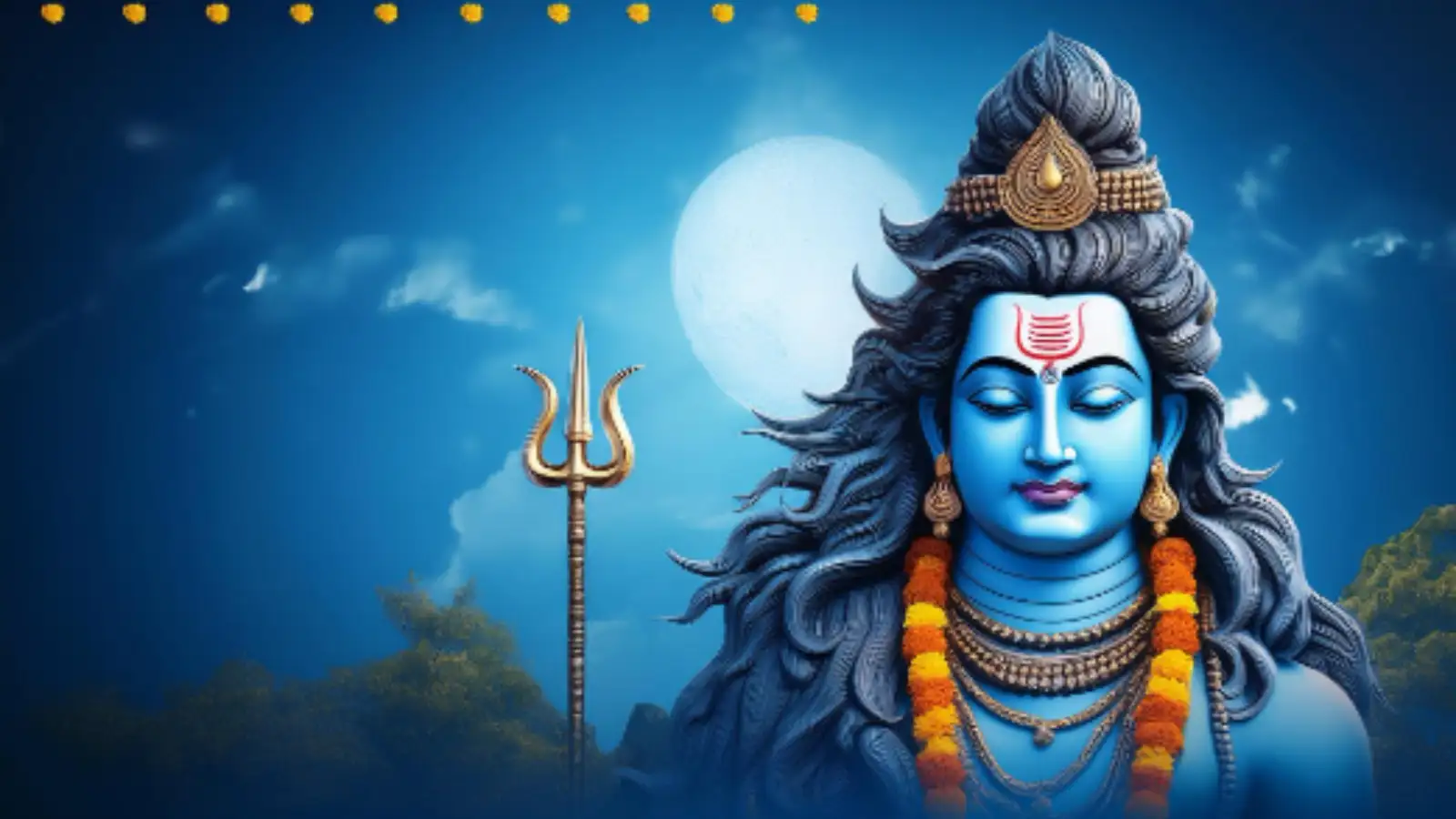
While Shivratri and Maha Shivratri may sound similar, they are not the same. Here’s a clear and simple explanation of how the two differ and why Maha Shivratri stands out.
Maha Shivratri, however, is the most powerful of all Shivratris:
It is believed that intense spiritual energy is active on this night, making meditation and fasting highly rewarding.
Maha Shivratri 2026 and the Impact of Bhadra Kaal
Astrological calculations indicate the presence of Bhadra Kaal during Maha Shivratri 2026.
According to Hindu astrology, no auspicious activities should be performed during Bhadra. Devotees are advised to plan puja timings carefully and follow traditional guidelines while observing rituals.
Nirjala Vrat
Phalahara Vrat
Samapta Vrat
Cereal Grains
Onion and Garlic
Regular Table Salt
Spicy Foods
Non-Vegetarian Food
By understanding the difference between Shivratri and Maha Shivratri 2026, devotees can observe the festival with greater awareness and spiritual intent.
While Shivratri and Maha Shivratri may sound similar, they are not the same. Here’s a clear and simple explanation of how the two differ and why Maha Shivratri stands out.
Maha Shivratri vs Shivratri: What Is the Real Difference?
- Shivratri, also known as Masik Shivratri, occurs once every month.
- It is observed on the Chaturdashi tithi of Krishna Paksha each lunar month.
- Devotees worship Lord Shiva and Goddess Parvati, seeking blessings for peace and prosperity.
Maha Shivratri, however, is the most powerful of all Shivratris:
- It occurs once a year in the Hindu month of Falgun.
- It is considered the most spiritually significant among the 12 Shivratris.
- The day marks the divine marriage of Lord Shiva and Goddess Parvati.
It is believed that intense spiritual energy is active on this night, making meditation and fasting highly rewarding.
Maha Shivratri 2026 and the Impact of Bhadra Kaal
Astrological calculations indicate the presence of Bhadra Kaal during Maha Shivratri 2026.
- Bhadra begins: February 15 at around 5:04 pm
- Bhadra ends: February 16 at approximately 5:23 am
According to Hindu astrology, no auspicious activities should be performed during Bhadra. Devotees are advised to plan puja timings carefully and follow traditional guidelines while observing rituals.
Types of Fasting Observed on Maha Shivratri
Devotees can choose a fasting method based on health and personal devotion:Nirjala Vrat
- The strictest form of fasting
- No food or water throughout the day and night
- Observed by dedicated Shiva devotees
Phalahara Vrat
- Allows fruits, water, coconut water, milk, lassi and unsalted dry fruits
- Suitable for those unable to follow Nirjala fasting
Samapta Vrat
- Includes phalahara foods along with one simple meal
- Popular food options include kheer, makhana kheer, jaggery sweets or sooji halwa
Foods to Avoid During Maha Shivratri Fasting
To maintain purity and spiritual discipline, certain foods are strictly avoided:Cereal Grains
- Rice, wheat, pulses and regular flours are not consumed
- Sabudana or sattu flour are preferred alternatives
Onion and Garlic
- Considered tamasic in nature
- Completely avoided during fasting
Regular Table Salt
- Iodised salt is avoided
- Sendha namak (rock salt) is allowed
Spicy Foods
- Heavy spices can disturb digestion and mental balance
- Mild, sattvic food is recommended
Non-Vegetarian Food
- All forms of non-vegetarian dishes are strictly prohibited
Why Maha Shivratri Holds Special Importance
Maha Shivratri is not just about fasting - it is about spiritual awakening, self-discipline and devotion. Unlike regular Shivratri, this sacred night is believed to bring devotees closer to Lord Shiva, helping them overcome negativity and attain inner peace.By understanding the difference between Shivratri and Maha Shivratri 2026, devotees can observe the festival with greater awareness and spiritual intent.
Next Story