
Navratri 2026: 9 Days, 9 Forms Of Goddess Durga And The Powerful Meaning Behind Each One

Navratri is among the most widely observed Hindu festivals, celebrated over nine nights in devotion to different forms of Goddess Durga. In 2026, Sharad Navratri begins on October 11 and continues through October 19, with Vijayadashami following on October 20.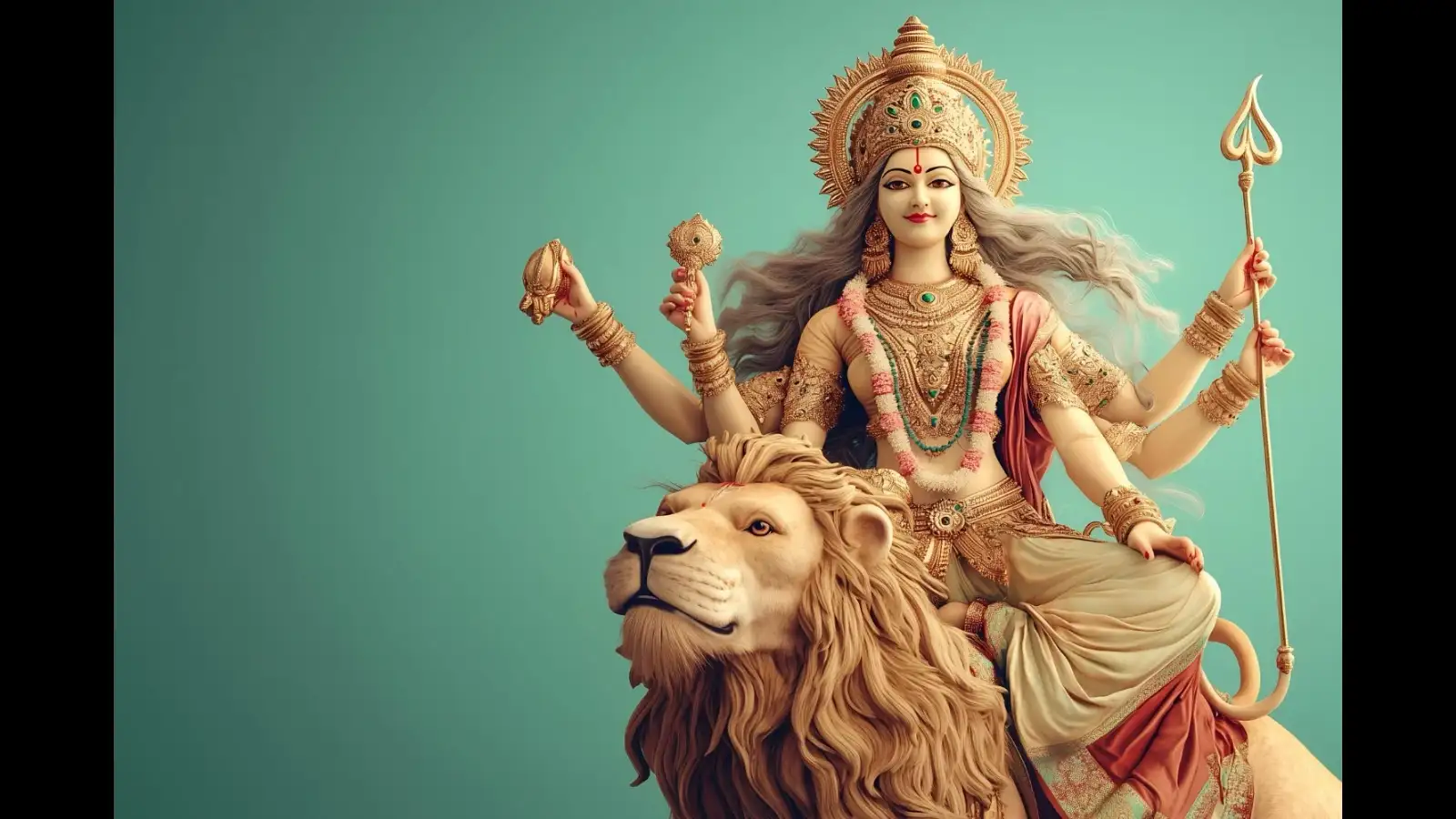
Each of the nine days is traditionally associated with one form of Navadurga , and devotees worship these manifestations for qualities ranging from strength and discipline to wisdom and spiritual fulfilment. The sequence gives the festival a deeper devotional meaning, presenting the Goddess through distinct aspects while reflecting the broader theme of overcoming negativity and seeking inner strength within life today.
The nine forms together give Navratri a symbolic progression: from grounded beginnings and disciplined devotion to courage, protection, purification and spiritual fulfilment. Sharad Navratri concludes with Vijayadashami, reinforcing the festival's enduring theme of the triumph of good over evil.
Each of the nine days is traditionally associated with one form of Navadurga , and devotees worship these manifestations for qualities ranging from strength and discipline to wisdom and spiritual fulfilment. The sequence gives the festival a deeper devotional meaning, presenting the Goddess through distinct aspects while reflecting the broader theme of overcoming negativity and seeking inner strength within life today.
Day 1: Shailaputri
Shailaputri, regarded as the daughter of the Himalayas, is worshipped on the first day. She is associated with steadiness, purity and the strength to begin a spiritual journey.Day 2: Brahmacharini
Brahmacharini represents devotion, austerity and determination. Her worship is traditionally linked with patience and the ability to remain committed to a chosen path despite difficulties.Day 3: Chandraghanta
Shown with a crescent moon on her forehead, Chandraghanta is associated with courage and protection. Her form represents readiness to confront fear and stand against negative forces.Day 4: Kushmanda
Kushmanda is traditionally connected with creative energy and the origin of cosmic life. Devotees associate this form with vitality, warmth and the sustaining power of the Goddess.Day 5: Skandamata
Skandamata, the mother of Skanda or Kartikeya, represents motherhood, compassion and protective strength. Her worship highlights the nurturing aspect of divine feminine power.Day 6: Katyayani
Katyayani is a warrior form of Durga and is associated with courage, justice and the destruction of evil. She symbolises decisive action when faced with adversity.Day 7: Kalaratri
Kalaratri is the fierce form among the Navadurga and is traditionally invoked for protection from fear and negativity. Her dark appearance reflects the formidable side of Shakti.Day 8: Mahagauri
Mahagauri is associated with purity, serenity and spiritual cleansing. Her worship is often understood as a reminder to move towards peace, clarity and inner renewal.Day 9: Siddhidatri
Siddhidatri, worshipped on the final day, is linked with spiritual accomplishment and the granting of siddhis, or supernatural attainments. Her form represents completion, wisdom and fulfilment.The nine forms together give Navratri a symbolic progression: from grounded beginnings and disciplined devotion to courage, protection, purification and spiritual fulfilment. Sharad Navratri concludes with Vijayadashami, reinforcing the festival's enduring theme of the triumph of good over evil.
Next Story