
Chaitra Navratri 2026: Day-Wise Goddess Names, Powers, and Spiritual Significance

Navratri is a festival that celebrates the divine feminine energy over nine days, offering a journey of devotion, inner reflection, and personal growth. Each day honours a distinct form of Goddess Durga, collectively known as the NavaDurga , and each form represents unique qualities strength, discipline, courage, nurturing, wisdom, and spiritual awakening. Understanding these forms helps devotees connect deeply with the festival and its timeless spiritual lessons.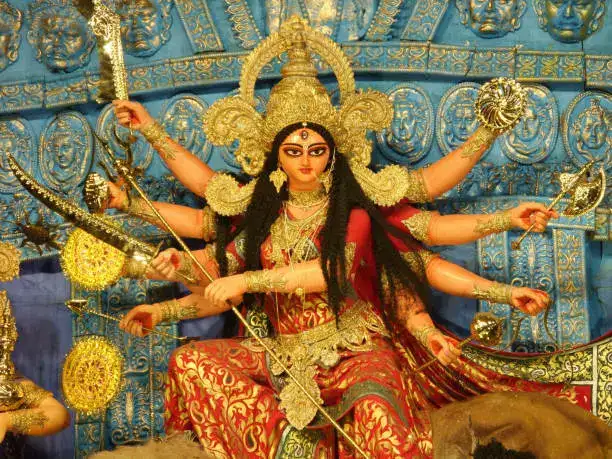
Here’s a detailed guide to all nine forms of Durga, their significance, colours, flowers, and how devotees can honour them during Navratri.
Day 1: Shailaputri
Shailaputri, the daughter of the Himalayas, marks the beginning of Navratri. She represents purity, stability, and spiritual awakening. Depicted riding a bull and holding a trident and lotus, she blesses devotees with inner strength and clarity. Her favourite colour is orange, and hibiscus is offered to her. Worshipping Shailaputri sets a foundation of devotion and grounding for the festival.
Day 2: Brahmacharini
Brahmacharini embodies devotion, patience, and self-discipline. She represents the state of dedication before union with the divine, exemplified by her penance for Lord Shiva. Walking barefoot with a japamala and kamandalu in hand, she teaches focus, simplicity, and inner strength. Her favourite colour is white, and devotees offer chrysanthemums.
Day 3: Chandraghanta
Chandraghanta is the fierce yet peaceful warrior form of Durga. Dressed in red and riding a tiger, she carries weapons like the sword, trident, and bow. She removes fear, restores calmness, and inspires courage. Her favourite colours are gold and yellow, and marigold and sunflower offerings please her. Worshipping her helps devotees overcome obstacles and negative energies.
Day 4: Kushmanda
Kushmanda, the creator of the universe, radiates vitality, energy, and positivity. With eight arms holding weapons, chanting beads, and a pot of nectar, she signifies spiritual power and life force. Her royal blue colour represents strength and prosperity, and jasmine flowers are offered to her. She inspires confidence, creativity, and optimism.
Day 5: Skandamata
Skandamata reflects a mother’s love and protection. Riding a lion and holding her son Kartikeya, she blesses devotees with courage, fortune, and nurturing energy. Her four arms signify the caring nature of a mother, while her favourite colour is yellow, and yellow roses are offered. Worshipping her brings emotional balance and family harmony.
Day 6: Katyayani
Katyayani is a fierce warrior form, symbolising self-realisation and detachment. She guides devotees to understand their true selves beyond the physical body and ego. Her favourite colour is green, symbolising growth and peace. Devotees offer marigolds while seeking strength, courage, and the removal of obstacles in life.
Day 7: Kalaratri
Kalaratri is the destroyer of darkness and evil, with a powerful and intense form. Riding a donkey and wielding a sword and thunderbolt, she removes ignorance and fear. Her grey colour represents her destructive yet protective energy. Krishna Kamal flowers are offered to seek her blessings for courage and safety.
Day 8: Mahagauri
Mahagauri embodies purity, compassion, and forgiveness. Riding a bull and holding a trident, damru, and blessings, she removes sufferings and grants wisdom, success, and peace. Her favourite colour is purple, and devotees offer mogra flowers. Worshipping Mahagauri instils clarity, calmness, and spiritual growth.
Day 9: Siddhidatri
Siddhidatri, worshipped on the final day, is the goddess of supernatural powers and enlightenment. She grants siddhis (spiritual achievements), wisdom, and the ability to overcome limitations. Seated on a lotus or lion, she holds a lotus, mace, chakra, and conch. Peacock green is her colour, and champa flowers are offered. Devotees achieve spiritual excellence by honouring her.
Each day offers an opportunity to connect with inner strength, let go of negativity, and embrace virtues that lead to balance, clarity, and personal growth.
How to Celebrate Navratri Meaningfully
Even simple practices can make your Navratri devotionful and fulfilling:
Navratri is not only a celebration of the divine but also a path toward personal transformation. By honouring each form of Durga, devotees nurture strength, devotion, and wisdom in their own lives.
Here’s a detailed guide to all nine forms of Durga, their significance, colours, flowers, and how devotees can honour them during Navratri.
Day 1: Shailaputri
Shailaputri, the daughter of the Himalayas, marks the beginning of Navratri. She represents purity, stability, and spiritual awakening. Depicted riding a bull and holding a trident and lotus, she blesses devotees with inner strength and clarity. Her favourite colour is orange, and hibiscus is offered to her. Worshipping Shailaputri sets a foundation of devotion and grounding for the festival.Day 2: Brahmacharini
Brahmacharini embodies devotion, patience, and self-discipline. She represents the state of dedication before union with the divine, exemplified by her penance for Lord Shiva. Walking barefoot with a japamala and kamandalu in hand, she teaches focus, simplicity, and inner strength. Her favourite colour is white, and devotees offer chrysanthemums. Day 3: Chandraghanta
Chandraghanta is the fierce yet peaceful warrior form of Durga. Dressed in red and riding a tiger, she carries weapons like the sword, trident, and bow. She removes fear, restores calmness, and inspires courage. Her favourite colours are gold and yellow, and marigold and sunflower offerings please her. Worshipping her helps devotees overcome obstacles and negative energies.Day 4: Kushmanda
Kushmanda, the creator of the universe, radiates vitality, energy, and positivity. With eight arms holding weapons, chanting beads, and a pot of nectar, she signifies spiritual power and life force. Her royal blue colour represents strength and prosperity, and jasmine flowers are offered to her. She inspires confidence, creativity, and optimism. Day 5: Skandamata
Skandamata reflects a mother’s love and protection. Riding a lion and holding her son Kartikeya, she blesses devotees with courage, fortune, and nurturing energy. Her four arms signify the caring nature of a mother, while her favourite colour is yellow, and yellow roses are offered. Worshipping her brings emotional balance and family harmony. Day 6: Katyayani
Katyayani is a fierce warrior form, symbolising self-realisation and detachment. She guides devotees to understand their true selves beyond the physical body and ego. Her favourite colour is green, symbolising growth and peace. Devotees offer marigolds while seeking strength, courage, and the removal of obstacles in life. Day 7: Kalaratri
Kalaratri is the destroyer of darkness and evil, with a powerful and intense form. Riding a donkey and wielding a sword and thunderbolt, she removes ignorance and fear. Her grey colour represents her destructive yet protective energy. Krishna Kamal flowers are offered to seek her blessings for courage and safety.You may also like
- Quote of the day from Ramayana: "No one can change the direction of the wind, but one can adjust the sails to reach the destination"
- Quote of the day by Buddha: "Health is the greatest gift, contentment the greatest wealth"
- Quote of the day from the Bhagavad Gita: Among all kinds of killers, time is the ultimate because time kills everything
- Quote of the day from Mahabharata: A wise man rejoices in what he has, not grieves over what he lacks
- Quote of the day from Ramayan: No one is without faults.
Day 8: Mahagauri
Mahagauri embodies purity, compassion, and forgiveness. Riding a bull and holding a trident, damru, and blessings, she removes sufferings and grants wisdom, success, and peace. Her favourite colour is purple, and devotees offer mogra flowers. Worshipping Mahagauri instils clarity, calmness, and spiritual growth. Day 9: Siddhidatri
Siddhidatri, worshipped on the final day, is the goddess of supernatural powers and enlightenment. She grants siddhis (spiritual achievements), wisdom, and the ability to overcome limitations. Seated on a lotus or lion, she holds a lotus, mace, chakra, and conch. Peacock green is her colour, and champa flowers are offered. Devotees achieve spiritual excellence by honouring her. Spiritual Journey Through NavaDurga
The nine forms of Durga represent a journey from material stability to spiritual enlightenment:- Shailaputri: Spiritual grounding and devotion
- Brahmacharini: Discipline and sacrifice
- Chandraghanta: Courage and protection
- Kushmanda: Vitality and positivity
- Skandamata: Nurturing and love
- Katyayani: Strength and self-realisation
- Kalaratri: Courage and destruction of negativity
- Mahagauri: Purity, peace, and compassion
- Siddhidatri: Wisdom and spiritual fulfilment
Each day offers an opportunity to connect with inner strength, let go of negativity, and embrace virtues that lead to balance, clarity, and personal growth.
How to Celebrate Navratri Meaningfully
Even simple practices can make your Navratri devotionful and fulfilling:- Daily Puja: Clean your home and altar, light a ghee lamp, and perform yagna or prayers.
- Offerings: Present fresh flowers, fruits, sweets, and dry fruits. On the ninth day, include prasadam.
- Fasting: Many devotees fast for nine days for spiritual cleansing. Options include fruits, milk products, or a single meal if health requires.
- Chanting: Recite or listen to Durga mantras daily to enhance spiritual connection.
Navratri is not only a celebration of the divine but also a path toward personal transformation. By honouring each form of Durga, devotees nurture strength, devotion, and wisdom in their own lives.






More from our partners


Loving Newspoint? Download the app now
