
Not Just Beauty: The Sacred Power of Solah Shringar and Mehndi on Karwa Chauth Explained


In Sanatan tradition, the ancient practice of Solah Shringar (sixteen sacred adornments) observed by married women transcends mere cosmetic beauty or festive dressing. On the sacred occasion of Karwa Chauth, celebrated on October 29, 2026, these sixteen adornments acquire profound spiritual and metaphysical significance, representing divine invocation, energetic balance, and prayers for the husband's long life and prosperous destiny.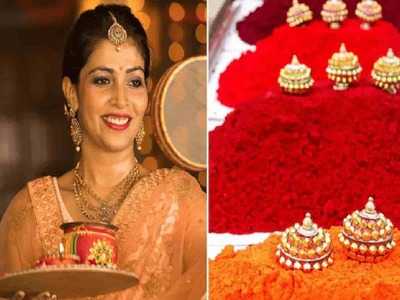 Deeply associated with the divine attributes of Goddess Parvati (Mata Gauri), every element worn from head to toe functions as an auspicious shield (Akhand Saubhagya Kavach). Scriptural lore dictates that a woman's Nirjala fast remains incomplete without adorning her hands with auspicious herbal henna and embracing these consecrated symbols of marital unity.Why Mehndi Holds Supreme Spiritual Power on Karwa ChauthHenna adornment is treated as a non-negotiable spiritual prerequisite for the festival:Invocator of Akhand Saubhagya: In Vedic rituals, mehndi is not a temporary dye but a sacred herb blessed with cooling botanical energies that calms the mind during a waterless fast and channels divine grace.Deepening Marital Affection: Traditional belief holds that the richer and darker the imprint of henna on a woman's palms, the deeper the bond of love, mutual respect, and prosperity shared between husband and wife.Completing the Fasting Ritual: In Hindu scriptures, performing the Karwa Chauth puja with bare, unadorned hands is considered incomplete; applying intricate mehndi patterns ensures the full spiritual fruit of the Nirjala penance.The 16 Sacred Adornments of Solah Shringar: Complete Spiritual BreakdownEach of the sixteen components of Solah Shringar embodies a distinct protective, emotional, and astrological purpose:Sindoor (Vermilion): Applied prominently in the hair parting, vermilion represents the fiery life-force of Goddess Parvati and serves as an invocation for the husband's longevity and health.Bindi (Forehead Dot): Positioned over the Ajna Chakra (third eye), the red bindi channels mental concentration, retaining spiritual vitality and signaling auspicious domestic harmony.Kajal (Kohl): Applied along the waterline of the eyes, natural black kohl enhances visual elegance while serving as an ancient talisman to shield the marital union from negative energies and the evil eye (Buri Nazar).Mehndi (Henna): The herbal artwork adorning palms and feet radiates peace, vitality, and marital longevity, anchoring the domestic atmosphere in warmth and goodwill.Glass Bangles (Choodiyan): The rhythmic jingling of red and green glass bangles generates protective acoustic vibrations that dispel disharmony and attract financial abundance.Mangalsutra (Sacred Thread): Composed of black beads and gold, the sacred necklace symbolizes the divine marriage vows, repelling malefic planetary influences and uniting two souls across life's journey.Maang Tikka: Resting precisely on the center of the forehead, this delicate jewel balances the intellect and regulates thought, ensuring calm decision-making in the household.Necklaces (Haar): Worn around the neck close to the heart, ornate necklaces draw divine grace to the Anahata Chakra, cultivating boundless love, compassion, and inner serenity.Toe Rings (Bichhiya): Typically crafted from pure silver, toe rings on the second toe stimulate reproductive nerves and ground bio-magnetic energy, acting as the ultimate marker of a married Hindu woman.Bajubandh (Armlet): Adorning the upper arm, this ornament symbolizes inner courage, physical resilience, and the strength to guard family virtues against external chaos.Kamarbandh (Waistband): Fastened securely around the waistline, the decorative chain aids posture, regulates energy flow, and signifies managerial control over household wealth.Anklets (Payal): The musical resonance of silver ghungroos on payals is believed to invite the steps of Goddess Lakshmi into the home, bringing peace, joy, and spiritual purity.Fresh Flower Gajra: Woven into the hair, fragrant jasmine or marigold blooms release soothing aromas that reduce stress and invoke floral purity within the relationship.Alta (Red Dye): Painting the edges of the feet with natural red alta honors the sacred role of the bride as the living manifestation of Griha Lakshmi.Red Saree / Attire: Radiating vibrant shakti, the red ensemble represents love, passion, and spiritual auspiciousness, making it the definitive color code for Karwa Chauth night.Nose Ring (Nath) and Earrings (Karnaphool): The nath is indispensable during Karwa Chauth rituals, as tradition mandates offering Arghya to the Moon while wearing the nose ring, complemented by earrings that harmonize hearing and speech.
Next Story