
5 Sacred Places in India Where Families Perform Pind Daan

Pitru Paksha 2026 will begin on 27 September and continue until 10 October, with Sarva Pitru Amavasya marking the final day. Some Hindu calendars also observe Purnima Shraddha on 26 September, which is why different sources may mention 26 September as the beginning of the wider Shraddha period. During these days, Hindu families traditionally remember their ancestors and perform rituals such as Shraddha, Tarpan and Pind Daan.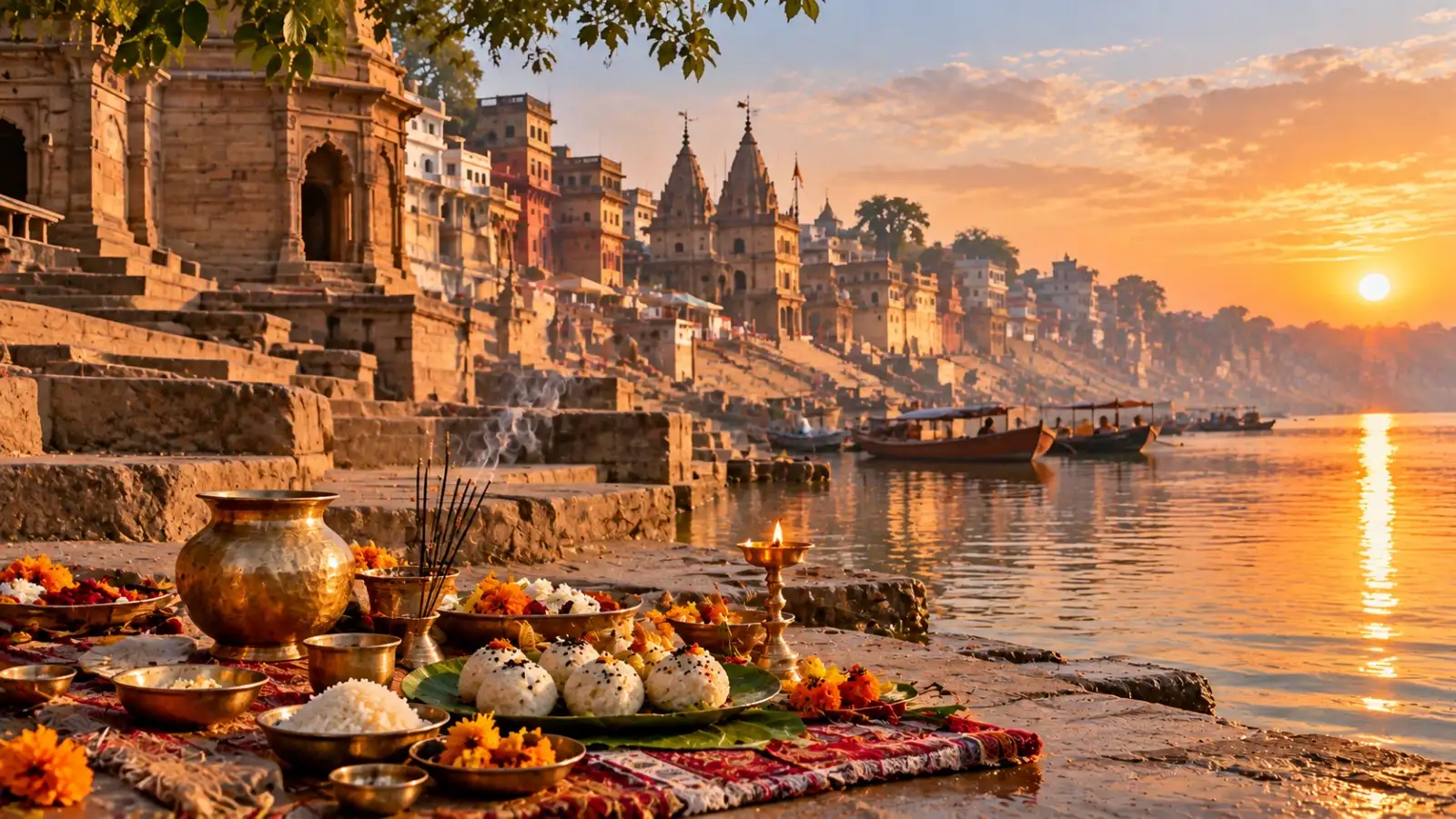
Pind Daan is a traditional Hindu ancestral ritual in which symbolic offerings, known as pindas, are made in remembrance of departed family members. Many families believe that performing these rites at sacred pilgrimage sites has special religious significance. The exact procedure, materials and customs can vary according to family traditions, regional practices and the guidance of priests.
India has several pilgrimage centres associated with ancestral rites, but some have become particularly well known for Pind Daan. From Gaya in Bihar to Siddhpur in Gujarat, these places attract families seeking to honour their ancestors during Pitru Paksha and on other occasions.
The Phalgu River is particularly significant in the religious traditions surrounding Gaya. Families traditionally perform Tarpan and Pind Daan along the river under the guidance of local priests. Vishnupad Temple is another central pilgrimage site, and the traditions associated with Gaya are connected with several stories from Hindu religious literature.
According to traditional belief, Lord Rama performed Pind Daan for his father, King Dasharatha, at Gaya. The story of Sita performing Pind Daan at the Phalgu River is also an important part of the religious traditions associated with the city. These beliefs have contributed to Gaya's longstanding importance as a destination for ancestral rituals.
During Pitru Paksha, families may come to Varanasi to perform Shraddha, Tarpan and Pind Daan according to their family customs. Various ghats have associations with ancestral rituals, although the exact location and procedure can differ depending on the ceremony being performed.
The riverfront is central to the experience. Offerings of water, prayers and other ritual materials are traditionally made under the guidance of priests. For families, the purpose is generally remembrance and the fulfilment of ancestral obligations rather than simply visiting a famous tourist attraction.
Varanasi's wider religious landscape also makes it possible for families to combine ancestral rituals with visits to temples and other sacred sites. However, visitors should remember that the ghats are living religious spaces and approach ongoing ceremonies with appropriate respect.
The Sangam has long attracted devotees for religious bathing, prayers and other rituals. During Pitru Paksha, families may visit the area to perform ancestral rites and make offerings according to their traditions.
The association between sacred rivers and ancestral remembrance is an important part of Hindu pilgrimage practices. Families performing rituals at Prayagraj may seek the guidance of local priests who are familiar with the procedures followed at the Sangam.
The experience can be especially significant during Pitru Paksha because the city combines the religious importance of the river confluence with a long history of pilgrimage. Visitors should check local arrangements and access conditions before travelling, particularly during periods when large numbers of devotees are expected.
Families visiting Haridwar for ancestral observances may perform prayers, Tarpan and other rites along the Ganga according to their traditions. Har Ki Pauri is the city's most famous ghat and remains an important place for pilgrims who come to the river for religious observances.
Haridwar's importance extends beyond Pitru Paksha. The city's ghats, temples and ashrams make it a year-round pilgrimage centre. The presence of the Ganga is central to its religious identity, and many visitors combine ancestral rituals with bathing, prayer and temple visits.
Those planning a Pitru Paksha visit should make arrangements in advance because the period can bring a significant increase in pilgrims. It is also advisable to confirm the ritual procedure and requirements with a trusted priest before beginning any ceremony.
The town is home to Bindu Sarovar, one of its most important sacred sites. According to Gujarat Tourism, traditional belief holds that offerings for paternal ancestors are associated with Gaya, while corresponding rites for maternal ancestors are performed at Siddhpur. The tradition is known as Matru Shraddh.
Rituals are traditionally performed around Bindu Sarovar and associated sacred sites, with priests guiding families through the ceremonies. The town is therefore particularly relevant for families whose ancestral observances include rituals dedicated to departed mothers and other maternal relatives.
Siddhpur offers a different experience from the larger pilgrimage cities. Its importance comes not from a vast riverfront or a major urban pilgrimage circuit, but from a specific and deeply rooted tradition connected with ancestral remembrance.
The exact method is not identical everywhere. Families may follow different customs depending on their regional background, religious tradition and the specific purpose of the ceremony. This is why visitors should not rely solely on generic online instructions when arranging an ancestral ritual.
The ceremony is fundamentally centred on remembrance and respect for departed family members. During Pitru Paksha, many families also observe Shraddha and Tarpan as part of their ancestral observances.
Gaya has a particularly strong association with Pind Daan, while Siddhpur has a distinctive connection with Matru Shraddh. Prayagraj's Sangam and Haridwar's Ganga are important pilgrimage settings, while Varanasi's ancient ghats form part of a much wider religious landscape.
These associations are matters of faith and tradition. The spiritual benefits attributed to Pind Daan should therefore be understood within the context of Hindu religious belief rather than as independently verifiable outcomes.
It is sensible to confirm the date and tithi applicable to the particular ancestor being remembered, as Shraddha is traditionally performed according to the lunar date associated with the person's death. Families should also discuss the ritual requirements with a knowledgeable priest before travelling.
Accommodation, transport and access to pilgrimage areas can become more difficult during the peak period. Checking official local information and making arrangements in advance can help families focus on the religious purpose of their visit.
Gaya remains one of the most prominent centres for the ritual, while Varanasi, Prayagraj and Haridwar connect ancestral observances with the sacred geography of the Ganga. Siddhpur offers a particularly distinctive tradition through its association with Matru Shraddh.
For families observing Pitru Paksha, the journey to these places is not simply a form of travel. It is a religious observance rooted in family memory, tradition and the desire to honour those who came before them.
Pind Daan is a traditional Hindu ancestral ritual in which symbolic offerings, known as pindas, are made in remembrance of departed family members. Many families believe that performing these rites at sacred pilgrimage sites has special religious significance. The exact procedure, materials and customs can vary according to family traditions, regional practices and the guidance of priests.
India has several pilgrimage centres associated with ancestral rites, but some have become particularly well known for Pind Daan. From Gaya in Bihar to Siddhpur in Gujarat, these places attract families seeking to honour their ancestors during Pitru Paksha and on other occasions.
Gaya, Bihar
Gaya is perhaps the most prominent pilgrimage destination in India associated with Pind Daan. During Pitru Paksha, the city receives large numbers of pilgrims who come to perform ancestral rites at sacred locations connected with the tradition. Bihar Tourism describes Gaya Ji as a major centre for Pind Daan and identifies the Phalgu River, Vishnupad Temple, Sita Kund and other locations among its important ritual sites.The Phalgu River is particularly significant in the religious traditions surrounding Gaya. Families traditionally perform Tarpan and Pind Daan along the river under the guidance of local priests. Vishnupad Temple is another central pilgrimage site, and the traditions associated with Gaya are connected with several stories from Hindu religious literature.
According to traditional belief, Lord Rama performed Pind Daan for his father, King Dasharatha, at Gaya. The story of Sita performing Pind Daan at the Phalgu River is also an important part of the religious traditions associated with the city. These beliefs have contributed to Gaya's longstanding importance as a destination for ancestral rituals.
Varanasi, Uttar Pradesh
Varanasi, also known as Kashi, has been one of India's most important Hindu pilgrimage cities for centuries. Situated along the Ganga, the city is known for its numerous ghats, temples and long-standing religious traditions. The district administration describes Varanasi as an important pilgrimage centre with a deep connection to Hindu spiritual traditions.During Pitru Paksha, families may come to Varanasi to perform Shraddha, Tarpan and Pind Daan according to their family customs. Various ghats have associations with ancestral rituals, although the exact location and procedure can differ depending on the ceremony being performed.
The riverfront is central to the experience. Offerings of water, prayers and other ritual materials are traditionally made under the guidance of priests. For families, the purpose is generally remembrance and the fulfilment of ancestral obligations rather than simply visiting a famous tourist attraction.
Varanasi's wider religious landscape also makes it possible for families to combine ancestral rituals with visits to temples and other sacred sites. However, visitors should remember that the ghats are living religious spaces and approach ongoing ceremonies with appropriate respect.
Prayagraj, Uttar Pradesh
Prayagraj occupies a major place in India's pilgrimage tradition because of the Sangam, the confluence of the Ganga, Yamuna and the traditionally revered Saraswati. The district administration describes Prayagraj as a major pilgrimage destination and refers to its ancient identity as Teerthraj, or the king of pilgrimage centres.The Sangam has long attracted devotees for religious bathing, prayers and other rituals. During Pitru Paksha, families may visit the area to perform ancestral rites and make offerings according to their traditions.
The association between sacred rivers and ancestral remembrance is an important part of Hindu pilgrimage practices. Families performing rituals at Prayagraj may seek the guidance of local priests who are familiar with the procedures followed at the Sangam.
The experience can be especially significant during Pitru Paksha because the city combines the religious importance of the river confluence with a long history of pilgrimage. Visitors should check local arrangements and access conditions before travelling, particularly during periods when large numbers of devotees are expected.
Haridwar, Uttarakhand
Haridwar is another major pilgrimage city on the banks of the Ganga. Uttarakhand Tourism describes it as one of India's most important Hindu pilgrimage destinations and highlights several sacred locations within the city, including Har Ki Pauri, Kankhal and other sites forming the traditional Panch Tirth.Families visiting Haridwar for ancestral observances may perform prayers, Tarpan and other rites along the Ganga according to their traditions. Har Ki Pauri is the city's most famous ghat and remains an important place for pilgrims who come to the river for religious observances.
Haridwar's importance extends beyond Pitru Paksha. The city's ghats, temples and ashrams make it a year-round pilgrimage centre. The presence of the Ganga is central to its religious identity, and many visitors combine ancestral rituals with bathing, prayer and temple visits.
Those planning a Pitru Paksha visit should make arrangements in advance because the period can bring a significant increase in pilgrims. It is also advisable to confirm the ritual procedure and requirements with a trusted priest before beginning any ceremony.
Siddhpur, Gujarat
Siddhpur is less widely discussed than Gaya or Varanasi, but it holds a distinctive place in India's ancestral pilgrimage traditions. Gujarat Tourism identifies the town as Matru Gaya, a sacred place particularly associated with rituals performed for maternal ancestors.The town is home to Bindu Sarovar, one of its most important sacred sites. According to Gujarat Tourism, traditional belief holds that offerings for paternal ancestors are associated with Gaya, while corresponding rites for maternal ancestors are performed at Siddhpur. The tradition is known as Matru Shraddh.
Rituals are traditionally performed around Bindu Sarovar and associated sacred sites, with priests guiding families through the ceremonies. The town is therefore particularly relevant for families whose ancestral observances include rituals dedicated to departed mothers and other maternal relatives.
Siddhpur offers a different experience from the larger pilgrimage cities. Its importance comes not from a vast riverfront or a major urban pilgrimage circuit, but from a specific and deeply rooted tradition connected with ancestral remembrance.
What Happens During Pind Daan?
Pind Daan is generally performed under the guidance of a priest who explains the sequence of the ceremony and the offerings required. Pindas are traditionally prepared using prescribed materials, while prayers and offerings of water may form part of the wider ritual.The exact method is not identical everywhere. Families may follow different customs depending on their regional background, religious tradition and the specific purpose of the ceremony. This is why visitors should not rely solely on generic online instructions when arranging an ancestral ritual.
The ceremony is fundamentally centred on remembrance and respect for departed family members. During Pitru Paksha, many families also observe Shraddha and Tarpan as part of their ancestral observances.
Why Do Families Choose Sacred Pilgrimage Sites?
Religious traditions attach particular significance to certain rivers, temples, confluences and pilgrimage locations. Families may therefore travel long distances because a particular site is traditionally associated with a specific ancestral rite.Gaya has a particularly strong association with Pind Daan, while Siddhpur has a distinctive connection with Matru Shraddh. Prayagraj's Sangam and Haridwar's Ganga are important pilgrimage settings, while Varanasi's ancient ghats form part of a much wider religious landscape.
These associations are matters of faith and tradition. The spiritual benefits attributed to Pind Daan should therefore be understood within the context of Hindu religious belief rather than as independently verifiable outcomes.
Pitru Paksha 2026 and the Importance of Planning
With Pitru Paksha falling from late September into October in 2026, families planning to perform Pind Daan should arrange travel and ritual services ahead of time. The period can be particularly busy at major pilgrimage centres such as Gaya, Varanasi, Prayagraj and Haridwar.It is sensible to confirm the date and tithi applicable to the particular ancestor being remembered, as Shraddha is traditionally performed according to the lunar date associated with the person's death. Families should also discuss the ritual requirements with a knowledgeable priest before travelling.
Accommodation, transport and access to pilgrimage areas can become more difficult during the peak period. Checking official local information and making arrangements in advance can help families focus on the religious purpose of their visit.
A Sacred Tradition of Remembering Ancestors
Pind Daan is part of a wider tradition of remembering and honouring ancestors in Hindu culture. During Pitru Paksha, this tradition becomes especially visible as families travel to sacred places to perform prayers and offerings.Gaya remains one of the most prominent centres for the ritual, while Varanasi, Prayagraj and Haridwar connect ancestral observances with the sacred geography of the Ganga. Siddhpur offers a particularly distinctive tradition through its association with Matru Shraddh.
For families observing Pitru Paksha, the journey to these places is not simply a form of travel. It is a religious observance rooted in family memory, tradition and the desire to honour those who came before them.
Next Story