
Pitru Paksha Shradh Rituals: What Families Do to Remember Their Ancestors

Pitru Paksha is a period in the Hindu calendar dedicated to remembering and honouring deceased ancestors. In 2026, Pitru Paksha begins on 27 September and concludes on 10 October with Sarva Pitru Amavasya . Purnima Shraddha is observed on 26 September, before the main Krishna Paksha sequence begins.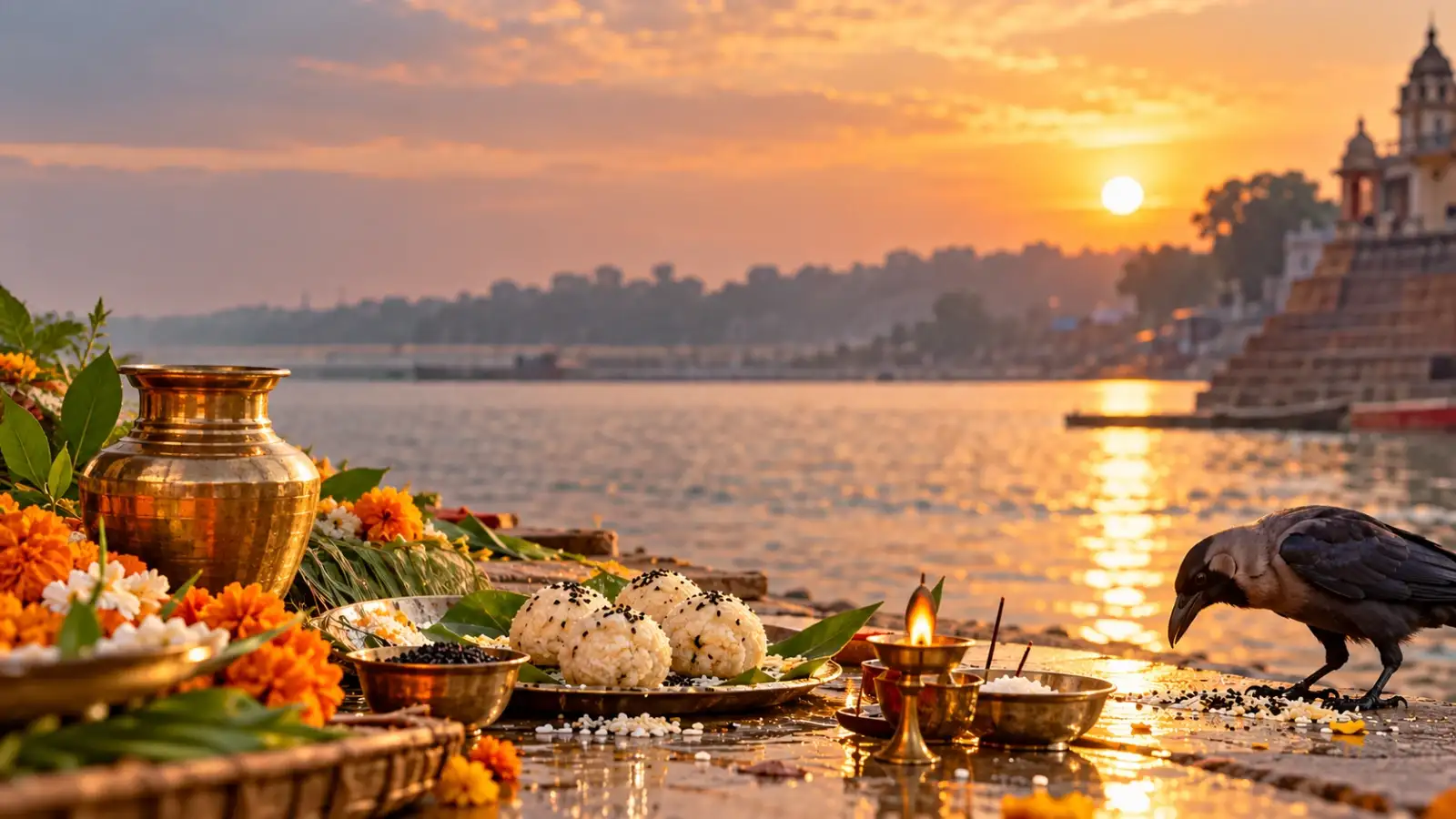
During these days, families traditionally perform Shraddha, Tarpan and, in some traditions, Pinda Daan for their departed relatives. The observances are centred on remembrance, gratitude and fulfilling traditional duties towards one's ancestors. Customs differ between regions and families, but several practices are commonly associated with Pitru Paksha.
What Is Pitru Paksha Shradh?
Pitru Paksha, also known as Pitru Paksha Shraddha or Mahalaya Paksha, is a period of lunar days during which Hindus pay respects to their ancestors. The term Shraddha is associated with performing ancestral rites with faith and devotion.
The date for an individual's annual Shraddha is traditionally based on the lunar Tithi of their death rather than simply the Gregorian calendar date. This means families generally identify the appropriate Tithi during Pitru Paksha and perform the ritual on the corresponding Shraddha day.
The final day, Sarva Pitru Amavasya, is particularly significant for families who do not know the exact death Tithi of an ancestor or who wish to perform a collective remembrance for ancestors.
How Families Prepare for Shradh
Preparation usually begins by identifying the appropriate Tithi and deciding who will perform the ceremony. In many households, family members clean the area where the ritual will take place and arrange the items required for the observance.
Commonly used items can include water, black sesame seeds, rice, Kusha grass, flowers and other offerings prescribed by the family's tradition. The precise list can vary according to regional customs, family practices and the guidance of a priest.
Many families also prepare a simple vegetarian meal as part of the observance. Food traditions differ considerably across India, so there is no single menu followed by every household.
Tarpan and Water Offerings
Tarpan is one of the important practices associated with Pitru Paksha. It involves making ritual offerings of water, often accompanied by sesame seeds and prayers, while remembering the ancestors.
The ceremony is generally performed with a specific method and may involve the recitation of mantras. In several traditions, Tarpan forms an important part of the Shraddha process and is performed at an appropriate point during the ritual.
Families may perform Tarpan at home or at recognised pilgrimage locations and riverbanks, depending on their customs and circumstances.
The Tradition of Pinda Daan
Pinda Daan is another traditional ancestral rite associated with Shraddha. Pindas are ritual offerings that are commonly prepared using ingredients such as rice and sesame, although the precise preparation differs between traditions.
Pinda Daan is particularly associated with pilgrimage centres such as Gaya, Kashi, Prayag and other places considered sacred for ancestral rites. However, it is not necessary for every family to travel to a pilgrimage centre. Many households perform their customary Shraddha rituals at home or through a local priest.
The practice is traditionally understood as an expression of duty and respect towards deceased family members.
Offering Food in Memory of Ancestors
Food has an important place in many Pitru Paksha observances. Families traditionally prepare food as an offering before sharing or distributing it according to their customs.
In some communities, food is offered to crows, cows, dogs or other beings as part of the ritual tradition. Feeding Brahmins or other people is also practised by some families, often along with donations or Dakshina.
These customs are not identical across India. Regional traditions can determine what food is prepared, whom it is offered to and how the ceremony is conducted.
Why Sarva Pitru Amavasya Is Important
Sarva Pitru Amavasya marks the conclusion of Pitru Paksha. In 2026, it falls on 10 October. It is traditionally considered an important day to remember all ancestors, particularly when the family's specific Shraddha Tithi is unknown.
Some families also use this day for collective ancestral prayers and offerings. The day is known by different names in different traditions, including Mahalaya Amavasya.
Regional Differences in Pitru Paksha Rituals
Pitru Paksha customs vary significantly across India. In parts of North India, Pinda Daan and other formal Shraddha rites are prominent. In Bengal and some eastern regions, Tarpan on Mahalaya Amavasya has particular cultural importance.
Southern Indian traditions may refer to ancestral rites using terms such as Pitru Karma and follow their own detailed procedures. Food, mantras, ritual timings and the role of priests can therefore differ from one community to another.
These differences do not change the central purpose of the observance, which is to remember deceased family members and express gratitude towards previous generations.
The Traditional Meaning of Pitru Paksha
For many families, Pitru Paksha is less about elaborate ceremonies and more about remembrance and family responsibility. It provides an annual opportunity to pause and remember parents, grandparents and earlier generations whose lives contributed to the family's history.
The rituals also encourage values such as gratitude, charity and respect for elders. Families may use the period to visit relatives, prepare traditional food, donate useful items and participate in prayers.
The exact procedure can vary according to regional and family traditions. Therefore, anyone performing Shraddha for a particular ancestor should follow the relevant local Panchang and, where appropriate, seek guidance from a knowledgeable priest, particularly because Tithi and ritual timings can differ by location.
Pitru Paksha ultimately remains a significant period in the Hindu calendar for remembering ancestors and preserving family traditions. Through Shraddha, Tarpan, Pinda Daan, food offerings, prayers and acts of charity, families continue a long standing tradition of expressing respect and gratitude towards those who came before them.
During these days, families traditionally perform Shraddha, Tarpan and, in some traditions, Pinda Daan for their departed relatives. The observances are centred on remembrance, gratitude and fulfilling traditional duties towards one's ancestors. Customs differ between regions and families, but several practices are commonly associated with Pitru Paksha.
What Is Pitru Paksha Shradh?
Pitru Paksha, also known as Pitru Paksha Shraddha or Mahalaya Paksha, is a period of lunar days during which Hindus pay respects to their ancestors. The term Shraddha is associated with performing ancestral rites with faith and devotion.
The date for an individual's annual Shraddha is traditionally based on the lunar Tithi of their death rather than simply the Gregorian calendar date. This means families generally identify the appropriate Tithi during Pitru Paksha and perform the ritual on the corresponding Shraddha day.
The final day, Sarva Pitru Amavasya, is particularly significant for families who do not know the exact death Tithi of an ancestor or who wish to perform a collective remembrance for ancestors.
How Families Prepare for Shradh
Preparation usually begins by identifying the appropriate Tithi and deciding who will perform the ceremony. In many households, family members clean the area where the ritual will take place and arrange the items required for the observance.
Commonly used items can include water, black sesame seeds, rice, Kusha grass, flowers and other offerings prescribed by the family's tradition. The precise list can vary according to regional customs, family practices and the guidance of a priest.
Many families also prepare a simple vegetarian meal as part of the observance. Food traditions differ considerably across India, so there is no single menu followed by every household.
Tarpan and Water Offerings
Tarpan is one of the important practices associated with Pitru Paksha. It involves making ritual offerings of water, often accompanied by sesame seeds and prayers, while remembering the ancestors.
The ceremony is generally performed with a specific method and may involve the recitation of mantras. In several traditions, Tarpan forms an important part of the Shraddha process and is performed at an appropriate point during the ritual.
Families may perform Tarpan at home or at recognised pilgrimage locations and riverbanks, depending on their customs and circumstances.
The Tradition of Pinda Daan
Pinda Daan is another traditional ancestral rite associated with Shraddha. Pindas are ritual offerings that are commonly prepared using ingredients such as rice and sesame, although the precise preparation differs between traditions.
Pinda Daan is particularly associated with pilgrimage centres such as Gaya, Kashi, Prayag and other places considered sacred for ancestral rites. However, it is not necessary for every family to travel to a pilgrimage centre. Many households perform their customary Shraddha rituals at home or through a local priest.
The practice is traditionally understood as an expression of duty and respect towards deceased family members.
Offering Food in Memory of Ancestors
Food has an important place in many Pitru Paksha observances. Families traditionally prepare food as an offering before sharing or distributing it according to their customs.
In some communities, food is offered to crows, cows, dogs or other beings as part of the ritual tradition. Feeding Brahmins or other people is also practised by some families, often along with donations or Dakshina.
These customs are not identical across India. Regional traditions can determine what food is prepared, whom it is offered to and how the ceremony is conducted.
Why Sarva Pitru Amavasya Is Important
Sarva Pitru Amavasya marks the conclusion of Pitru Paksha. In 2026, it falls on 10 October. It is traditionally considered an important day to remember all ancestors, particularly when the family's specific Shraddha Tithi is unknown.
You may also like
- Navratri 2026: Why You Must Never Extinguish the Akhand Jyoti & Strict Rules to Follow
- Anant Chaturdashi 2026: Right or Left Hand, Strict Vedic Rules for Tying the Anant Sutra
- Is It Mandatory to Immerse Every Ganesh Idol, Clear Your Doubts Before Bappa's Farewell
- Beauty or Knowledge, Why Acharya Chanakya Crowned Education as Life's Greatest Friend
- Vidur Neeti: 4 Destructive Daily Habits That Secretly Ruin Success and Wealth
Some families also use this day for collective ancestral prayers and offerings. The day is known by different names in different traditions, including Mahalaya Amavasya.
Regional Differences in Pitru Paksha Rituals
Pitru Paksha customs vary significantly across India. In parts of North India, Pinda Daan and other formal Shraddha rites are prominent. In Bengal and some eastern regions, Tarpan on Mahalaya Amavasya has particular cultural importance.
Southern Indian traditions may refer to ancestral rites using terms such as Pitru Karma and follow their own detailed procedures. Food, mantras, ritual timings and the role of priests can therefore differ from one community to another.
These differences do not change the central purpose of the observance, which is to remember deceased family members and express gratitude towards previous generations.
The Traditional Meaning of Pitru Paksha
For many families, Pitru Paksha is less about elaborate ceremonies and more about remembrance and family responsibility. It provides an annual opportunity to pause and remember parents, grandparents and earlier generations whose lives contributed to the family's history.
The rituals also encourage values such as gratitude, charity and respect for elders. Families may use the period to visit relatives, prepare traditional food, donate useful items and participate in prayers.
The exact procedure can vary according to regional and family traditions. Therefore, anyone performing Shraddha for a particular ancestor should follow the relevant local Panchang and, where appropriate, seek guidance from a knowledgeable priest, particularly because Tithi and ritual timings can differ by location.
Pitru Paksha ultimately remains a significant period in the Hindu calendar for remembering ancestors and preserving family traditions. Through Shraddha, Tarpan, Pinda Daan, food offerings, prayers and acts of charity, families continue a long standing tradition of expressing respect and gratitude towards those who came before them.






Loving Newspoint? Download the app now
