
Shardiya Navratri Day 4: Worship Cosmic Creator Maa Kushmanda to Cure Chronic Ailments


The fourth day of the sacred festival of Shardiya Navratri is dedicated to Maa Kushmanda, revered in Vedic tradition as the primary creator of the universe and the ultimate healer of physical ailments, chronic illnesses, and spiritual sorrow. Celebrated as the fourth manifestation among the Navdurga, Goddess Kushmanda illuminates the cosmos with her gentle, primordial smile, dispelling perpetual cosmic darkness and bringing forth light, warmth, and life.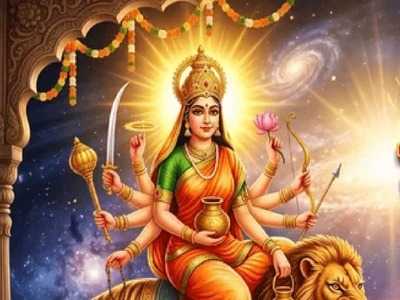 Astrological and scriptural traditions emphasize that wearing deep blue garments during today’s devotional rituals doubles the spiritual benefits and merit of the puja. Devotees who invoke the eight-armed deity during prescribed auspicious windows are blessed with vitality, disease-free health, peace, and domestic prosperity.Divine Form of Maa Kushmanda: Ashtabhuja Devi and Ruler of Solar RadianceScriptures depict Goddess Kushmanda with distinct spiritual iconography representing creation, power, and universal balance:Cosmic Creator Through a Divine Smile: Before the cosmic order existed, absolute darkness enveloped the void.Goddess Kushmanda produced the cosmic egg (Brahmanda) with a mere flash of her benevolent smile, permeating the entire universe with luminous cosmic radiance.Eight-Armed Iconography (Ashtabhuja Devi): The Mother Goddess is manifested with eight arms, clutching a sacred kamandalu (water pot), a divine bow, arrows, a pristine lotus flower, an all-powerful chakra (discus), a mace (gada), a pot of celestial nectar (amrit kalash), and a rosary (japamala) that confers all eight siddhis and nine nidhis.Lion Mount and Solar Association: Mounted atop a formidable lion symbolizing inner courage, moral strength, and spiritual bravery, Maa Kushmanda resides within the center of the Sun (Surya Mandal), regulating cosmic energy and vital life force across all living realms.Auspicious Timings: Shubh Muhurat for Day 4 Navratri WorshipDevotees can perform the sacred rituals of Maa Kushmanda across multiple auspicious periods on the fourth day:Brahma Muhurta: 04:54 AM to 05:43 AM (Ideal for deep meditation and preliminary prayers).Abhijit Muhurta: 11:44 AM to 12:30 PM (Highly auspicious for daytime invocation).Vijay Muhurta: 02:22 PM to 03:09 PM (Favorable for resolving obstacles and securing success).Amrit Kaal: 04:14 PM to 05:57 PM (Powerful window for mantra chanting and healing rituals).Twilight Time (Godhuli Muhurta): 06:17 PM to 06:42 PM (Auspicious for evening aarti and diya lighting).Step-by-Step Puja Vidhi, Favorite Bhog, and the Infallible Healing MantraExecuting the puja according to classical Vedic rules ensures divine grace, physical health, and family well-being:Sacred Morning Preparation: Begin the day with an early bath, don fresh deep blue attire, install the idol or picture of Maa Kushmanda upon a clean wooden pedestal, and apply sacred vermilion (sindoor) or roli to her forehead.Kalash Puja and Lamp Illumination: If Ghatasthapana was performed on Pratipada, first worship the consecrated Kalash according to family traditions, followed by lighting a ghee or oil diya in front of the deity.Floral and Prasad Offerings: Offer fresh fragrant flowers and unbroken raw rice grains (akshat).Present sweet Malpua, pumpkin-based sweets (petha), or saffron-infused kheer (halwa/pudding) as preferred bhog offerings, honoring her love for the pumpkin (Kushmanda).Chanting the Powerful Health Mantra: Sit facing east or north and chant the sacred invocation "Om Devi Kushmandayai Namah" for 11, 21, 51, or 108 repetitions using a rosary to eliminate chronic ailments, physical weaknesses, and household negativity.Durga Saptashati and Vrat Katha: Recite the fourth chapter of Durga Saptashati and read the Maa Kushmanda Vrat Katha, which details her creation of the universe and her gift of longevity and strength to humanity.Aarti and Prasad Distribution: Conclude the ceremony by performing the traditional aarti, praying earnestly for good health, family harmony, and freedom from disease, before distributing the sanctified prasad to all family members.
Next Story