
The Death Of Guru Gobind Singh: The End Of The Tenth Sikh Guru

On October 7, 1708, Guru Gobind Singh, the tenth Sikh Guru , succumbed to wounds inflicted by an assassin. He was the final human Guru of Sikhism .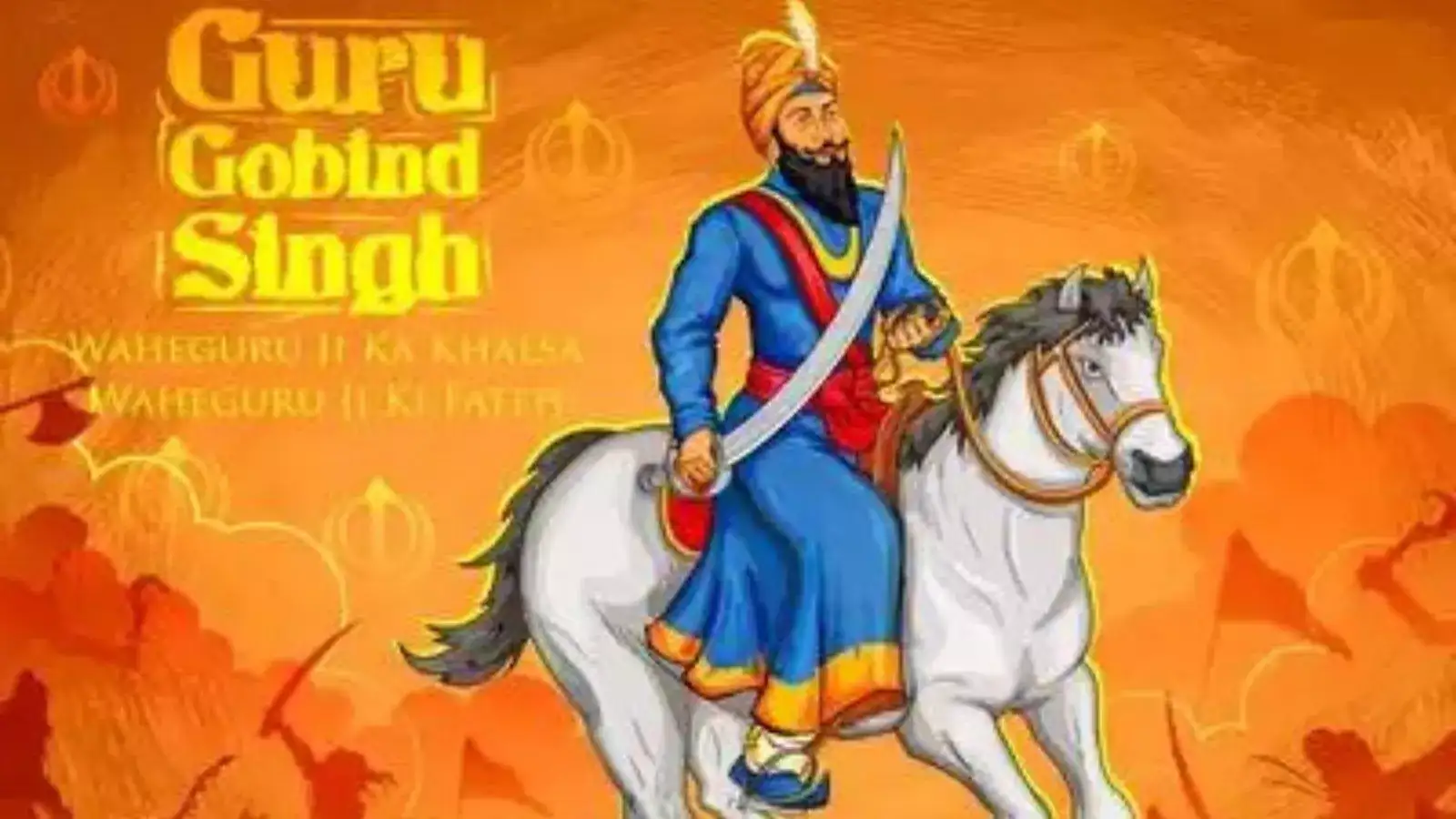
Guru Gobind Singh
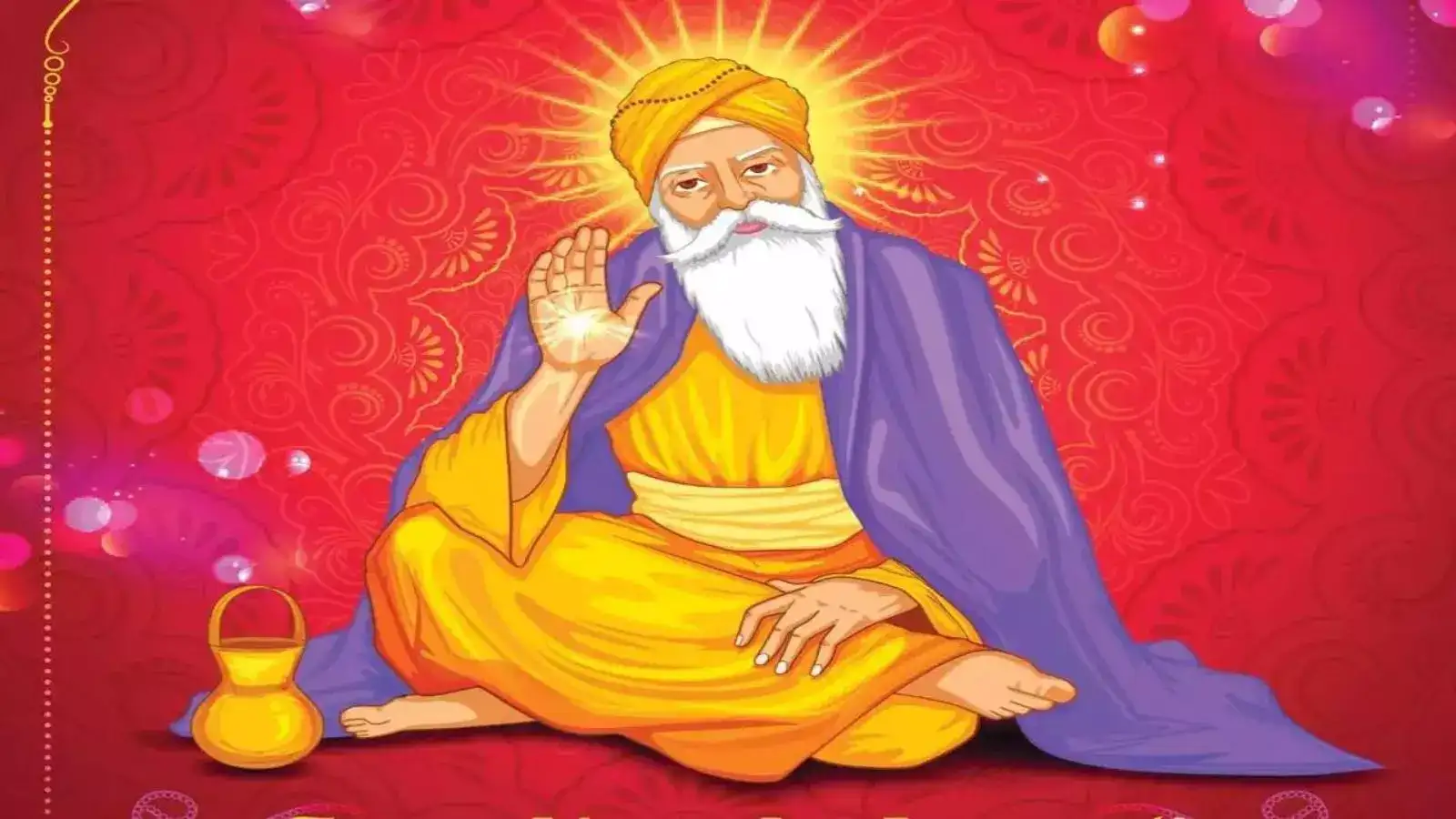
Born Gobind Rai in December 1666 in Patna, Guru Gobind Singh became the Sikh Guru at the age of nine following the martyrdom of his father, Guru Tegh Bahadur. Guru Tegh Bahadur was executed by Mughal Emperor Aurangzeb for his refusal to convert to Islam.
Guru Gobind Singh is renowned for establishing the Khalsa in 1699, a significant reform in Sikhism. He was not only a valiant warrior but also a distinguished poet and philosopher, contributing works such as the Jaap Sahib, Benti Chaupai, and Amrit Savaiye.
Significant Contributions
Formation of the Khalsa: Guru Gobind Singh's most enduring legacy is the creation of the Khalsa, a disciplined and martial community. He introduced the Amrit Pehul initiation ceremony and established rules for the Khalsa, including the adoption of the titles 'Singh' for men and 'Kaur' for women. This codified the warrior spirit of the Sikh community.
The Five K’s: He instituted the tradition of the Five K’s—kesh (uncut hair), kanga (wooden comb), kara (iron or steel bracelet), kirpan (dagger), and kacchera (short breeches)—which Khalsa members are still required to wear. These articles of faith represent the core principles of Sikh identity.
Rules and Reforms: Guru Gobind Singh laid down various guidelines for Khalsa warriors, including abstention from tobacco, alcohol, and halal meat. He emphasized the protection of the innocent and the abolition of caste distinctions.
Establishment of Sikh Scripture as Guru: Guru Gobind Singh designated the Sikh scripture, Granth Sahib, as the eternal Guru, thereby ending the succession of human Gurus. This decision established the Granth Sahib as the spiritual guide for Sikhs.
Zafarnama: The Guru wrote the Zafarnama, a letter addressed to Aurangzeb, expressing his grievances and reflections on the Mughal ruler’s broken promises. Aurangzeb reportedly agreed to a meeting with Guru Gobind Singh but died before it could occur.
Final Days and Legacy
While stationed in the Deccan, Guru Gobind Singh and his followers were attacked by two Afghan assassins sent by Wazir Khan. One of the assassins fatally wounded the Guru before being killed by him. The accomplice was subsequently slain by Sikh guards. Guru Gobind Singh died from his injuries on October 7, 1708, at the age of 42.
Following his death, Sikhs engaged in prolonged and fierce conflicts with the Mughals, continuing to uphold the values and teachings imparted by Guru Gobind Singh. His contributions significantly shaped the course of Sikh history and laid the foundation for the Sikh Empire under Maharaja Ranjit Singh in 1799.
Guru Gobind Singh
Born Gobind Rai in December 1666 in Patna, Guru Gobind Singh became the Sikh Guru at the age of nine following the martyrdom of his father, Guru Tegh Bahadur. Guru Tegh Bahadur was executed by Mughal Emperor Aurangzeb for his refusal to convert to Islam.
Guru Gobind Singh is renowned for establishing the Khalsa in 1699, a significant reform in Sikhism. He was not only a valiant warrior but also a distinguished poet and philosopher, contributing works such as the Jaap Sahib, Benti Chaupai, and Amrit Savaiye.
Significant Contributions
Formation of the Khalsa: Guru Gobind Singh's most enduring legacy is the creation of the Khalsa, a disciplined and martial community. He introduced the Amrit Pehul initiation ceremony and established rules for the Khalsa, including the adoption of the titles 'Singh' for men and 'Kaur' for women. This codified the warrior spirit of the Sikh community.
The Five K’s: He instituted the tradition of the Five K’s—kesh (uncut hair), kanga (wooden comb), kara (iron or steel bracelet), kirpan (dagger), and kacchera (short breeches)—which Khalsa members are still required to wear. These articles of faith represent the core principles of Sikh identity.
Rules and Reforms: Guru Gobind Singh laid down various guidelines for Khalsa warriors, including abstention from tobacco, alcohol, and halal meat. He emphasized the protection of the innocent and the abolition of caste distinctions.
Establishment of Sikh Scripture as Guru: Guru Gobind Singh designated the Sikh scripture, Granth Sahib, as the eternal Guru, thereby ending the succession of human Gurus. This decision established the Granth Sahib as the spiritual guide for Sikhs.
Zafarnama: The Guru wrote the Zafarnama, a letter addressed to Aurangzeb, expressing his grievances and reflections on the Mughal ruler’s broken promises. Aurangzeb reportedly agreed to a meeting with Guru Gobind Singh but died before it could occur.
Final Days and Legacy
While stationed in the Deccan, Guru Gobind Singh and his followers were attacked by two Afghan assassins sent by Wazir Khan. One of the assassins fatally wounded the Guru before being killed by him. The accomplice was subsequently slain by Sikh guards. Guru Gobind Singh died from his injuries on October 7, 1708, at the age of 42.
Following his death, Sikhs engaged in prolonged and fierce conflicts with the Mughals, continuing to uphold the values and teachings imparted by Guru Gobind Singh. His contributions significantly shaped the course of Sikh history and laid the foundation for the Sikh Empire under Maharaja Ranjit Singh in 1799.
Next Story