
9 Reasons To Wear Tulsi Mala According To Hindu Traditions

A Tulsi Mala holds a deeply respected place in Hindu tradition, particularly among followers of Lord Vishnu and Lord Krishna. Made from the sacred wood of the Tulsi plant, it is regarded as a symbol of devotion rather than simply a piece of jewellery.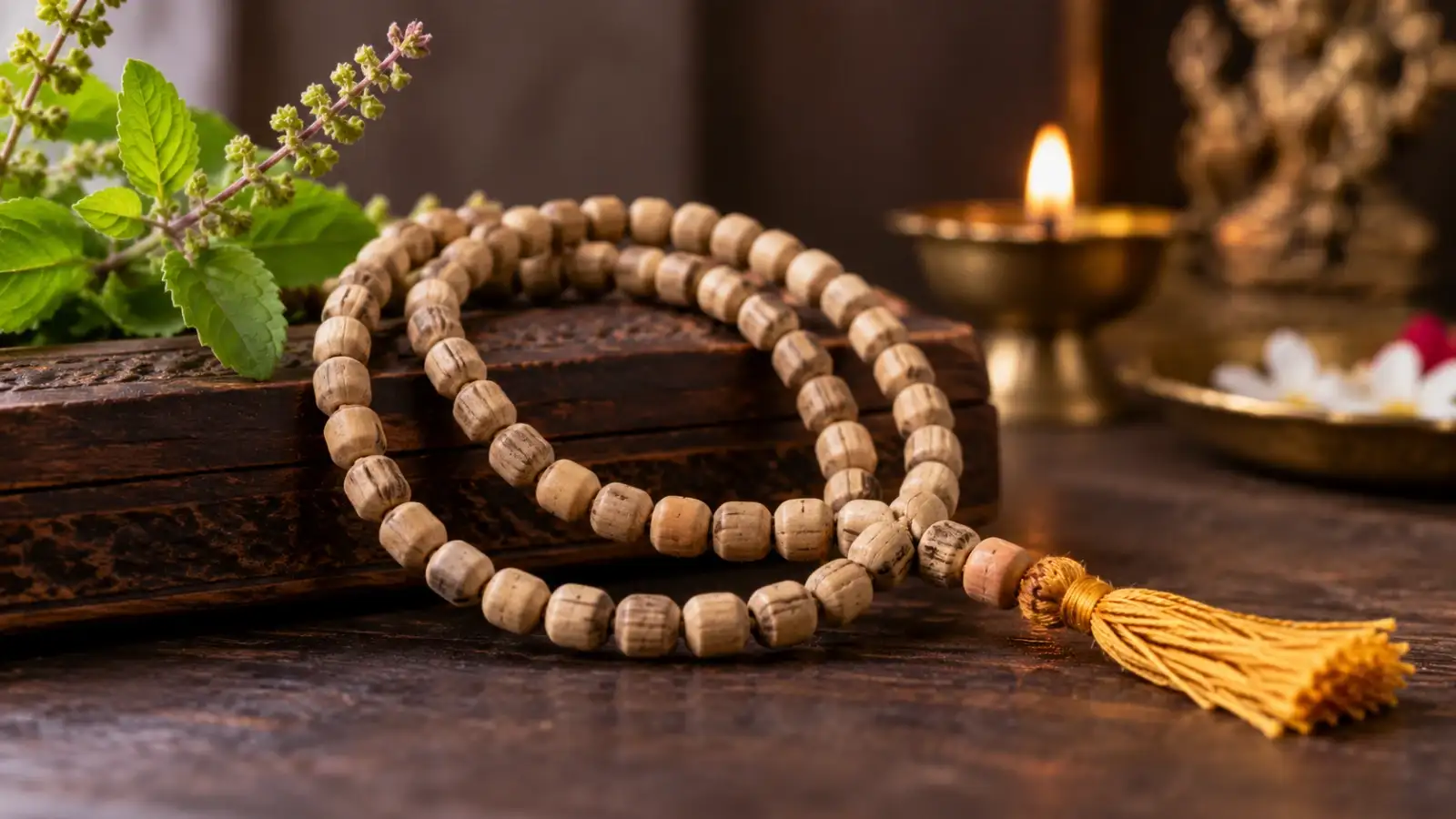
Tulasi Devi has been revered for centuries in the Vaishnava tradition. Religious texts including the Srimad-Bhagavatam and Padma Purana highlight Tulsi's special connection with Vishnu. Devotees traditionally use larger Tulsi malas for mantra chanting, while smaller kanthi malas are worn around the neck.
Here are nine traditional spiritual associations of wearing a Tulsi Mala.
The mala serves as a visible expression of bhakti and devotion.
It represents humility, dedication and surrender. For devotees, it can also encourage reflection on whether their daily thoughts and actions reflect their spiritual values.
Seeing or touching the beads may bring thoughts back to Krishna, Vishnu or one's chosen path of devotion.
Moving through the beads gives chanting a steady physical rhythm and can help devotees maintain concentration during mantra japa.
Wearing Tulsi beads allows devotees to keep this sacred association close to them.
The traditional idea is not that the beads magically change a person. Instead, they can serve as a daily reminder of the spiritual values the wearer has chosen to follow.
For example, noticing the sacred beads may encourage someone to reconsider harsh words, dishonest behaviour or an impulsive action. In this sense, the mala can help connect everyday choices with the traditional idea of karma.
Tulsi leaves are traditionally offered to Krishna, while Tulsi wood is used for both chanting beads and neck beads. Wearing them can therefore represent a close connection with this sacred tradition.
Whether someone is working, travelling or dealing with everyday pressures, the mala can remind them of devotion, humility, discipline and remembrance of God.
For this reason, the Tulsi Mala is considered much more than sacred jewellery in Hinduism, especially within Vaishnava traditions. Its deeper meaning lies in the values it represents and the way it can encourage a devotee to carry those values into everyday life.
Tulasi Devi has been revered for centuries in the Vaishnava tradition. Religious texts including the Srimad-Bhagavatam and Padma Purana highlight Tulsi's special connection with Vishnu. Devotees traditionally use larger Tulsi malas for mantra chanting, while smaller kanthi malas are worn around the neck.
Here are nine traditional spiritual associations of wearing a Tulsi Mala.
1. A Symbol Of Devotion To Vishnu And Krishna
Tulsi is considered especially dear to Lord Vishnu and Lord Krishna. Wearing beads made from Tulsi wood therefore represents a devotee's connection with these deities.The mala serves as a visible expression of bhakti and devotion.
2. Represents Surrender And Humility
In Vaishnava tradition, wearing Tulsi beads around the neck can signify that a person sees themselves as a servant of God.It represents humility, dedication and surrender. For devotees, it can also encourage reflection on whether their daily thoughts and actions reflect their spiritual values.
3. Encourages Remembrance Of God
Daily life can easily pull the mind in different directions. A Tulsi Mala can act as a simple physical reminder to return one's attention to prayer and spiritual practice.Seeing or touching the beads may bring thoughts back to Krishna, Vishnu or one's chosen path of devotion.
4. Supports Mantra Chanting
Tulsi wood has traditionally been used to make japa malas for chanting sacred names, particularly those associated with Krishna and Vishnu.Moving through the beads gives chanting a steady physical rhythm and can help devotees maintain concentration during mantra japa.
5. Is Linked With Auspiciousness
Tulsi has long been associated with auspiciousness and spiritual merit in Hindu devotional traditions. Acts such as seeing, touching, worshipping, planting and offering Tulsi are traditionally regarded as meaningful devotional practices.Wearing Tulsi beads allows devotees to keep this sacred association close to them.
6. Encourages A Sattvic Way Of Life
A Tulsi Mala can also serve as a reminder of personal discipline. For devotees, wearing it may encourage greater awareness of their food, speech, habits, company and behaviour.You may also like
- Ganeshotsav 2026: Wish-Fulfilling Ganesha Temples in India to Visit This Ganesh Chaturthi
- Ganesh Chaturthi 2026: Auspicious Installation Timings, Puja Vidhi, Samagri, and Anant Chaturdashi Immersion Dates
- 4 Essential Virtues Every Daughter Needs to Earn Lifelong Respect in Both Parental and In-Laws' Homes
- Hartalika Teej 2026: Offer These Auspicious Flowers to Lord Shiva and Goddess Parvati
- Lord Krishna's: Unlocking the Astrological Secrets Behind the Supreme Intellect and Divine Versatility of Shri Krishna
The traditional idea is not that the beads magically change a person. Instead, they can serve as a daily reminder of the spiritual values the wearer has chosen to follow.
7. Encourages Awareness Before Action
The mala can become a reminder to pause before making a decision or reacting emotionally.For example, noticing the sacred beads may encourage someone to reconsider harsh words, dishonest behaviour or an impulsive action. In this sense, the mala can help connect everyday choices with the traditional idea of karma.
8. Represents The Presence Of Tulasi Devi
In Vaishnava traditions, Tulsi is revered as Tulasi Devi and is regarded as a great devotee of Krishna. She is therefore much more than a plant within this devotional tradition.Tulsi leaves are traditionally offered to Krishna, while Tulsi wood is used for both chanting beads and neck beads. Wearing them can therefore represent a close connection with this sacred tradition.
9. Brings Spirituality Into Everyday Life
Perhaps the simplest significance of a Tulsi Mala is that it keeps a spiritual reminder close throughout the day.Whether someone is working, travelling or dealing with everyday pressures, the mala can remind them of devotion, humility, discipline and remembrance of God.
For this reason, the Tulsi Mala is considered much more than sacred jewellery in Hinduism, especially within Vaishnava traditions. Its deeper meaning lies in the values it represents and the way it can encourage a devotee to carry those values into everyday life.






Loving Newspoint? Download the app now
