
Unique Mahashivratri Rituals in India: How Different Regions Celebrate the Sacred Night of Shiva

Unique Mahashivratri rituals in India showcase how one sacred festival takes on countless cultural forms across the country. Mahashivratri, the Great Night of Lord Shiva, is observed on the fourteenth night of the dark fortnight of Phalguna and symbolises spiritual awakening, balance of energies, and inner transformation. While fasting, night-long vigils and chanting “Om Namah Shivaya” unite devotees nationwide, each region adds its own traditions, making the festival deeply diverse yet spiritually unified.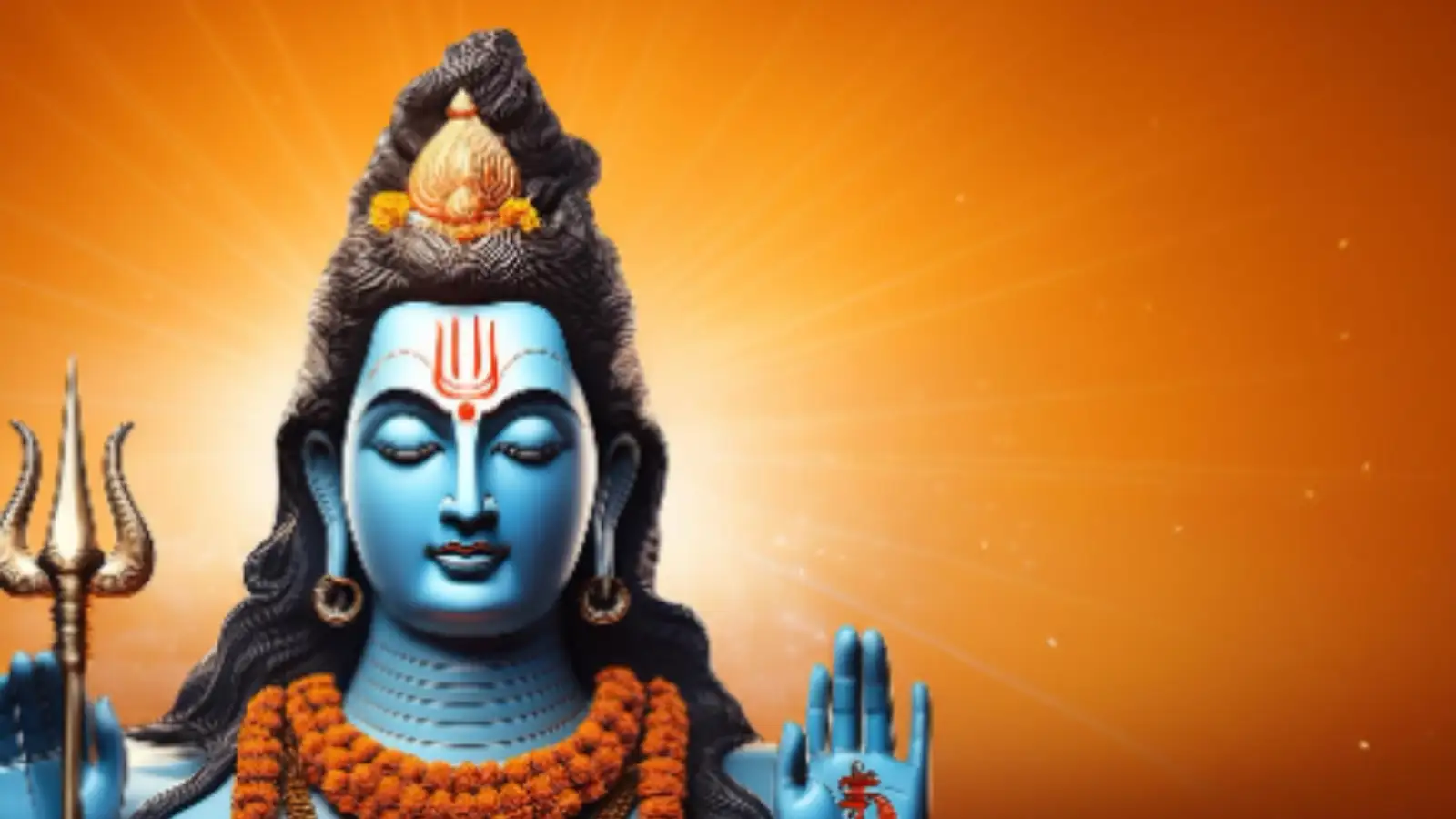
Varanasi: A Night of Eternal Wakefulness
In Varanasi, believed to be Lord Shiva’s eternal city, Mahashivratri turns into an all-night spiritual immersion. Devotees bathe in the Ganga at dawn and throng the Kashi Vishwanath Temple with offerings of milk, water, honey and bael leaves. What sets Varanasi apart is the uninterrupted vigil—chants, bells and hymns echo till sunrise, reflecting Shiva’s timeless consciousness.
Mandi, Himachal Pradesh: The Festival of Living Deities
Mahashivratri in Mandi unfolds as a multi-day cultural celebration known as the Mandi Shivratri Fair . Local gods and goddesses arrive in ornate palanquins to honour Lord Shiva at the Bhootnath Temple. Folk dances, traditional music and communal gatherings highlight the belief that all divine forces unite on this auspicious occasion.
Kashmir: Herath and the Power of Home Rituals
For Kashmiri Pandits, Mahashivratri—called Herath—is a deeply personal, household festival. Families worship earthen pots filled with water, walnuts and flowers, symbolising Shiva and Parvati. Rituals are followed by a carefully prepared feast, focusing on family harmony, gratitude and prosperity rather than temple-centric worship.
Tamil Nadu: The Sacred Walk Around Arunachala
In Tamil Nadu, Mahashivratri is strongly linked to fire worship at Tiruvannamalai. Devotees perform Girivalam, a barefoot circumambulation of Arunachala Hill spanning nearly 14 kilometres. Undertaken mostly at night, this silent walk under starlit skies is believed to cleanse karma and awaken inner stillness.
Karnataka: Devotion Through Song and Vigil
Across Karnataka, Mahashivratri is marked by jagarana, or night-long wakefulness filled with devotional singing and storytelling. At Gokarna, devotees take ritual sea baths before prayers at the Mahabaleshwar Temple. Energetic folk dances like Veeragase reflect Shiva’s fierce yet compassionate nature.
Maharashtra: Discipline Through Fasting
In Maharashtra, the focus remains on restraint and devotion. Many observe nirjala fasts, abstaining from both food and water. Temples conduct elaborate abhishekam rituals, while rural communities sing abhangas and bhajans, portraying Shiva as the ultimate yogi and ascetic.
West Bengal: Celebrating Shiva as a Householder
In West Bengal, Mahashivratri blends Shiva worship with reverence for Shakti. Married women pray for family well-being, while unmarried women seek blessings for a suitable partner. The rituals highlight Shiva not only as a renunciate but also as a protector and family man.
Odisha: The Mesmerising Rise of the Mahadeep
At Bhubaneswar’s Lingaraj Temple, Mahashivratri reaches its peak with the raising of the Mahadeep. Devotees fast until a massive oil lamp is lit atop the temple spire late at night. As chants of “Hari Bol” fill the air, the sight of the flame piercing the darkness marks divine approval and collective spiritual release.
Madhya Pradesh: Shiva as the Divine Groom
In Ujjain, home to the Mahakaleshwar Jyotirlinga, Mahashivratri is part of a nine-day celebration called Shiv Navratri. The Shiva Lingam is adorned with a Sehra, a floral veil worn by grooms, symbolising Shiva’s marriage to Parvati. The atmosphere mirrors a wedding celebration rather than solemn worship.
Assam: Tantra and Inner Awakening
Assam’s Mahashivratri observances carry strong tantric influences. Devotees prioritise meditation, mantra chanting and symbolic offerings, viewing the night as ideal for deep spiritual practices aimed at self-realisation and transformation.
Coimbatore: A Contemporary Global Celebration
At the Isha Yoga Centre in Coimbatore, Mahashivratri blends ancient yogic science with modern expression. Celebrated beneath the towering Adiyogi statue, the night features meditation, music and dance, attracting millions worldwide. The emphasis is on maintaining an erect spine to facilitate energy flow, making it a global spiritual phenomenon.
The Deeper Meaning of Mahashivratri
Despite varied customs, the spiritual core of Mahashivratri remains unchanged. Fasting purifies the body, wakefulness sharpens awareness, and chanting steadies the mind. These rituals collectively point towards Shiva not merely as a deity, but as a state of higher consciousness.
From temple spires lit with sacred flames to silent barefoot pilgrimages and intimate home rituals, unique Mahashivratri rituals in India reveal the country’s extraordinary spiritual diversity. Each region adds its own colour to the celebration, yet all paths ultimately lead to the same truth - awakening, balance and inner liberation on the sacred night of Lord Shiva.
Varanasi: A Night of Eternal Wakefulness
In Varanasi, believed to be Lord Shiva’s eternal city, Mahashivratri turns into an all-night spiritual immersion. Devotees bathe in the Ganga at dawn and throng the Kashi Vishwanath Temple with offerings of milk, water, honey and bael leaves. What sets Varanasi apart is the uninterrupted vigil—chants, bells and hymns echo till sunrise, reflecting Shiva’s timeless consciousness.
Mandi, Himachal Pradesh: The Festival of Living Deities
Mahashivratri in Mandi unfolds as a multi-day cultural celebration known as the Mandi Shivratri Fair . Local gods and goddesses arrive in ornate palanquins to honour Lord Shiva at the Bhootnath Temple. Folk dances, traditional music and communal gatherings highlight the belief that all divine forces unite on this auspicious occasion.
Kashmir: Herath and the Power of Home Rituals
For Kashmiri Pandits, Mahashivratri—called Herath—is a deeply personal, household festival. Families worship earthen pots filled with water, walnuts and flowers, symbolising Shiva and Parvati. Rituals are followed by a carefully prepared feast, focusing on family harmony, gratitude and prosperity rather than temple-centric worship.
Tamil Nadu: The Sacred Walk Around Arunachala
In Tamil Nadu, Mahashivratri is strongly linked to fire worship at Tiruvannamalai. Devotees perform Girivalam, a barefoot circumambulation of Arunachala Hill spanning nearly 14 kilometres. Undertaken mostly at night, this silent walk under starlit skies is believed to cleanse karma and awaken inner stillness.
Karnataka: Devotion Through Song and Vigil
Across Karnataka, Mahashivratri is marked by jagarana, or night-long wakefulness filled with devotional singing and storytelling. At Gokarna, devotees take ritual sea baths before prayers at the Mahabaleshwar Temple. Energetic folk dances like Veeragase reflect Shiva’s fierce yet compassionate nature.
Maharashtra: Discipline Through Fasting
In Maharashtra, the focus remains on restraint and devotion. Many observe nirjala fasts, abstaining from both food and water. Temples conduct elaborate abhishekam rituals, while rural communities sing abhangas and bhajans, portraying Shiva as the ultimate yogi and ascetic.
West Bengal: Celebrating Shiva as a Householder
In West Bengal, Mahashivratri blends Shiva worship with reverence for Shakti. Married women pray for family well-being, while unmarried women seek blessings for a suitable partner. The rituals highlight Shiva not only as a renunciate but also as a protector and family man.
Odisha: The Mesmerising Rise of the Mahadeep
At Bhubaneswar’s Lingaraj Temple, Mahashivratri reaches its peak with the raising of the Mahadeep. Devotees fast until a massive oil lamp is lit atop the temple spire late at night. As chants of “Hari Bol” fill the air, the sight of the flame piercing the darkness marks divine approval and collective spiritual release.
You may also like
 Victory or PR-wrapped sacrifice of India's interests: Kharge on US deal
 "Those who didn't get invitation feel bad": CM Fadnavis criticises Raj Thackeray over RSS centenary event remarks
- Two killed in Bengal's Howrah after iron rod falls from multi-storey building
 IndiaAI Mission Chief Decodes Tech Strategy For A Billion Users
 'Has huge deposits': SIT opposes bail for jailed Sabarimala Tantri in gold heist case
Madhya Pradesh: Shiva as the Divine Groom
In Ujjain, home to the Mahakaleshwar Jyotirlinga, Mahashivratri is part of a nine-day celebration called Shiv Navratri. The Shiva Lingam is adorned with a Sehra, a floral veil worn by grooms, symbolising Shiva’s marriage to Parvati. The atmosphere mirrors a wedding celebration rather than solemn worship.
Assam: Tantra and Inner Awakening
Assam’s Mahashivratri observances carry strong tantric influences. Devotees prioritise meditation, mantra chanting and symbolic offerings, viewing the night as ideal for deep spiritual practices aimed at self-realisation and transformation.
Coimbatore: A Contemporary Global Celebration
At the Isha Yoga Centre in Coimbatore, Mahashivratri blends ancient yogic science with modern expression. Celebrated beneath the towering Adiyogi statue, the night features meditation, music and dance, attracting millions worldwide. The emphasis is on maintaining an erect spine to facilitate energy flow, making it a global spiritual phenomenon.
The Deeper Meaning of Mahashivratri
Despite varied customs, the spiritual core of Mahashivratri remains unchanged. Fasting purifies the body, wakefulness sharpens awareness, and chanting steadies the mind. These rituals collectively point towards Shiva not merely as a deity, but as a state of higher consciousness.
From temple spires lit with sacred flames to silent barefoot pilgrimages and intimate home rituals, unique Mahashivratri rituals in India reveal the country’s extraordinary spiritual diversity. Each region adds its own colour to the celebration, yet all paths ultimately lead to the same truth - awakening, balance and inner liberation on the sacred night of Lord Shiva.






More from our partners


Loving Newspoint? Download the app now
