
Wearing Tulsi Kanthi Mala,Essential Dietary Rule on Eating Onion and Garlic You Must Know


In Sanatan Dharma, the sacred basil plant holds revered spiritual, medicinal, and purifying status, making the wearing of a Tulsi Kanthi Mala around the neck or using its sanctified beads for japa meditation one of the most widespread devotional practices. Worn by millions seeking mental tranquility, emotional equilibrium, and a continuous divine connection, the holy necklace acts as an energetic shield that channels positive vibrational harmony into the wearer's daily life.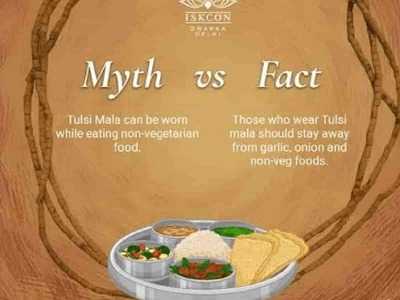 However, one of the most common doubts voiced by devotees and modern spiritual seekers centers on dietary discipline: can a person wear a Tulsi mala while continuing to consume onions and garlic? Addressing this widespread inquiry requires a balanced understanding of Ayurvedic bio-energetics, scriptural injunctions, and everyday practicality.Ayurvedic Perspective: Why Onions and Garlic Are Labeled Tamasic FoodsAncient Ayurvedic literature and Vedic nutritional scriptures classify dietary intake into three distinct Gunas—Sattva (purity and lightness), Rajas (passion and stimulation), and Tamas (lethargy and darkness).Within this traditional medical matrix, onions and garlic are categorized primarily as tamasic and rajasic substances because of their potent heating, nervous-system-stimulating, and grounding properties. While recognized in Ayurvedic pharmacology for specific therapeutic benefits, their routine consumption during intensive spiritual sadhana is traditionally discouraged because they are believed to trigger lethargy, heighten emotional impulsiveness, induce agitation, and cloud meditative concentration, which directly contradicts the pure, calming, and introspective aura fostered by the sacred Tulsi beads.Traditional Devotees vs Modern Professionals: Striking the Right BalanceScriptural traditions highlight that dietary rules vary substantially depending on one's personal spiritual vows and lineage affiliations.Devotees belonging to dedicated Vaishnava traditions or those who have formally received Kanthi Mala initiation through a spiritual guru adhere to an uncompromising sattvic regimen, strictly renouncing all forms of onion and garlic alongside non-vegetarian fare. Conversely, for householders, working professionals, and students navigating contemporary corporate or institutional routines where adhering to an exclusively sattvic diet proves challenging, religious scholars maintain that devotion and internal intent hold ultimate supremacy.If external lifestyle constraints make total abstinence difficult, individuals can continue wearing the Tulsi mala with reverence, ensuring sincere prayer and clean living without harboring fear or guilt.
Next Story