
What to Do With Leftover Diwali Sweets and Snacks: 7 Creative Ways to Avoid Food Waste

Diwali celebrations are incomplete without delicious sweets, savoury snacks and endless festive treats. From laddoos and barfis to namak pare, chakli and kaju katli, most households stock up on their favourite festive delicacies during the celebrations. However, once the festivities are over, many of us are left with boxes of sweets and containers full of snacks that nobody seems to be finishing.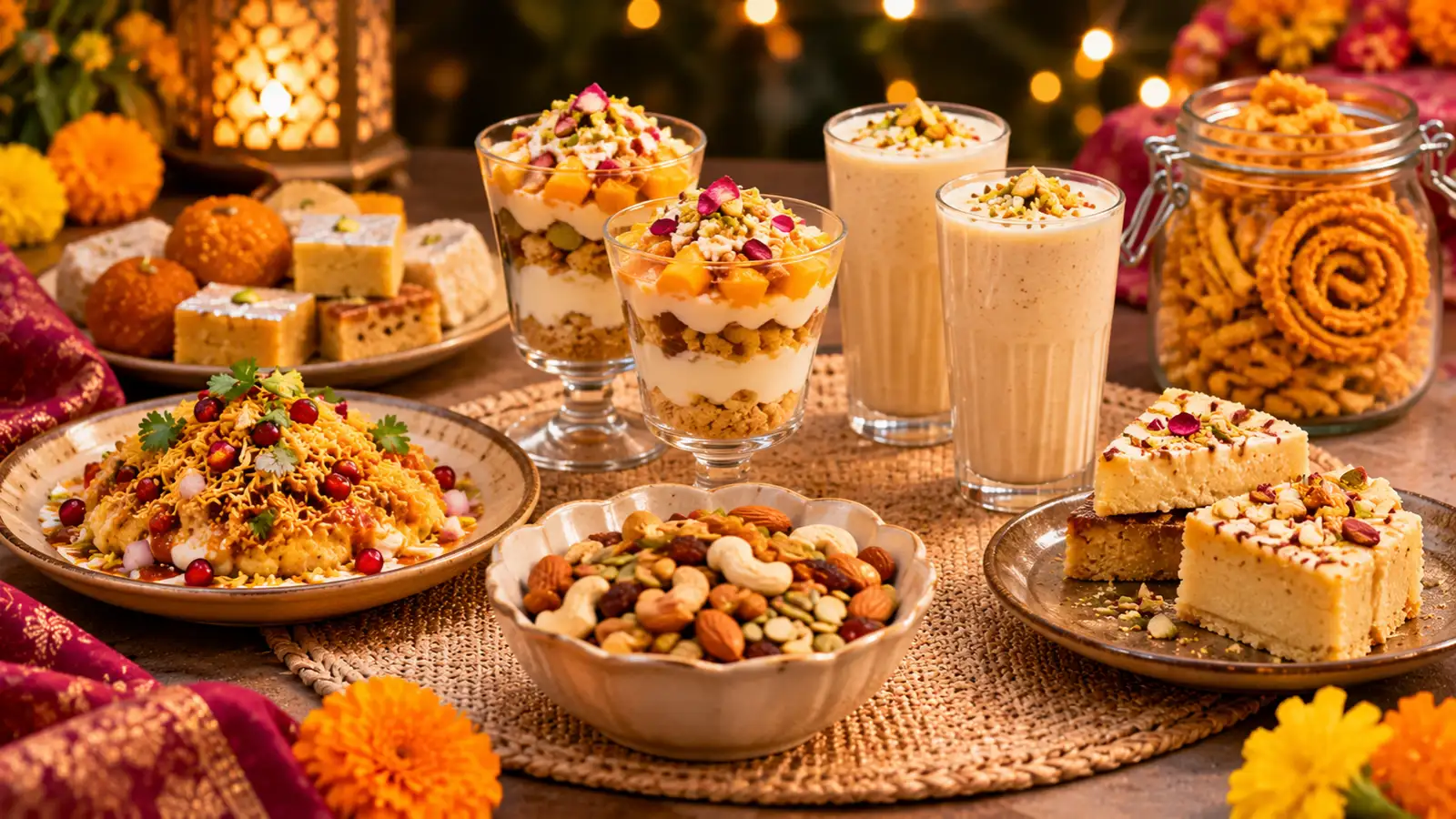
Instead of letting these treats go stale or throwing them away, you can give your leftover Diwali sweets and snacks a creative makeover. With a little effort, you can turn them into exciting desserts, delicious snacks and even thoughtful food gifts.
If you're wondering what to do with leftover Diwali food, here are seven easy and practical ways to reuse festive treats while reducing food waste.
Leftover gulab jamuns can be chopped and added to ice cream or used as a topping for rabri. Crumbled kaju katli and barfi can be used as toppings for cakes, cupcakes and cheesecakes. You can also blend leftover peda or other milk-based sweets into a dessert mixture.
These simple ideas give familiar Diwali sweets a fresh twist without requiring too many additional ingredients.
Layer crumbled biscuits, chopped barfi, fresh fruits and yoghurt or whipped cream in a glass. You can also add nuts, chocolate shavings or leftover sweet crumbs for extra flavour.
A dessert parfait is particularly useful when you have small quantities of different sweets that are not enough to serve individually. It also makes for an attractive after-dinner dessert.
You can sprinkle leftover sev or bhujia over aloo chaat, bhel puri, dahi papdi chaat or homemade sandwiches. Crushed namak pare can also be used as a crunchy topping for savoury preparations.
This is a simple way to reuse leftover Diwali snacks while creating something different for your family.
Mix your leftover dry fruits with seeds, roasted makhana and a little dark chocolate for a convenient snack. You can also add roasted pumpkin seeds or sunflower seeds to make the mixture more interesting.
Store the trail mix in an airtight container and enjoy it as an everyday snack. Just make sure the ingredients are fresh and haven't developed an unusual smell or taste.
Simply blend small portions of your chosen sweet with chilled milk and ice cream to create a thick milkshake. You can garnish it with chopped nuts or a little crumbled mithai.
Since most Indian sweets already contain sugar, avoid adding extra sweeteners unless necessary. You can also adjust the consistency by adding more milk.
You can also pack fresh, unopened or properly stored treats into small boxes and share them with people who may appreciate them. Another thoughtful option is to offer suitable food items to local community organisations or people in need, provided the food is fresh, hygienically packed and safe to consume.
Sharing festive treats is a simple way to extend the spirit of Diwali beyond the celebrations.
Store dry snacks such as chakli, namak pare and mathri in clean, airtight containers to prevent moisture from making them soggy. Milk-based sweets such as rasgulla, rasmalai and kalakand should be refrigerated promptly and consumed according to their storage requirements.
Avoid leaving perishable sweets at room temperature for extended periods. Always check for changes in smell, texture or appearance before consuming leftovers. If something has spoiled, it is safer to discard it rather than trying to reuse it.
With a little planning and proper storage, you can enjoy your favourite Diwali sweets and snacks in new ways while reducing unnecessary food waste. After all, celebrating responsibly is just as important as enjoying the festivities.
Instead of letting these treats go stale or throwing them away, you can give your leftover Diwali sweets and snacks a creative makeover. With a little effort, you can turn them into exciting desserts, delicious snacks and even thoughtful food gifts.
If you're wondering what to do with leftover Diwali food, here are seven easy and practical ways to reuse festive treats while reducing food waste.
1. Turn Leftover Sweets Into Delicious Desserts
One of the easiest ways to use leftover Diwali sweets is to incorporate them into homemade desserts. Instead of eating the same mithai every day, you can transform it into something entirely different.Leftover gulab jamuns can be chopped and added to ice cream or used as a topping for rabri. Crumbled kaju katli and barfi can be used as toppings for cakes, cupcakes and cheesecakes. You can also blend leftover peda or other milk-based sweets into a dessert mixture.
These simple ideas give familiar Diwali sweets a fresh twist without requiring too many additional ingredients.
2. Make a Festive Dessert Parfait
If you have leftover sweets, dry fruits and biscuits, consider making a dessert parfait. It is an easy way to combine different festive ingredients into one delicious treat.Layer crumbled biscuits, chopped barfi, fresh fruits and yoghurt or whipped cream in a glass. You can also add nuts, chocolate shavings or leftover sweet crumbs for extra flavour.
A dessert parfait is particularly useful when you have small quantities of different sweets that are not enough to serve individually. It also makes for an attractive after-dinner dessert.
3. Reuse Leftover Namkeen as a Chaat Topping
Leftover savoury snacks such as bhujia, sev, chakli and namak pare can be turned into delicious evening snacks. Instead of serving them as they are, use them to add a crunchy twist to homemade chaat.You can sprinkle leftover sev or bhujia over aloo chaat, bhel puri, dahi papdi chaat or homemade sandwiches. Crushed namak pare can also be used as a crunchy topping for savoury preparations.
This is a simple way to reuse leftover Diwali snacks while creating something different for your family.
4. Prepare Homemade Trail Mix With Leftover Dry Fruits
Diwali often leaves us with several packets of almonds, cashews, raisins, pistachios and other dry fruits. Rather than allowing them to sit unused in kitchen containers, you can combine them to make a homemade trail mix.Mix your leftover dry fruits with seeds, roasted makhana and a little dark chocolate for a convenient snack. You can also add roasted pumpkin seeds or sunflower seeds to make the mixture more interesting.
Store the trail mix in an airtight container and enjoy it as an everyday snack. Just make sure the ingredients are fresh and haven't developed an unusual smell or taste.
5. Make Homemade Mithai Milkshakes
Leftover Indian sweets can also be used to prepare indulgent milkshakes. This is particularly useful when you have sweets such as peda, kalakand, kaju katli or barfi that you want to use in a different way.Simply blend small portions of your chosen sweet with chilled milk and ice cream to create a thick milkshake. You can garnish it with chopped nuts or a little crumbled mithai.
Since most Indian sweets already contain sugar, avoid adding extra sweeteners unless necessary. You can also adjust the consistency by adding more milk.
6. Share Extra Sweets and Snacks With Others
Sometimes, the best way to deal with leftover Diwali food is to share it. If you have more sweets and snacks than your family can finish, consider distributing them among neighbours, friends, colleagues or relatives.You can also pack fresh, unopened or properly stored treats into small boxes and share them with people who may appreciate them. Another thoughtful option is to offer suitable food items to local community organisations or people in need, provided the food is fresh, hygienically packed and safe to consume.
Sharing festive treats is a simple way to extend the spirit of Diwali beyond the celebrations.
7. Store Leftover Sweets and Snacks Properly
Not every leftover treat needs to be used immediately. Proper storage can help maintain the freshness and quality of Diwali sweets and snacks for longer.Store dry snacks such as chakli, namak pare and mathri in clean, airtight containers to prevent moisture from making them soggy. Milk-based sweets such as rasgulla, rasmalai and kalakand should be refrigerated promptly and consumed according to their storage requirements.
Avoid leaving perishable sweets at room temperature for extended periods. Always check for changes in smell, texture or appearance before consuming leftovers. If something has spoiled, it is safer to discard it rather than trying to reuse it.
Make the Most of Your Leftover Diwali Treats
The celebrations may be over, but that doesn't mean your Diwali treats have to go to waste. From turning leftover mithai into delicious desserts to using namkeen as a chaat topping, there are plenty of creative ways to make the most of festive food.With a little planning and proper storage, you can enjoy your favourite Diwali sweets and snacks in new ways while reducing unnecessary food waste. After all, celebrating responsibly is just as important as enjoying the festivities.
Next Story