
Are Asuras Really Against God? Understanding Hindu Mythology

In Hindu mythology, some of the most powerful Asuras are also devoted worshippers of gods. Ravana worships Shiva, while Hiranyakashipu performs intense penance to please Brahma. But why would beings often portrayed as demons seek blessings from the divine?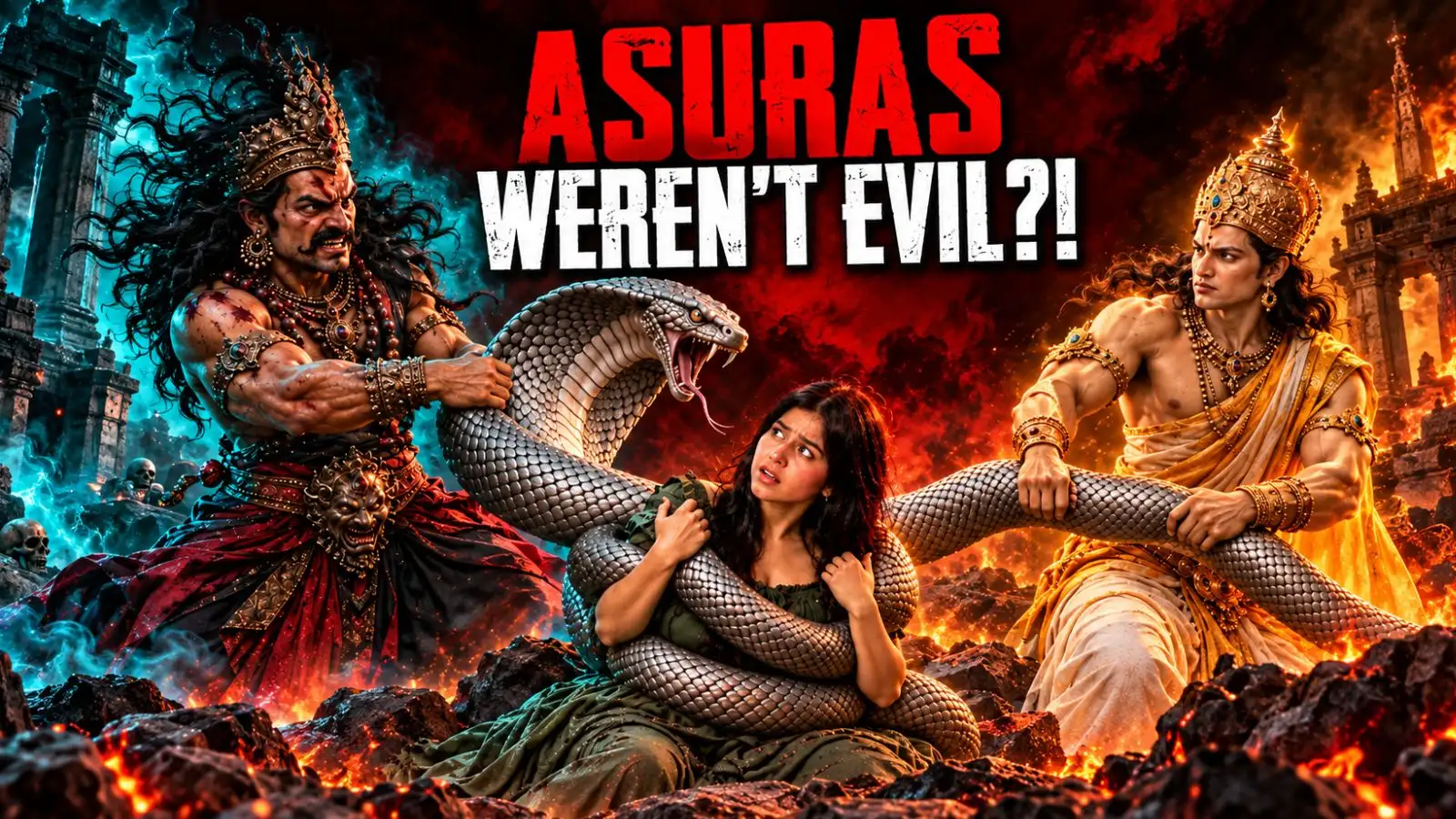
The answer lies in how Hindu mythology understands the Asuras.
This makes the Devas and Asuras part of the same extended divine family. They are not simply two unrelated groups representing good and evil.
Being an Asura does not automatically mean rejecting God. Prahlada, born into an Asura family, is one of the greatest devotees of Lord Vishnu. His story shows that devotion can exist even among those associated with the Asuras.
Watch the video
In this context, being asuric is not just about belonging to a particular group. It can also describe a person's attitude, choices and behaviour.
This distinction helps explain why an Asura can worship a god yet still act against divine principles.
However, seeking divine blessings does not necessarily mean using the resulting power for good. The purpose behind that power matters just as much.
An individual may seek strength, immortality or protection to fulfil personal ambitions. The problem arises when those desires turn into arrogance, revenge or a desire to dominate others.
The Devas and Asuras work together to obtain Amrita, the nectar of immortality. Both groups contribute to the effort because they want the extraordinary reward.
However, when the nectar appears, the question of who deserves to receive it becomes a source of conflict.
The episode highlights an important aspect of these stories: the Asuras are not necessarily opposed to the divine itself. They seek divine rewards and extraordinary powers, but their ambitions can bring them into conflict with the Devas.
Their stories instead raise questions about how power is used and what motivates those who seek it.
The same questions apply to human life. Ambition, success, influence and recognition are not necessarily bad. But when the desire for power becomes more important than compassion, humility or the well-being of others, it can lead to destructive choices.
Perhaps that is what makes the Asuras so fascinating. They can believe in divine power, worship the gods and seek their blessings, yet still allow pride and ambition to guide their actions.
The question is not always whether someone believes in God, but what they choose to do with the power they seek.
Disclaimer:This article is based on mythological stories and traditional beliefs in Hindu mythology. The content is for informational purposes only and does not represent independently verified factual claims.
The answer lies in how Hindu mythology understands the Asuras.
Who Are The Asuras?
According to Hindu Puranic traditions, the sage Kashyapa had wives, including Aditi and Diti. Aditi’s children became the Devas, while Diti’s children became the Daityas, a group commonly associated with the Asuras.This makes the Devas and Asuras part of the same extended divine family. They are not simply two unrelated groups representing good and evil.
Being an Asura does not automatically mean rejecting God. Prahlada, born into an Asura family, is one of the greatest devotees of Lord Vishnu. His story shows that devotion can exist even among those associated with the Asuras.
Watch the video
What Makes Someone Asuric?
The Bhagavad Gita offers another way to understand the distinction. It describes divine qualities and asuric qualities, including arrogance, pride, anger, harshness and excessive attachment to desires.In this context, being asuric is not just about belonging to a particular group. It can also describe a person's attitude, choices and behaviour.
This distinction helps explain why an Asura can worship a god yet still act against divine principles.
Why Do Asuras Perform Tapasya?
Ravana worships Lord Shiva, while Hiranyakashipu performs severe penance to obtain a boon from Lord Brahma. Their stories show that Asuras can have immense faith in divine power and seek blessings through devotion and austerity.However, seeking divine blessings does not necessarily mean using the resulting power for good. The purpose behind that power matters just as much.
An individual may seek strength, immortality or protection to fulfil personal ambitions. The problem arises when those desires turn into arrogance, revenge or a desire to dominate others.
The Samudra Manthan: When Devas And Asuras Worked Together
The story of Samudra Manthan, or the churning of the Ocean of Milk, offers another fascinating example.The Devas and Asuras work together to obtain Amrita, the nectar of immortality. Both groups contribute to the effort because they want the extraordinary reward.
However, when the nectar appears, the question of who deserves to receive it becomes a source of conflict.
The episode highlights an important aspect of these stories: the Asuras are not necessarily opposed to the divine itself. They seek divine rewards and extraordinary powers, but their ambitions can bring them into conflict with the Devas.
What Hindu Mythology Teaches Us
Perhaps the most interesting lesson is that the Asuras are not always defined by a lack of faith. Some worship the gods intensely, perform penance and seek divine blessings.Their stories instead raise questions about how power is used and what motivates those who seek it.
The same questions apply to human life. Ambition, success, influence and recognition are not necessarily bad. But when the desire for power becomes more important than compassion, humility or the well-being of others, it can lead to destructive choices.
Perhaps that is what makes the Asuras so fascinating. They can believe in divine power, worship the gods and seek their blessings, yet still allow pride and ambition to guide their actions.
The question is not always whether someone believes in God, but what they choose to do with the power they seek.
Disclaimer:This article is based on mythological stories and traditional beliefs in Hindu mythology. The content is for informational purposes only and does not represent independently verified factual claims.
Next Story