
Why Do People Light <i>Diyas </i>on Amavasya Night During Diwali? Know the Religious Significance

Diwali is one of the most widely celebrated festivals in India, and one sight that makes the occasion special is thousands of diyas lighting up homes, streets and temples. But have you ever wondered why people specifically light earthen lamps on Amavasya night during Diwali? The tradition is not just about decorating homes. It has deep religious and cultural significance associated with Goddess Lakshmi, Lord Rama and the victory of light over darkness.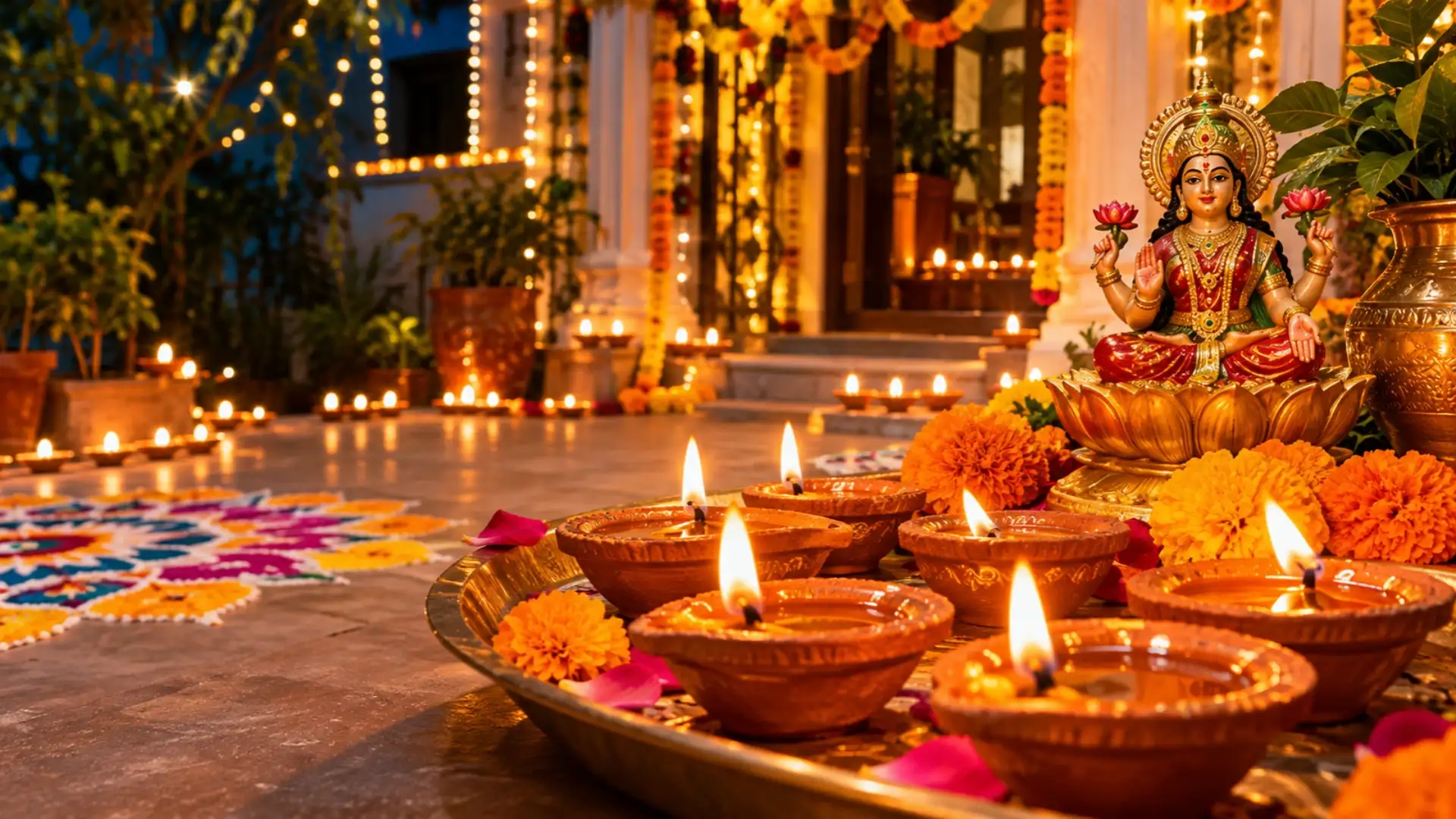
Diwali is celebrated on the Amavasya (new moon) night of the Hindu month of Kartik. Since there is no moonlight on this night, lighting diyas holds special importance. According to Hindu beliefs, these lamps symbolise hope, positivity, prosperity and the removal of darkness from life.
The festival is also associated with the return of Lord Rama to Ayodhya after 14 years of exile and his victory over Ravana. According to the Ramayana, the people of Ayodhya welcomed Lord Rama, Goddess Sita and Lakshmana by lighting rows of earthen lamps throughout the city. This is one of the most popular stories behind the tradition of lighting diyas during Diwali.
According to Hindu beliefs, Goddess Lakshmi visits clean and well-lit homes on Diwali night. Devotees light diyas at the entrance, near windows, in courtyards and around their homes to welcome the goddess and seek her blessings.
The Lakshmi puja performed on Kartik Amavasya is considered particularly auspicious. Lighting earthen lamps during the puja is believed to invite prosperity, happiness and positive energy into the household.
In Hindu philosophy, light is often associated with knowledge, wisdom and spiritual awareness. Just as a small diya can brighten a dark room, knowledge is believed to help people overcome ignorance and find the right path.
The tradition also carries a message of hope, reminding people that even a small source of light can make a difference in the darkest surroundings.
Using earthen lamps is considered a way of staying connected to traditional customs and cultural practices. Their simple appearance and warm glow also add to the festive atmosphere.
Many families light diyas at their main entrance, balconies, windows, courtyards and places of worship. Some also arrange them in rows to illuminate their homes during the festival.
Beyond the rituals, lighting a diya also serves as a reminder of hope, positivity and the importance of spreading happiness. This is why the simple tradition of lighting earthen lamps continues to hold a special place in Diwali celebrations across generations.
Diwali is celebrated on the Amavasya (new moon) night of the Hindu month of Kartik. Since there is no moonlight on this night, lighting diyas holds special importance. According to Hindu beliefs, these lamps symbolise hope, positivity, prosperity and the removal of darkness from life.
Why Is Diwali Celebrated on Amavasya Night?
Diwali falls on Kartik Amavasya , which is considered an auspicious occasion in Hindu tradition. Amavasya is the night when the moon is not visible, making the surroundings naturally darker. Lighting diyas on this night represents the victory of light over darkness and good over evil.The festival is also associated with the return of Lord Rama to Ayodhya after 14 years of exile and his victory over Ravana. According to the Ramayana, the people of Ayodhya welcomed Lord Rama, Goddess Sita and Lakshmana by lighting rows of earthen lamps throughout the city. This is one of the most popular stories behind the tradition of lighting diyas during Diwali.
The Connection Between Diyas and Goddess Lakshmi
Another important reason behind lighting diyas on Diwali Amavasya is the worship of Goddess Lakshmi, who is regarded as the deity of wealth, prosperity and good fortune.According to Hindu beliefs, Goddess Lakshmi visits clean and well-lit homes on Diwali night. Devotees light diyas at the entrance, near windows, in courtyards and around their homes to welcome the goddess and seek her blessings.
The Lakshmi puja performed on Kartik Amavasya is considered particularly auspicious. Lighting earthen lamps during the puja is believed to invite prosperity, happiness and positive energy into the household.
What Does Lighting Diyas on Amavasya Symbolise?
Lighting diyas on Diwali has a deeper meaning beyond religious rituals and home decoration. The tradition represents the removal of darkness, ignorance and negativity from life.In Hindu philosophy, light is often associated with knowledge, wisdom and spiritual awareness. Just as a small diya can brighten a dark room, knowledge is believed to help people overcome ignorance and find the right path.
You may also like
- Sikhs Celebrate Diwali & How 52 Kings Were Freed from Gwalior Fort
- Naraka Chaturdashi 2026: Why Pre-Sunrise Abhyanga Snan Wards Off Sins & Untimely Death
- Why Childless Couples Flock to Mathura on Ahoi Ashtami for the Blessing of Progeny
- Why Mothers Draw Eight Sacred Squares and Syahu's Seven Sons for Children's Longevity
- Radha Kund Ahoi Ashtami: Myth, Miracle & Why Couples Seek Radharani's Blessing
The tradition also carries a message of hope, reminding people that even a small source of light can make a difference in the darkest surroundings.
Why Are Earthen Diyas Used During Diwali?
Traditional earthen diyas, also known as mitti ke diye, hold a special place in Diwali celebrations. These lamps are generally made from clay and use cotton wicks soaked in oil or ghee.Using earthen lamps is considered a way of staying connected to traditional customs and cultural practices. Their simple appearance and warm glow also add to the festive atmosphere.
Many families light diyas at their main entrance, balconies, windows, courtyards and places of worship. Some also arrange them in rows to illuminate their homes during the festival.
The Significance of Lighting Diyas on Diwali
Lighting diyas on Kartik Amavasya is a tradition that brings together religious beliefs, cultural stories and symbolic meanings. Whether it is welcoming Goddess Lakshmi, celebrating Lord Rama's return to Ayodhya or representing the victory of light over darkness, the practice remains an important part of Diwali celebrations.Beyond the rituals, lighting a diya also serves as a reminder of hope, positivity and the importance of spreading happiness. This is why the simple tradition of lighting earthen lamps continues to hold a special place in Diwali celebrations across generations.






Loving Newspoint? Download the app now
