
Young vs Old Moon on Karwa Chauth: Know the Truth, Ritual Rules, and Right Time to Break Your Fast


Sighting the lunar crescent forms the vital spiritual climax of the sacred festival of Karwa Chauth, yet millions of fasting women across northern India often face intense confusion over an age-old folk debate: should one worship the "young moon" immediately upon rising, or wait for the celestial body to assume its mature, full elevation? In various parts of Uttar Pradesh, regional folklore strongly differentiates between the two stages, with local beliefs dictating that offering arghya to a so-called "old moon" could bring adverse effects upon the husband’s longevity.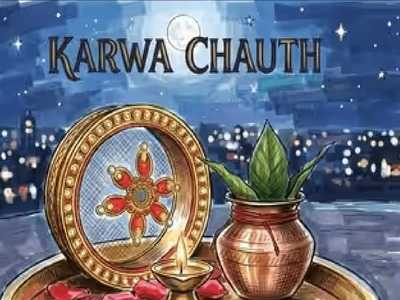 Clarifying these persistent doubts, renowned priests from Vrindavan's Banke Bihari Temple have dispelled widespread superstitions, detailing the exact astrological dynamics and scriptural sanctions governing lunar worship on this holy day.Scriptural Reality vs Folk Beliefs: Vrindavan Priest Decodes the 'Young' and 'Old' Moon MythThe distinction between different phases of moonrise on Karwa Chauth is primarily rooted in regional folklore rather than orthodox canonical texts:No Vedic Basis for Misfortune: Pandit Shrinath Goswami, closely associated with the holy Banke Bihari Temple in Vrindavan, stated that the notion of an "old moon" causing harm is purely a localized folk tradition and finds no mention across standard Hindu scriptures or the Dharma Shastras.Higher Vibrational Energy at Rising: Pandit Goswami explained that the rising moon—termed the "young moon"—is endowed with nascent, potent positive energy, making the initial emergence the most vibrant window for performing arghya and completing the puja rituals.Flexibility in Observance: Devotees are free to break their waterless fast by offering prayers at any point after moonrise, whether immediately as the moon surfaces or once it ascends fully into the night sky, without worrying about astrological adversity.Psychological & Astrological Benefits: Why Worshipping the Rising Moon Enhances Marital HarmonyIn Vedic astrology, Chandra Dev represents the emotional core, mental stability, and maternal calm:Eliminating Domestic Strife: Because the moon governs mental temperaments and emotional balance, offering arghya during moonrise cools temperaments, dissolves petty marital friction, and deepens mutual affection between spouses.Attaining Mental Equilibrium: Performing prayers to Chandra Dev brings profound psychological grounding and peaceful contemplation, instilling long-term stability and emotional security within the marital bond.Fostering Prosperity and Positive Chi: The act of gazing at the serene celestial body through the traditional sieve and offering fresh water invites positive vibrations into the household, helping dissolve persistent family discord and attracting sustained prosperity.
Next Story