
Weightlifting at the Asian Games: Examining India's Historical Medal Tally Since 1951

Weightlifting has formed an integral component of the Asian Games since the multi sport event made its international debut in New Delhi in 1951. Over the course of more than seven decades, continental powerhouses such as China, North Korea, Iran and South Korea have established considerable dominance on the platform. For India, weightlifting has yielded notable triumphs at the Commonwealth Games and the Olympic Games, yet success at the Asian Games has proved far more challenging to secure consistently.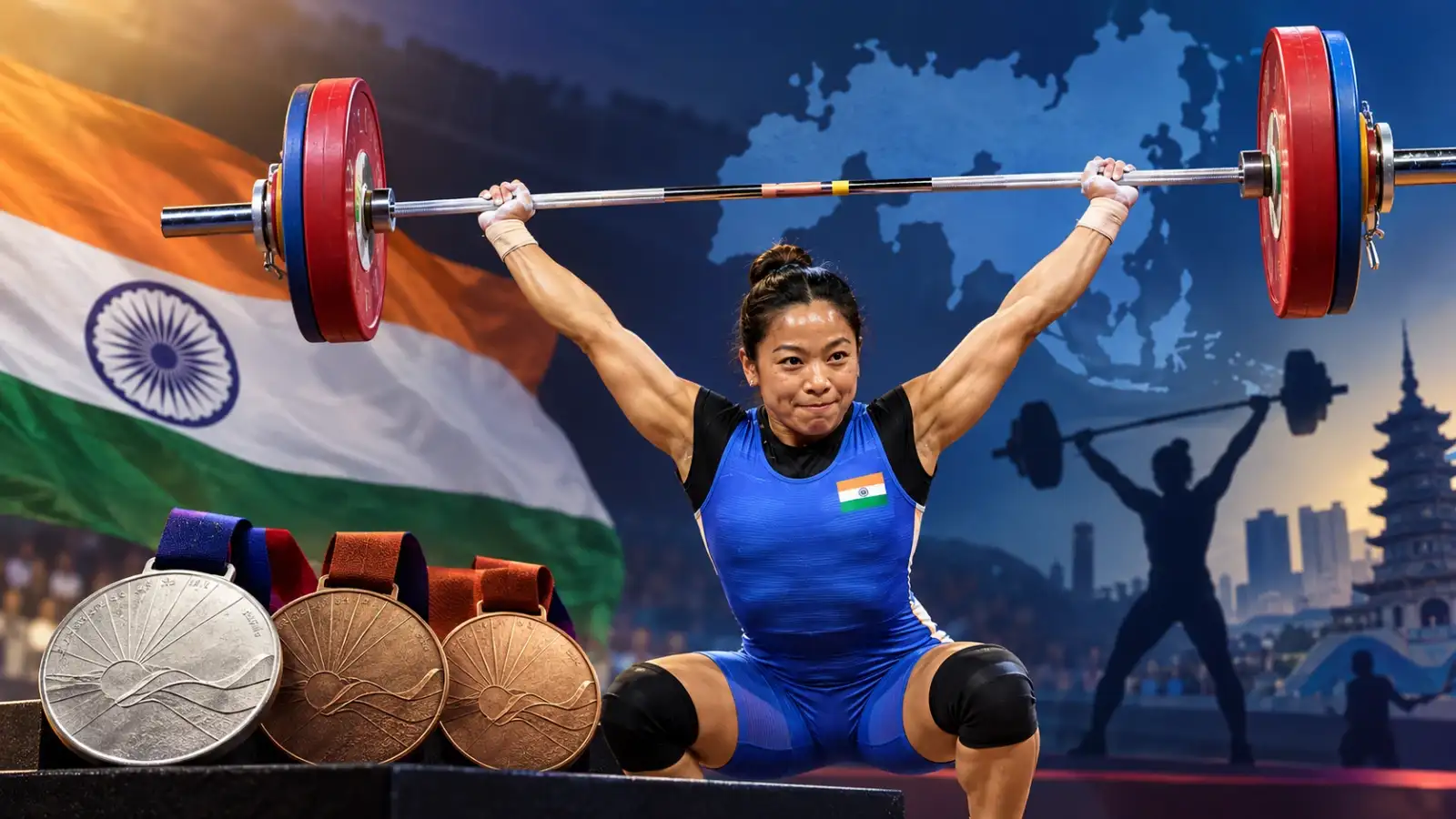
In total, Indian lifters have secured 15 medals at the Asian Games since the inaugural competition in 1951. This overall tally comprises six silver medals and nine bronze medals. An elusive gold medal remains absent from the nation's historical record in this discipline at the continental level.
Throughout the 1960s, 1970s and 1980s, podium appearances for Indian lifters occurred sporadically. Success arrived in flashes through dedicated athletes such as Eswara Rao and M.L. Ghosh, who earned medals in their respective weight classes amidst increasingly fierce opposition.
Karnam Malleswari stood out as a dominant figure during this transformative decade. Before making history as India's first female Olympic medallist at Sydney 2000, Malleswari delivered stellar performances at the Asian Games. She claimed a silver medal at the 1994 Hiroshima Asian Games in the 54kg category, and subsequently repeated her silver medal achievement at the 1998 Bangkok Asian Games.
In addition to Malleswari, trailblazing lifters such as Nameirakpam Kunjarani Devi, Jyotsna Dutta and Chhaya Adak made substantial contributions to the nation's medal count. Kunjarani Devi secured multiple bronze medals across different editions, showcasing remarkable durability and technical excellence.
That long wait finally concluded when Olympic silver medallist Saikhom Mirabai Chanu delivered a memorable performance in the women's 49kg category. By earning a silver medal, Chanu added the 15th overall Asian Games weightlifting medal to India's historic tally, effectively breaking a 28 year podium drought that had persisted since 1998.
While the total count of 15 medals reflects the intense rivalry present within Asian weightlifting, the continued progress of Indian lifters on the world stage suggests that the pursuit of a historic first Asian Games gold medal remains a realistic ambition for future editions.
In total, Indian lifters have secured 15 medals at the Asian Games since the inaugural competition in 1951. This overall tally comprises six silver medals and nine bronze medals. An elusive gold medal remains absent from the nation's historical record in this discipline at the continental level.
Early Days and Initial Podium Finishes
India made an immediate impression when the Asian Games launched on home soil in New Delhi in 1951. During that historic opening edition, Indian lifters earned two medals to establish the nation on the continental weightlifting map. Parimal Roy secured a silver medal in the men's middleweight category, while Dhangar took home a bronze medal in the same event. These early performances provided a promising foundation, though the competition intensified rapidly in subsequent editions as East Asian and Middle Eastern nations developed highly sophisticated training systems.Throughout the 1960s, 1970s and 1980s, podium appearances for Indian lifters occurred sporadically. Success arrived in flashes through dedicated athletes such as Eswara Rao and M.L. Ghosh, who earned medals in their respective weight classes amidst increasingly fierce opposition.
The Rise of Women Lifters and Malleswari's Legacy
The landscape of Indian weightlifting underwent a major transformation during the 1990s, driven largely by the emergence of world class female athletes. The inclusion of women's weightlifting in continental and international competitions opened fresh avenues for Indian success.Karnam Malleswari stood out as a dominant figure during this transformative decade. Before making history as India's first female Olympic medallist at Sydney 2000, Malleswari delivered stellar performances at the Asian Games. She claimed a silver medal at the 1994 Hiroshima Asian Games in the 54kg category, and subsequently repeated her silver medal achievement at the 1998 Bangkok Asian Games.
In addition to Malleswari, trailblazing lifters such as Nameirakpam Kunjarani Devi, Jyotsna Dutta and Chhaya Adak made substantial contributions to the nation's medal count. Kunjarani Devi secured multiple bronze medals across different editions, showcasing remarkable durability and technical excellence.
The Modern Era and Ending the Drought
Following the 1998 Games in Bangkok, Indian weightlifting entered a prolonged medal drought at the Asian Games. For over two decades, Indian lifters struggled to reach the podium, frequently finishing just outside the top three places. The high technical standard set by lifters from North Korea, China and Kazakhstan made the continental stage one of the most demanding arenas in world sport.That long wait finally concluded when Olympic silver medallist Saikhom Mirabai Chanu delivered a memorable performance in the women's 49kg category. By earning a silver medal, Chanu added the 15th overall Asian Games weightlifting medal to India's historic tally, effectively breaking a 28 year podium drought that had persisted since 1998.
While the total count of 15 medals reflects the intense rivalry present within Asian weightlifting, the continued progress of Indian lifters on the world stage suggests that the pursuit of a historic first Asian Games gold medal remains a realistic ambition for future editions.
Next Story