
Key Suzuka Circuit Corners That Often Decide Formula 1 Race Outcomes With Precision Driving And High-Speed Risk

Why Suzuka Circuit Is A True Test Of Driver Skill: The Suzuka Circuit is widely regarded as one of the most demanding tracks in Formula 1. Its unique figure-eight layout, fast directional changes, and technical corners make it a circuit where driver skill plays a decisive role.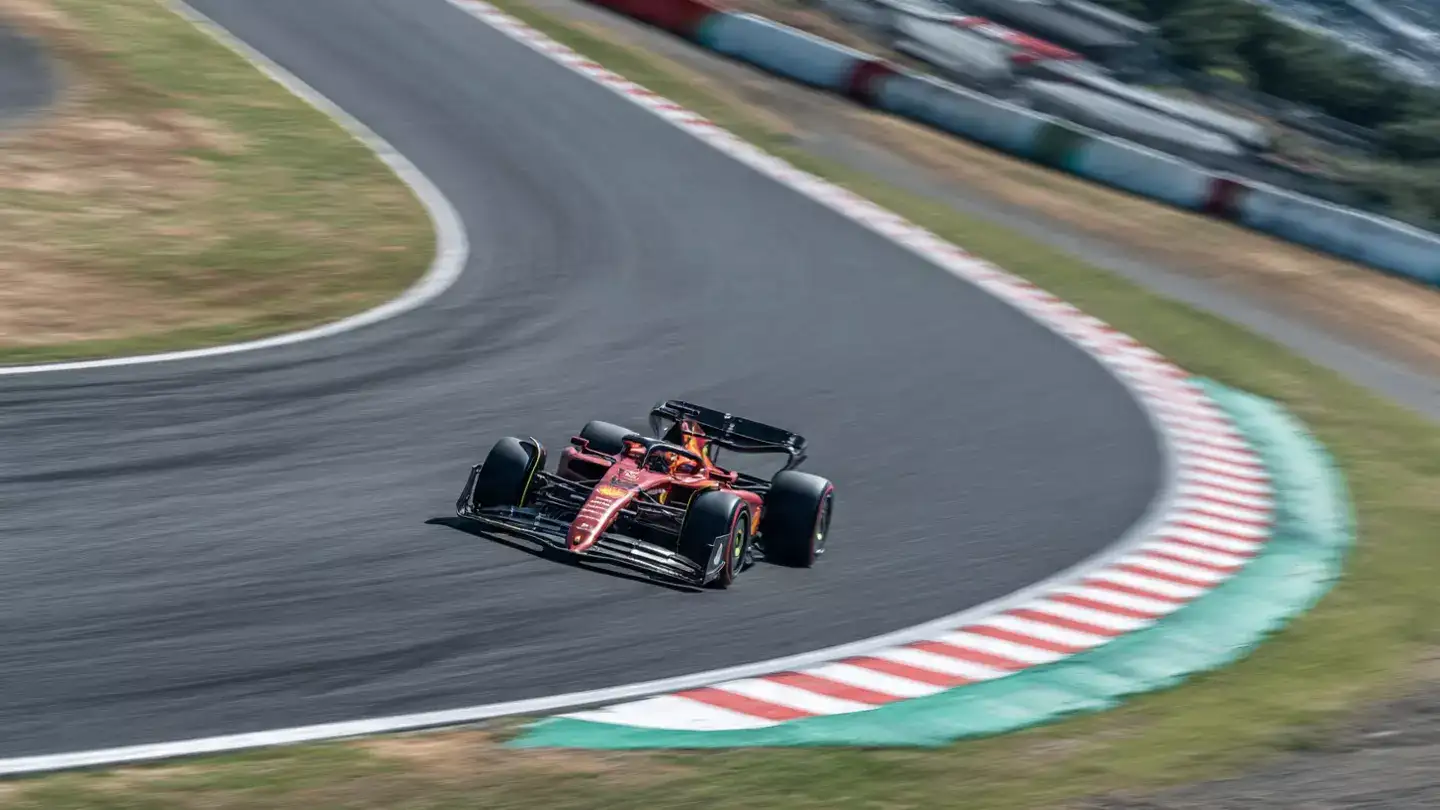
Unlike tracks that rely heavily on long straights and heavy braking zones, Suzuka rewards rhythm, precision, and consistency. Small errors can quickly escalate into lost positions, while perfectly executed laps can create race-defining advantages. This is why certain corners at Suzuka repeatedly influence the final outcome of the race.
This section is not typically an overtaking zone, but it sets the tone for the rest of the lap. A clean run through the Esses allows drivers to maintain speed and position, while even a minor mistake can compromise the entire sector.
In qualifying, this section is crucial for setting competitive lap times. During the race, it tests tyre management and car stability, especially as fuel loads change.
Drivers often push the limits here, and it is not uncommon to see errors that result in off-track excursions or damage. Because of their narrow nature, there is little room for correction once a mistake is made.
A clean run through Degner is essential for maintaining speed heading into the next sector, making it a subtle but important part of the lap.
The exit from Spoon is particularly important, as it leads onto a long straight where slipstreaming opportunities arise. A strong exit can help drivers defend their position or set up an overtaking move.
Conversely, a poor exit can leave a driver vulnerable to attacks from behind. Tyre wear and throttle control are key factors here, especially in the later stages of the race.
Modern cars typically take 130R with minimal lifting, but it remains a corner where precision is non-negotiable. A slight miscalculation can lead to significant consequences.
Because it comes late in the lap, performance through 130R can influence overtaking opportunities into the following chicane, making it a vital section in wheel-to-wheel battles.
Drivers often position themselves carefully through the preceding corners to maximise their chances here. Clean execution is crucial, as mistakes can lead to lost positions or penalties.
This section has been the scene of many dramatic moments in the Japanese Grand Prix, underlining its importance in race outcomes.
Drivers must think several corners ahead, balancing speed, tyre wear, and track position. This strategic complexity is what makes Suzuka a favourite among drivers and fans alike.
Unlike circuits where overtaking is straightforward, Suzuka rewards those who can build an advantage over multiple corners, turning consistency into race-winning performance.
From the flowing Esses to the high-speed intensity of 130R and the decisive braking at the Casio Triangle, every section contributes to the final outcome.
In a sport where margins are incredibly small, Suzuka stands out as a track where true skill and composure can make all the difference between victory and defeat.
Image Courtesy: Meta AI
Unlike tracks that rely heavily on long straights and heavy braking zones, Suzuka rewards rhythm, precision, and consistency. Small errors can quickly escalate into lost positions, while perfectly executed laps can create race-defining advantages. This is why certain corners at Suzuka repeatedly influence the final outcome of the race.
The Esses And The Importance Of Early Lap Rhythm
The opening sector, famously known as the Esses, is a sequence of high-speed, flowing corners that require absolute precision. Drivers must carry momentum while maintaining perfect balance through each turn.This section is not typically an overtaking zone, but it sets the tone for the rest of the lap. A clean run through the Esses allows drivers to maintain speed and position, while even a minor mistake can compromise the entire sector.
In qualifying, this section is crucial for setting competitive lap times. During the race, it tests tyre management and car stability, especially as fuel loads change.
Degner Curves And The Risk Of Losing Control
Following the Esses, the Degner curves present a sharp shift in character. These fast right-hand corners demand aggressive entry speeds combined with precise control.Drivers often push the limits here, and it is not uncommon to see errors that result in off-track excursions or damage. Because of their narrow nature, there is little room for correction once a mistake is made.
A clean run through Degner is essential for maintaining speed heading into the next sector, making it a subtle but important part of the lap.
Spoon Curve Where Strategy And Precision Meet
One of the most iconic corners at Suzuka, Spoon Curve is a long, double-apex left-hander that plays a critical role in race strategy.The exit from Spoon is particularly important, as it leads onto a long straight where slipstreaming opportunities arise. A strong exit can help drivers defend their position or set up an overtaking move.
Conversely, a poor exit can leave a driver vulnerable to attacks from behind. Tyre wear and throttle control are key factors here, especially in the later stages of the race.
130R The Ultimate High-Speed Challenge
The legendary 130R corner is one of the fastest and most exhilarating turns in Formula 1. Taken at extremely high speeds, it demands complete confidence in both the car and the driver.Modern cars typically take 130R with minimal lifting, but it remains a corner where precision is non-negotiable. A slight miscalculation can lead to significant consequences.
Because it comes late in the lap, performance through 130R can influence overtaking opportunities into the following chicane, making it a vital section in wheel-to-wheel battles.
You may also like
- Eddie Hearn unleashes fresh tirade at Dana White - 'Disgrace'
- Keir Starmer to step in to keep World Snooker Championship at Crucible - 'When and not if'
- “He again ducked Ilia Topuria”: Islam Makhachev's training video goes viral after Dana White confirmed hand injury, fans demand answers from UFC President
- IPL: Trent Boult's dominance over Sunil Narine, the batter
- Community Shield moved out of England as FA confirm new host venue
Casio Triangle The Prime Overtaking Zone
At the end of the lap lies the Casio Triangle chicane, one of the best overtaking opportunities on the circuit. Heavy braking and tight turns create the perfect conditions for late moves and defensive driving.Drivers often position themselves carefully through the preceding corners to maximise their chances here. Clean execution is crucial, as mistakes can lead to lost positions or penalties.
This section has been the scene of many dramatic moments in the Japanese Grand Prix, underlining its importance in race outcomes.
How Suzuka’s Corners Shape Race Results
What makes Suzuka truly special is how its corners are interconnected. Success in one section often depends on performance in the previous one.Drivers must think several corners ahead, balancing speed, tyre wear, and track position. This strategic complexity is what makes Suzuka a favourite among drivers and fans alike.
Unlike circuits where overtaking is straightforward, Suzuka rewards those who can build an advantage over multiple corners, turning consistency into race-winning performance.
A Circuit That Continues To Define Greatness
Suzuka Circuit remains one of the most respected venues in Formula 1 because it consistently challenges drivers to perform at their highest level. Each corner tells a story of precision, risk, and strategy.From the flowing Esses to the high-speed intensity of 130R and the decisive braking at the Casio Triangle, every section contributes to the final outcome.
In a sport where margins are incredibly small, Suzuka stands out as a track where true skill and composure can make all the difference between victory and defeat.
Image Courtesy: Meta AI






More from our partners


Loving Newspoint? Download the app now
