
Chess With a Grandfather: What a Slow Game Teaches

The board comes out after lunch, when the house is slow and the ceiling fan turns at its lowest setting. Your grandfather does not rush the pieces into position. He places each one with the same deliberate care, as if the game has already begun in his head and he is simply making it visible.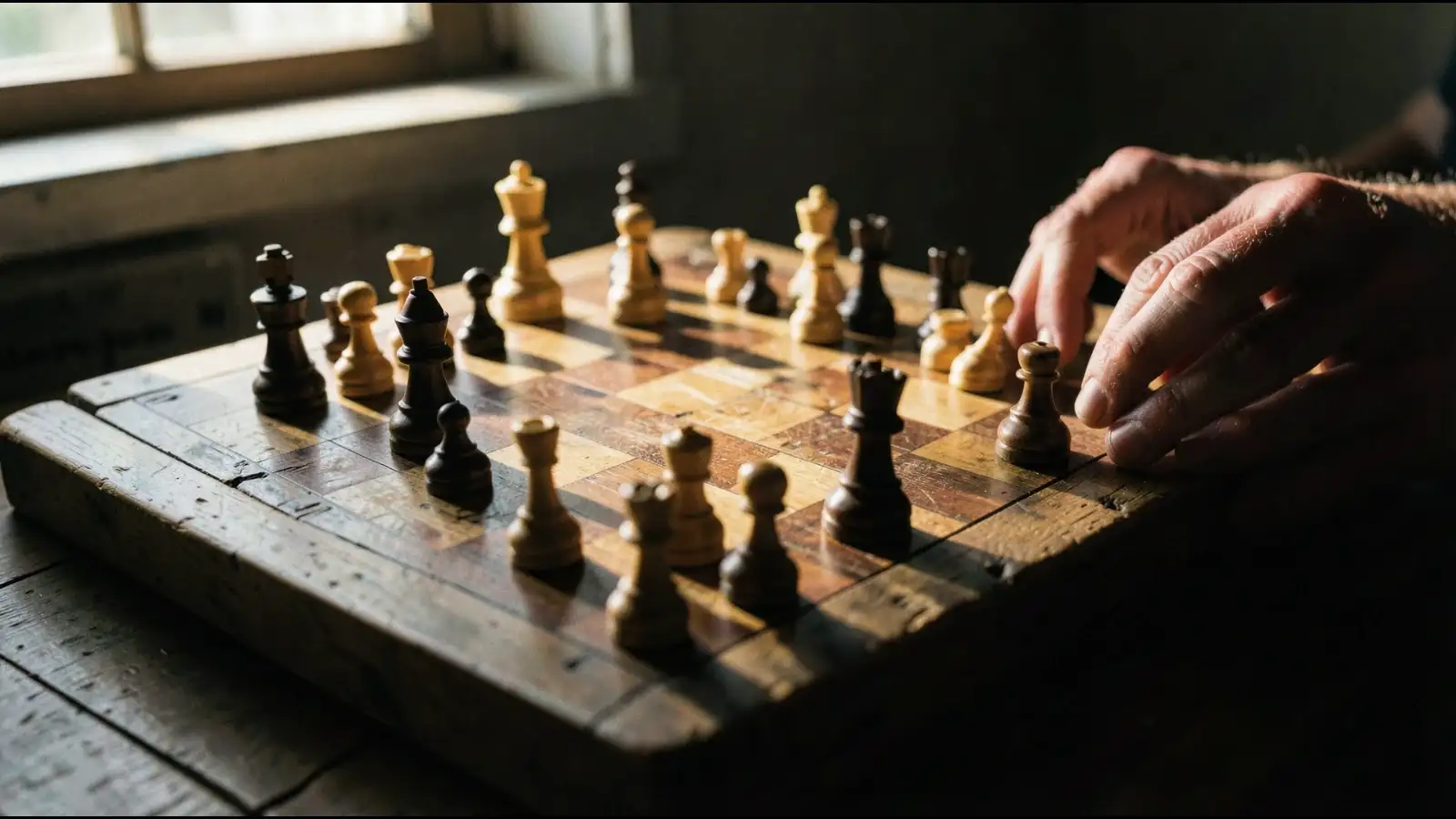
Chess between generations is not really about chess. It is about what happens when two people sit across from each other with nothing urgent to do, and one of them has lived long enough to know that most urgency is invented.
This is not a lesson a grandfather delivers as a speech. He delivers it by taking your rook with a bishop you forgot about three moves ago. The lesson lands because it costs something.
Patience in chess is not passive. It is the active work of holding a plan while your opponent tries to undo it, of resisting the impulse to attack when the position does not yet support an attack. Grandfathers are often better at this than their grandchildren, not because they are cleverer, but because they have learned that most problems resolve themselves if you do not make them worse.
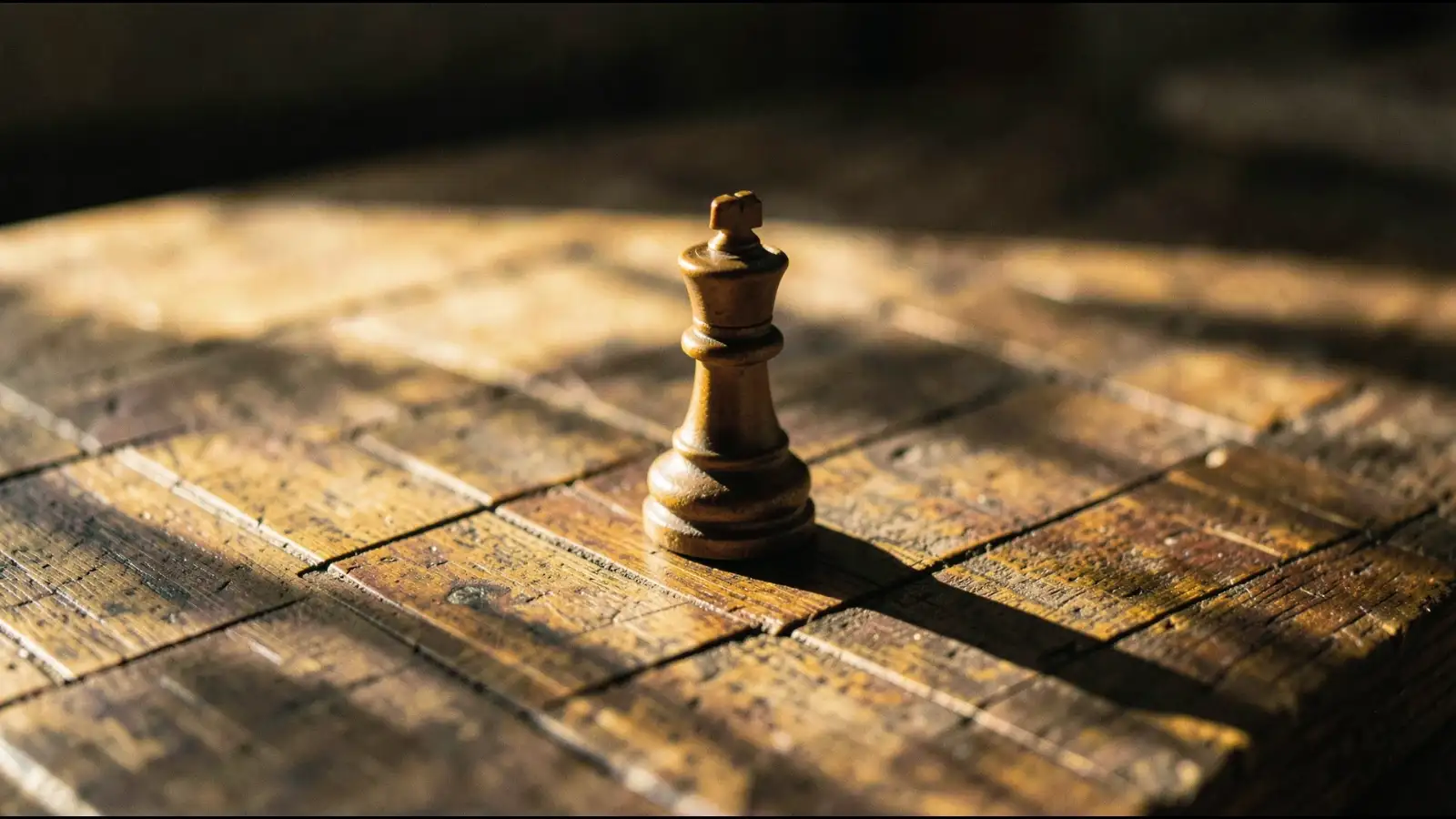
Playing chess with someone older teaches a version of this. A grandfather does not play to humiliate. He plays to test, and sometimes he lets a game run long so you can find the idea yourself. He has seen enough of life to know that the person who finds the answer on their own remembers it. The person who is told the answer forgets it by dinner.
The skill being built is not calculation. It is the habit of asking, before any move: what does this make possible, and what does it give away? That question, applied to decisions outside chess, is worth more than any opening theory.
Grandfathers who play chess well tend to lose gracefully too, when it happens. They tip the king without drama. They say what you did well before they say what they would have done differently. This is its own instruction: how to receive a result, good or bad, without making the result the whole story.
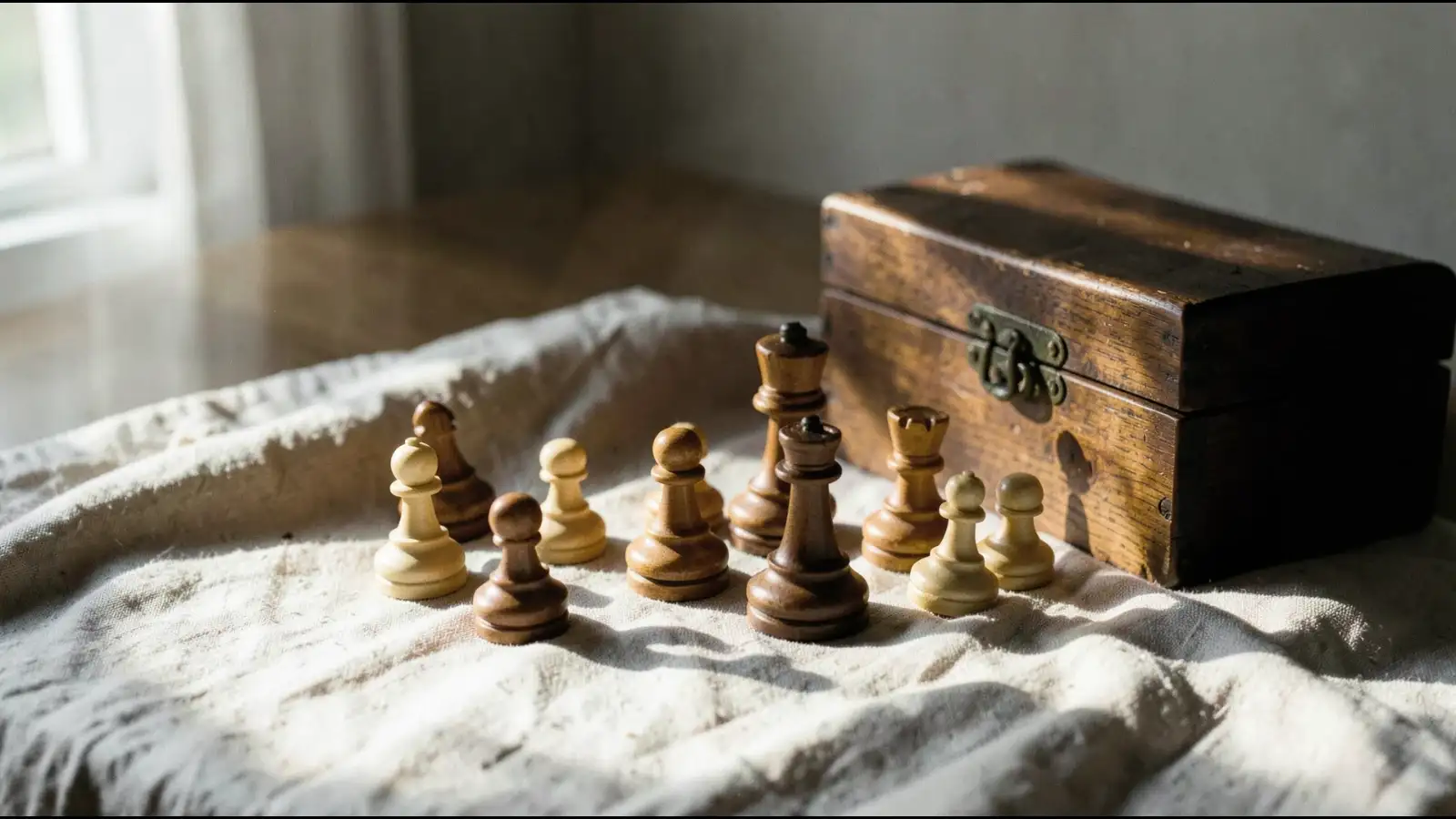
The game ends. The pieces go back in the box. The afternoon moves on. But the shape of that last game, the mistake, the recovery, the missed opportunity, stays longer than most afternoons do.
In that slowness, something else happens. Conversation finds its way in, not the kind that fills silence, but the kind that arrives because two people are relaxed and thinking. A grandfather mentions something he has not mentioned before. A grandchild asks something they would not have asked at the dinner table. The board gives both of them somewhere to look when the talking gets close to something real.
Chess played this way is not training for a tournament. It is practice for the kind of attention that most of life does not reward, steady, unhurried, present to what is actually in front of you rather than what you wish were there. The grandfather already knows this. The grandchild is just beginning to.
Chess between generations is not really about chess. It is about what happens when two people sit across from each other with nothing urgent to do, and one of them has lived long enough to know that most urgency is invented.
The Game That Punishes Impatience
Chess has no dice, no draw pile, no luck. Every position on the board is a consequence of choices made earlier, and that chain of consequence runs back to the very first move. A child learning this feels it as frustration, why did I lose?, and then, slowly, as something more useful: the position I am in now was made by me, and so was the position I will be in next.This is not a lesson a grandfather delivers as a speech. He delivers it by taking your rook with a bishop you forgot about three moves ago. The lesson lands because it costs something.
Patience in chess is not passive. It is the active work of holding a plan while your opponent tries to undo it, of resisting the impulse to attack when the position does not yet support an attack. Grandfathers are often better at this than their grandchildren, not because they are cleverer, but because they have learned that most problems resolve themselves if you do not make them worse.
Thinking Ahead Without Controlling Everything
The grandmaster's cliché, think ten moves ahead, is not quite right. What strong players actually do is think a few moves deep and then revise as the position changes. The board is never static. Your opponent has intentions of their own.Playing chess with someone older teaches a version of this. A grandfather does not play to humiliate. He plays to test, and sometimes he lets a game run long so you can find the idea yourself. He has seen enough of life to know that the person who finds the answer on their own remembers it. The person who is told the answer forgets it by dinner.
The skill being built is not calculation. It is the habit of asking, before any move: what does this make possible, and what does it give away? That question, applied to decisions outside chess, is worth more than any opening theory.
Losing as Information
A child who loses to a grandfather at chess is in a better position than one who wins too easily. The loss is a map. It shows exactly where the thinking broke down, the square left unguarded, the exchange that looked even but wasn't, the moment impatience overrode the plan.Grandfathers who play chess well tend to lose gracefully too, when it happens. They tip the king without drama. They say what you did well before they say what they would have done differently. This is its own instruction: how to receive a result, good or bad, without making the result the whole story.
The game ends. The pieces go back in the box. The afternoon moves on. But the shape of that last game, the mistake, the recovery, the missed opportunity, stays longer than most afternoons do.
What the Slowness Is For
Chess between a grandchild and a grandfather is slow by nature. Neither player is in a hurry. There is no prize, no audience, no clock ticking on the wall. The slowness is not a defect of the game. It is the game's whole point.In that slowness, something else happens. Conversation finds its way in, not the kind that fills silence, but the kind that arrives because two people are relaxed and thinking. A grandfather mentions something he has not mentioned before. A grandchild asks something they would not have asked at the dinner table. The board gives both of them somewhere to look when the talking gets close to something real.
Chess played this way is not training for a tournament. It is practice for the kind of attention that most of life does not reward, steady, unhurried, present to what is actually in front of you rather than what you wish were there. The grandfather already knows this. The grandchild is just beginning to.
Next Story