
F1 Miami Grand Prix: Three Reasons Mercedes Missed the Front Row Sweep

Lando Norris’s pole position for Formula 1’s Miami Grand Prix sprint race has ended one of the biggest trends of the season so far. For the first time in 2026, Mercedes has been knocked off the top spot outside of a practice session.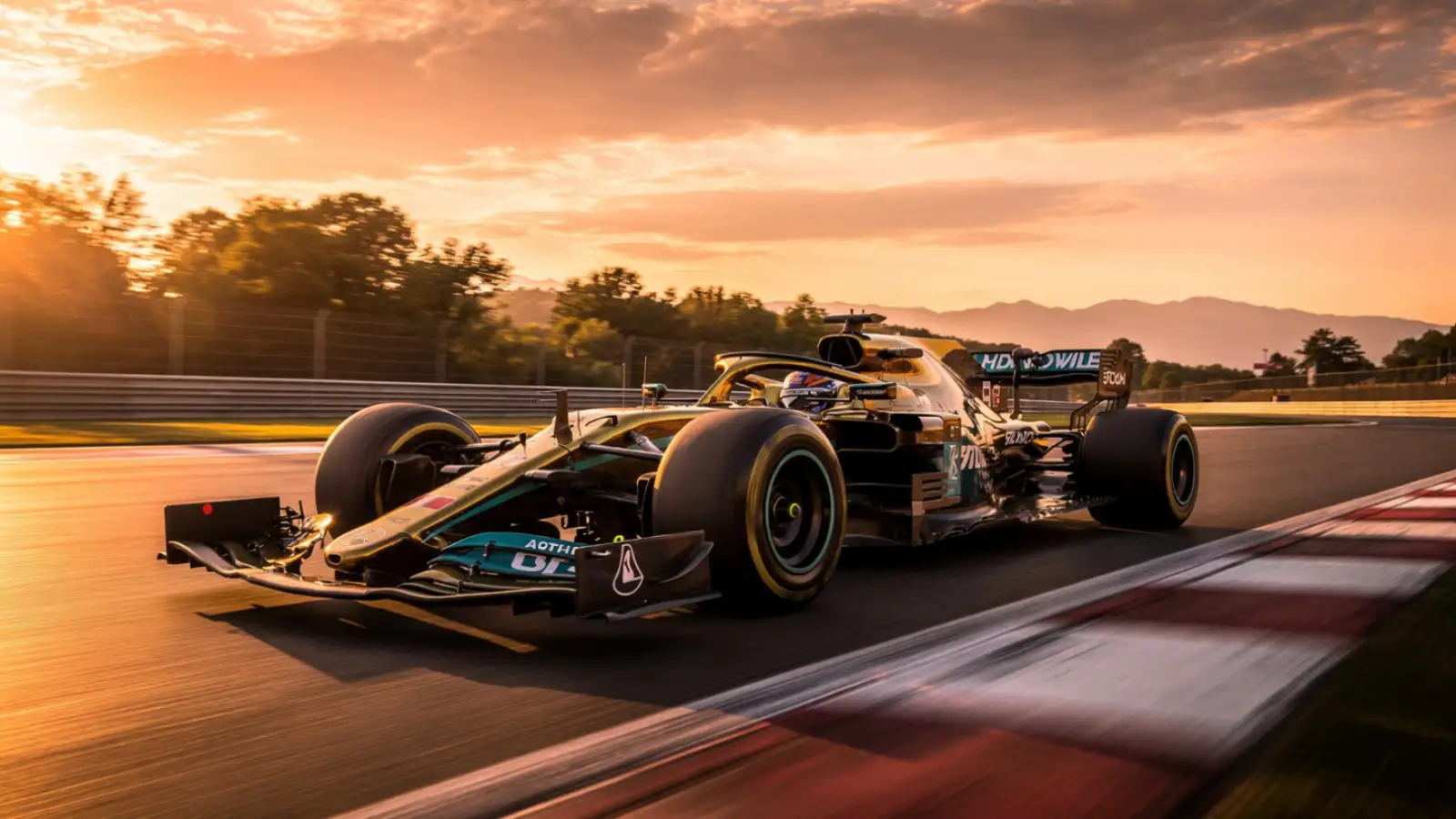
Kimi Antonelli produced a strong late lap to get within 0.222 seconds of his McLaren rival and secured second place. But George Russell could only manage sixth, which means Mercedes has failed to lock out the front row of the grid for the first time this season.
That sudden shift in the Formula 1 pecking order has naturally raised questions about what caused it, especially on a weekend when F1 introduced several rule changes aimed at improving the qualifying spectacle.
However, the change in performance had nothing to do with the new recharge limits or harvesting tweaks. Miami is an energy-rich circuit, so those regulation refinements were never expected to make a major impact here.
Instead, there were three clear reasons why Mercedes’ run of flawless qualifying results came to an end at the Miami Grand Prix.
That said, one of the biggest issues for Mercedes in Miami sprint qualifying was that neither driver felt fully comfortable with the car’s set-up.
Russell, in particular, struggled to find confidence. With the car sliding more than usual, tyre overheating quickly became a problem.
“Miami's not a track that I love, to be honest, especially with these hotter conditions,” he said.
“I was just overheating the tyres a lot in that twisty section in the middle. I was struggling to get the right balance with the car. Not much more to say than that really.”
Antonelli also admitted that things had been “pretty messy” during the earlier sessions. He struggled to get the medium tyres working properly before everything suddenly clicked on the soft tyres in SQ3.
Mercedes caught McLaren off guard in Australia with just how effectively it handled the new harvesting and deployment systems. Since then, McLaren has invested a lot of effort into understanding exactly how to maximise that part of performance.
That work already showed signs of progress in Japan, where McLaren used a slightly different deployment approach from Mercedes by using more power on the start-finish straight.
In Miami sprint qualifying, McLaren again chose a different route, and this time it appeared to pay off even more.
Telemetry from Lando Norris’s pole lap compared with Kimi Antonelli’s best effort shows McLaren deployed more energy on the exit of Turn 3.
That gave Norris a speed advantage of just over 20km/h over the Mercedes through that section of the Miami circuit.
It also meant Norris had slightly less energy available for some of the key straights later in the lap. But despite that, Mercedes did not appear to gain enough back by choosing to deploy its energy in different areas.
For Mercedes, this will be an important lesson ahead of proper qualifying on Saturday. The team will almost certainly study whether a different energy deployment strategy can bring better results.
Interestingly, Mercedes was not one of the teams that arrived with major new parts. Its changes were limited to a small exhaust wing and a tweak to the front brake drum.
Mercedes has instead decided to hold back a larger package until at least the Canadian Grand Prix. The idea is to give itself more development time rather than rushing upgrades onto the car.
That strategy always carried some risk, especially when rivals such as McLaren, Ferrari and Red Bull all arrived in Miami with more substantial development packages.
That risk appears to have become very clear in sprint qualifying.
Mercedes’ three main rivals all looked to have taken a step forward in outright pace, and George Russell admitted the size of that improvement was bigger than expected.
“It’s pretty surprising how big a jump McLaren and Ferrari have made, so that's pretty damn impressive,” he said. “We knew they'd probably close the gap, but they've been quicker than us.”
For now, the team will focus on fine-tuning its set-up and possibly rethinking its energy deployment strategy to recover ground in qualifying.
Longer term, Mercedes will hope that delaying its bigger upgrade package proves worthwhile. If the planned improvements for later races deliver the gains it expects, this temporary setback in Miami may not matter too much over the full Formula 1 season.
Kimi Antonelli produced a strong late lap to get within 0.222 seconds of his McLaren rival and secured second place. But George Russell could only manage sixth, which means Mercedes has failed to lock out the front row of the grid for the first time this season.
That sudden shift in the Formula 1 pecking order has naturally raised questions about what caused it, especially on a weekend when F1 introduced several rule changes aimed at improving the qualifying spectacle.
However, the change in performance had nothing to do with the new recharge limits or harvesting tweaks. Miami is an energy-rich circuit, so those regulation refinements were never expected to make a major impact here.
Instead, there were three clear reasons why Mercedes’ run of flawless qualifying results came to an end at the Miami Grand Prix.
Mercedes did not get the set-up right
A lot of the praise around Mercedes this season has focused on its power unit, but both George Russell and Kimi Antonelli have repeatedly highlighted just how strong the W17 chassis has been.That said, one of the biggest issues for Mercedes in Miami sprint qualifying was that neither driver felt fully comfortable with the car’s set-up.
Russell, in particular, struggled to find confidence. With the car sliding more than usual, tyre overheating quickly became a problem.
“Miami's not a track that I love, to be honest, especially with these hotter conditions,” he said.
“I was just overheating the tyres a lot in that twisty section in the middle. I was struggling to get the right balance with the car. Not much more to say than that really.”
Antonelli also admitted that things had been “pretty messy” during the earlier sessions. He struggled to get the medium tyres working properly before everything suddenly clicked on the soft tyres in SQ3.
McLaren’s different energy deployment made a difference
One area McLaren has worked hard on since the start of the Formula 1 season is energy management.Mercedes caught McLaren off guard in Australia with just how effectively it handled the new harvesting and deployment systems. Since then, McLaren has invested a lot of effort into understanding exactly how to maximise that part of performance.
That work already showed signs of progress in Japan, where McLaren used a slightly different deployment approach from Mercedes by using more power on the start-finish straight.
In Miami sprint qualifying, McLaren again chose a different route, and this time it appeared to pay off even more.
Telemetry from Lando Norris’s pole lap compared with Kimi Antonelli’s best effort shows McLaren deployed more energy on the exit of Turn 3.
That gave Norris a speed advantage of just over 20km/h over the Mercedes through that section of the Miami circuit.
It also meant Norris had slightly less energy available for some of the key straights later in the lap. But despite that, Mercedes did not appear to gain enough back by choosing to deploy its energy in different areas.
For Mercedes, this will be an important lesson ahead of proper qualifying on Saturday. The team will almost certainly study whether a different energy deployment strategy can bring better results.
You may also like
- F1 LIVE: Lando Norris investigation verdict as Charles Leclerc punished at Miami GP
- IPL 2026: McClenaghan defends Jamieson's 'natural' send-off to Sooryavanshi
- France storm into maiden Thomas Cup semis to set up India clash
- Snooker scores LIVE: Higgins in charge vs Murphy as Mark Allen incident ripped apart
- IPL 2026: Mumbai Indians Lose 6 Matches—Can They Still Reach Playoffs? Here's the Qualification Scenario
The upgrade battle also played a major role
The five-week gap between the Japanese Grand Prix and the Miami Grand Prix gave Formula 1 teams plenty of time to prepare significant upgrade packages.Interestingly, Mercedes was not one of the teams that arrived with major new parts. Its changes were limited to a small exhaust wing and a tweak to the front brake drum.
Mercedes has instead decided to hold back a larger package until at least the Canadian Grand Prix. The idea is to give itself more development time rather than rushing upgrades onto the car.
That strategy always carried some risk, especially when rivals such as McLaren, Ferrari and Red Bull all arrived in Miami with more substantial development packages.
That risk appears to have become very clear in sprint qualifying.
Mercedes’ three main rivals all looked to have taken a step forward in outright pace, and George Russell admitted the size of that improvement was bigger than expected.
“It’s pretty surprising how big a jump McLaren and Ferrari have made, so that's pretty damn impressive,” he said. “We knew they'd probably close the gap, but they've been quicker than us.”
What it means for Mercedes going forward
Mercedes cannot do much about its lack of upgrades during the rest of the Miami Grand Prix weekend.For now, the team will focus on fine-tuning its set-up and possibly rethinking its energy deployment strategy to recover ground in qualifying.
Longer term, Mercedes will hope that delaying its bigger upgrade package proves worthwhile. If the planned improvements for later races deliver the gains it expects, this temporary setback in Miami may not matter too much over the full Formula 1 season.






More from our partners


Loving Newspoint? Download the app now
