
Once paid only $550K, Michael Jordan is now a $4.5 billion sports icon who transformed his on-court greatness into a lasting fortune


Michael Jordan changed basketball with his talent, but his fortune tells another remarkable story. More than two decades after his final NBA game, the Chicago Bulls legend continues to earn money at a level most active athletes can only dream of. With an estimated $4.5 billion in inflation-adjusted career earnings, Jordan's financial legacy shows how one athlete turned sporting fame into a lasting business empire.
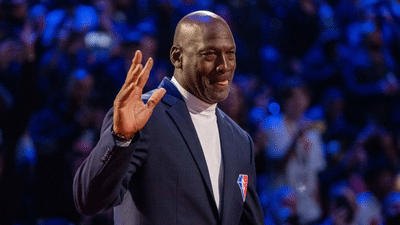
Michael Jordan's NBA salary laid the foundation for his wealthBefore Michael Jordan became a billionaire, he was a young guard trying to make his mark in the NBA. The Bulls selected him with the third overall pick in the 1984 NBA Draft after his standout college career at North Carolina.
Jordan wasted little time proving his worth. He averaged 28.2 points per game during his rookie season and quickly became one of the league's biggest attractions. His performances helped turn the Bulls into a major basketball brand, while his growing popularity opened doors beyond the court.
His NBA salary, however, took time to catch up with his growing influence.
Jordan earned $550,000 in his first season. By 1993, his annual salary had climbed to $4 million. Those numbers reflected a period when NBA salaries were far smaller than the contracts seen in today's league.
Yet, his earnings were about to reach another level.
After leading Chicago to three straight NBA championships, Jordan stepped away from basketball in 1993. Following the death of his father, James Jordan, he pursued a brief baseball career with the Chicago White Sox organization.
His first retirement did not last. Jordan returned to the Bulls in 1995 and soon resumed his place among basketball's biggest stars.
The financial rewards grew alongside his success. His salary rose from $3.85 million in 1996 to an astonishing $33.14 million in 1998. That final figure was more than 60 times his rookie salary.
Jordan's late-career contracts became a defining part of NBA salary history . They also showed how much his star power had grown during the Bulls' championship years.
Michael Jordan's $4.5 billion career earnings put him in a league of his ownJordan's place atop the all-time athlete earnings list becomes even more striking when inflation enters the picture.
According to Sportico's career-earnings estimates, adjusted through the end of 2025, Jordan has earned approximately $4.5 billion throughout his career. His total in nominal dollars stands at roughly $3.28 billion.
The distinction matters. Inflation-adjusted figures account for changes in purchasing power over time, making it easier to compare athletes whose careers spanned different financial eras.
Jordan's estimated total puts him ahead of a group of modern sports icons who have also built enormous fortunes. Tiger Woods, Cristiano Ronaldo, LeBron James and Lionel Messi each have at least around $2 billion in inflation-adjusted career earnings, according to the same estimates.
These figures go beyond salaries earned during competition. Sportico's methodology includes bonuses, prize money, endorsement income, licensing, royalties, appearances, memorabilia, media agreements and other sports-related business earnings.
The estimates generally exclude taxes and agent fees, as well as traditional investment income.
That distinction helps explain why Jordan's total is so different from his NBA salary earnings alone. His playing career gave him a global platform, but his commercial ventures kept generating money long after he stopped playing.
Nike and Air Jordan turned Michael Jordan into a global businessJordan's partnership with Nike remains one of the most important parts of his financial story.
The relationship began in 1984, when Jordan was still a rookie. The Air Jordan line eventually grew into a global business, connecting basketball, fashion and sneaker culture in ways few athlete partnerships had achieved before.
The real power of the deal lies in its staying power. Jordan no longer needs to score points or win championships to benefit from the brand. His name and image continue to carry commercial value, allowing him to earn substantial royalties decades after his last NBA season.
That is a key difference between a large playing contract and a lasting business asset. A salary ends when the contract expires. A successful brand can keep producing income for years.
Jordan also expanded his financial interests beyond Nike. His commercial portfolio has included investments and partnerships across several industries, including a stake in DraftKings and involvement with a NASCAR team.
His business ventures demonstrate how elite athletes can use their fame to build income streams that operate independently of their playing careers.
Sportico estimates that Jordan earned around $275 million in 2025 alone. For someone who retired from the NBA in 2003, that figure highlights the continued value of his commercial footprint.
Charlotte Hornets sale added another chapter to Jordan's financial legacyJordan's business ambitions also extended into sports ownership.
In 2010, he became the majority owner of the Charlotte Bobcats, later renamed the Charlotte Hornets. The move placed him in a different role within the NBA, shifting from a player whose career depended on performance to an owner with a long-term financial interest in a franchise.
He sold his majority stake in the Hornets in 2023, marking a major transition in his business career. The sale followed years of involvement in the league from the ownership side and added another significant chapter to his wealth-building journey.
Jordan's financial story also includes an important lesson about timing. His earnings did not rise in a straight line. After his second retirement in 1999, he joined the Washington Wizards in 2001. His salary fell sharply, dropping from $33.14 million in 1998 to $1 million in 2001.
That decline reflected the end of his peak playing years, but it did not define his long-term earning power.
Jordan retired for the final time in 2003. Since then, his commercial ventures have continued to support his fortune, proving that an athlete's financial future does not have to end with the final game.
His estimated $4.5 billion in career earnings is more than a measure of money. It reflects the lasting value of a name built through basketball, then expanded through branding, ownership and business.
Jordan's playing career made him a global icon. His business decisions helped turn that status into a fortune that continues to grow long after he left the court.
Michael Jordan's NBA salary laid the foundation for his wealthBefore Michael Jordan became a billionaire, he was a young guard trying to make his mark in the NBA. The Bulls selected him with the third overall pick in the 1984 NBA Draft after his standout college career at North Carolina.
Jordan wasted little time proving his worth. He averaged 28.2 points per game during his rookie season and quickly became one of the league's biggest attractions. His performances helped turn the Bulls into a major basketball brand, while his growing popularity opened doors beyond the court.
His NBA salary, however, took time to catch up with his growing influence.
Jordan earned $550,000 in his first season. By 1993, his annual salary had climbed to $4 million. Those numbers reflected a period when NBA salaries were far smaller than the contracts seen in today's league.
Yet, his earnings were about to reach another level.
After leading Chicago to three straight NBA championships, Jordan stepped away from basketball in 1993. Following the death of his father, James Jordan, he pursued a brief baseball career with the Chicago White Sox organization.
His first retirement did not last. Jordan returned to the Bulls in 1995 and soon resumed his place among basketball's biggest stars.
The financial rewards grew alongside his success. His salary rose from $3.85 million in 1996 to an astonishing $33.14 million in 1998. That final figure was more than 60 times his rookie salary.
Jordan's late-career contracts became a defining part of NBA salary history . They also showed how much his star power had grown during the Bulls' championship years.
Michael Jordan's $4.5 billion career earnings put him in a league of his ownJordan's place atop the all-time athlete earnings list becomes even more striking when inflation enters the picture.
According to Sportico's career-earnings estimates, adjusted through the end of 2025, Jordan has earned approximately $4.5 billion throughout his career. His total in nominal dollars stands at roughly $3.28 billion.
The distinction matters. Inflation-adjusted figures account for changes in purchasing power over time, making it easier to compare athletes whose careers spanned different financial eras.
Jordan's estimated total puts him ahead of a group of modern sports icons who have also built enormous fortunes. Tiger Woods, Cristiano Ronaldo, LeBron James and Lionel Messi each have at least around $2 billion in inflation-adjusted career earnings, according to the same estimates.
These figures go beyond salaries earned during competition. Sportico's methodology includes bonuses, prize money, endorsement income, licensing, royalties, appearances, memorabilia, media agreements and other sports-related business earnings.
The estimates generally exclude taxes and agent fees, as well as traditional investment income.
That distinction helps explain why Jordan's total is so different from his NBA salary earnings alone. His playing career gave him a global platform, but his commercial ventures kept generating money long after he stopped playing.
Nike and Air Jordan turned Michael Jordan into a global businessJordan's partnership with Nike remains one of the most important parts of his financial story.
The relationship began in 1984, when Jordan was still a rookie. The Air Jordan line eventually grew into a global business, connecting basketball, fashion and sneaker culture in ways few athlete partnerships had achieved before.
The real power of the deal lies in its staying power. Jordan no longer needs to score points or win championships to benefit from the brand. His name and image continue to carry commercial value, allowing him to earn substantial royalties decades after his last NBA season.
That is a key difference between a large playing contract and a lasting business asset. A salary ends when the contract expires. A successful brand can keep producing income for years.
Jordan also expanded his financial interests beyond Nike. His commercial portfolio has included investments and partnerships across several industries, including a stake in DraftKings and involvement with a NASCAR team.
His business ventures demonstrate how elite athletes can use their fame to build income streams that operate independently of their playing careers.
Sportico estimates that Jordan earned around $275 million in 2025 alone. For someone who retired from the NBA in 2003, that figure highlights the continued value of his commercial footprint.
Charlotte Hornets sale added another chapter to Jordan's financial legacyJordan's business ambitions also extended into sports ownership.
In 2010, he became the majority owner of the Charlotte Bobcats, later renamed the Charlotte Hornets. The move placed him in a different role within the NBA, shifting from a player whose career depended on performance to an owner with a long-term financial interest in a franchise.
He sold his majority stake in the Hornets in 2023, marking a major transition in his business career. The sale followed years of involvement in the league from the ownership side and added another significant chapter to his wealth-building journey.
Jordan's financial story also includes an important lesson about timing. His earnings did not rise in a straight line. After his second retirement in 1999, he joined the Washington Wizards in 2001. His salary fell sharply, dropping from $33.14 million in 1998 to $1 million in 2001.
That decline reflected the end of his peak playing years, but it did not define his long-term earning power.
Jordan retired for the final time in 2003. Since then, his commercial ventures have continued to support his fortune, proving that an athlete's financial future does not have to end with the final game.
His estimated $4.5 billion in career earnings is more than a measure of money. It reflects the lasting value of a name built through basketball, then expanded through branding, ownership and business.
Jordan's playing career made him a global icon. His business decisions helped turn that status into a fortune that continues to grow long after he left the court.
Next Story