
What a Free Hit Is in Cricket and Why It Follows a Front-Foot No-Ball

Cricket's free hit is one of those rules that looks like a gift until you understand the logic behind it. A batter faces one delivery knowing the fielding side cannot get him out in most ways, but the rule did not arrive to be generous. It arrived because a specific kind of illegal delivery tilts the contest in the bowler's favour, and the free hit is the correction.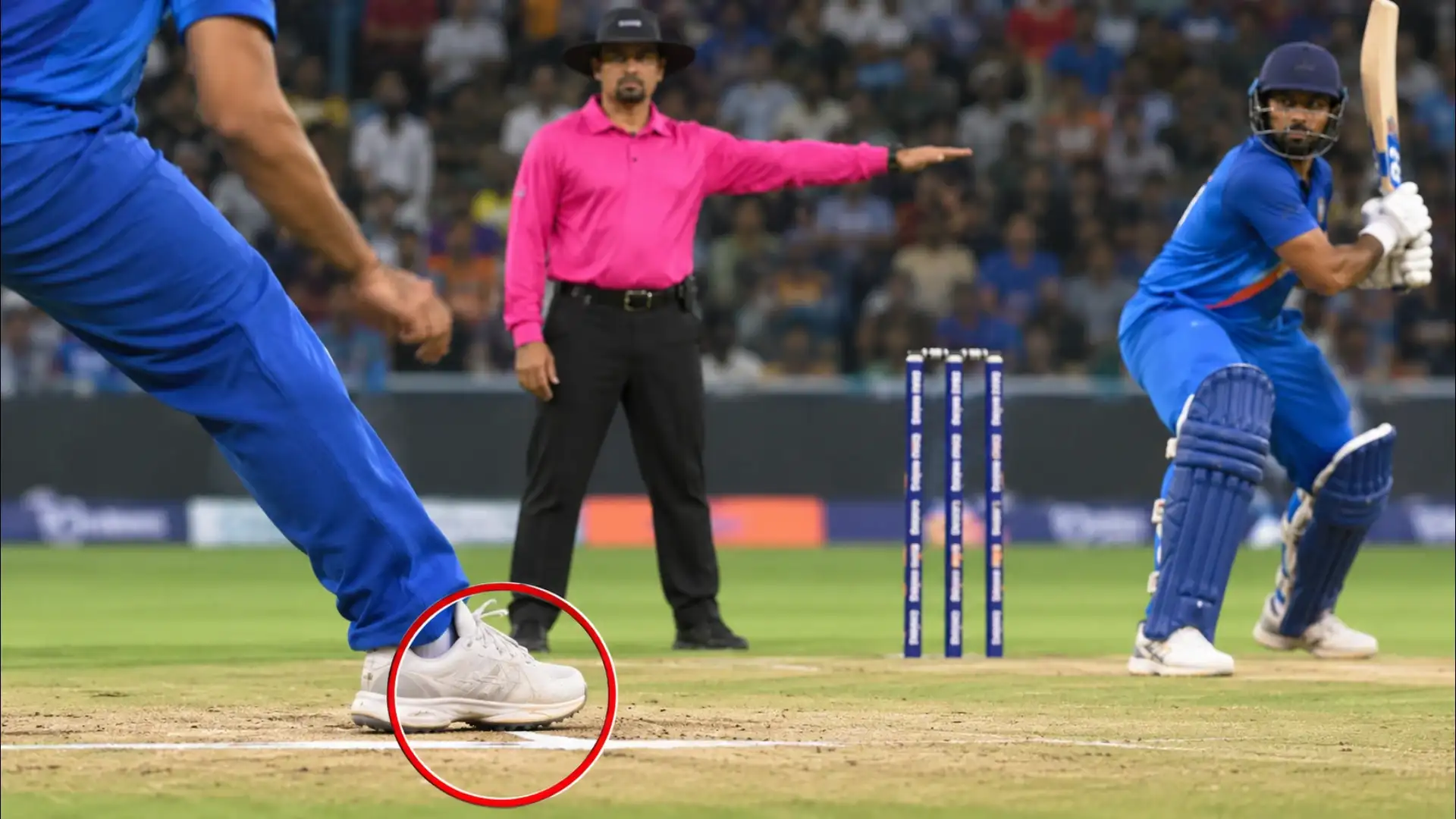
What Happens on a Free Hit
On a free hit delivery, the batter can be dismissed only by a run-out, handling the ball, obstructing the field, or hitting the ball twice. Every other mode of dismissal, bowled, caught, lbw, stumped, hit wicket, is suspended for that one ball. The fielding side cannot change its field positions between the no-ball and the free hit unless the batter switches from right-handed to left-handed or vice versa. The umpire signals the free hit by rotating one hand above the head in a circular motion, and the third umpire confirms it on the giant screen at grounds where one is in use.Why a Front-Foot No-Ball Triggers It
When a bowler oversteps the popping crease, the front-foot no-ball, the delivery is called illegal and the batting side receives an extra run. But the penalty does not stop there, because the overstepped delivery often carries a hidden advantage. A bowler who lands even a few centimetres closer to the batter generates more pace off the pitch, a sharper angle, and a shorter length than the crease legally allows. The batter has already played the ball under those conditions and cannot replay the shot with the correct geometry in mind. The free hit acknowledges that the batter faced something the law did not permit, and gives him one delivery where the risk of losing his wicket is largely removed.Which No-Balls Earn a Free Hit and Which Do Not
The free hit applies specifically to front-foot no-balls in limited-overs cricket, T20 and One Day Internationals, and their domestic equivalents. It does not apply to other kinds of no-balls: a ball that passes above waist height to a batter who is not attempting a shot, a ball that bounces more than once, a ball bowled from the wrong side of the wicket, or a fielding-restriction no-ball. Those are still illegal deliveries and still cost a run, but they do not trigger a free hit. The distinction matters because the front-foot no-ball is the one that most directly changes the physics of the delivery the batter faced. Test cricket has no free hit provision at all; the no-ball penalty there remains the extra run alone.The Free Hit in Practice
A batter who reads the circular signal early will often move position, look to play an attacking shot, and accept that the stumps being hit carries no consequence. Bowlers on the free hit typically try to bowl a yorker or a wide delivery outside off stump, because those are harder to clear the boundary with and because a run-out remains live. Fielders can shift only within the constraints the law allows, so a captain cannot suddenly post a deep mid-wicket to cut off the obvious swing. The free hit has changed how batters approach the delivery that precedes it too, some will deliberately take a risk on the no-ball itself, knowing a free hit follows if the bowler oversteps again on the next attempt. The rule, in other words, does not just affect one ball. It reshapes the calculation across the entire over.Next Story