
Why Love Means Zero in Tennis: The Egg Theory and Other Explanations

Tennis has one of the most unusual scoring systems in sport. Points do not run from one to two to three. A player who has won nothing is said to have 'love'. A player who has won one point has fifteen. Two points becomes thirty, and three becomes forty. Of all these oddities, 'love' is the one that stops people mid-sentence. It sounds borrowed from a greeting card, not a scoreboard.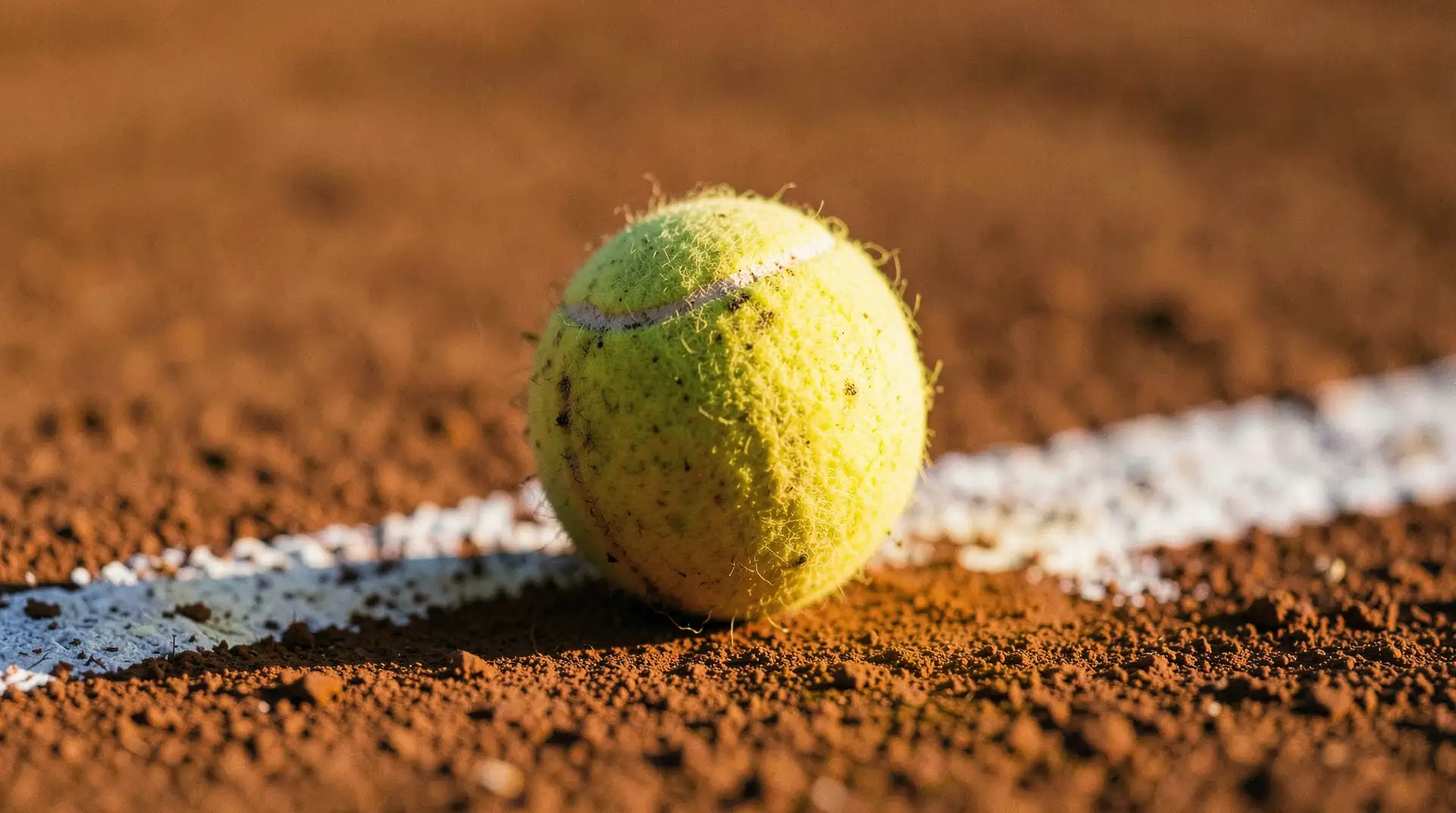
It is also almost certainly wrong, or at least unverifiable. No written record connects l'oeuf to tennis scoring in the way the theory requires, and historians of the game have spent considerable effort looking for one.
This interpretation has more linguistic coherence than the egg theory, because the phrase 'for love' meaning 'for nothing' appears in English well before modern tennis was codified. The difficulty is that no early tennis rulebook or match record uses the word in a way that confirms this origin rather than simply assuming it.
That makes it harder to trace than a word that was invented and documented at a known moment. Both the French egg theory and the Dutch playing-for-nothing theory remain plausible, and both may be partially true, a French-sounding zero that happened to rhyme with an existing English idiom could have reinforced itself over time. The word stuck, and the reason it stuck was probably that it was already familiar enough that nobody felt the need to write down where it came from.
Neither is conclusively settled. What is clear is that the system predates lawn tennis by several centuries, originating in versions of the game played indoors in France and later England, where the rules were kept by institutions rather than written down for wide circulation. By the time the modern game was formalised, the scoring language was already old enough to seem natural to the people using it.
'Love' in tennis is now so embedded that players who have spoken the language their whole lives rarely stop to ask what it means. The egg theory circulates because it is memorable and because a round zero does look like an egg. That is enough for a word to travel, even if it was never quite the truth.
The Egg Theory
The explanation most people encounter first is the egg theory. In French, the word for egg is l'oeuf. A zero drawn on paper does resemble an egg. The argument is that French players and spectators, watching a scoreboard showing a round zero, began calling it l'oeuf, and that English speakers who adopted the game in the nineteenth century heard the word, could not quite place it, and settled on 'love' as the closest sound they could make sense of. It is a tidy story.It is also almost certainly wrong, or at least unverifiable. No written record connects l'oeuf to tennis scoring in the way the theory requires, and historians of the game have spent considerable effort looking for one.
The Dutch Theory
A second explanation points to the Dutch phrase iets voor lof doen, which means to do something for praise rather than for money or reward. The argument here is that a player who has won no points is playing, in a sense, for the love of the game, for nothing material. 'Love' in this reading is not a corruption of a foreign word but a direct English expression meaning the same thing: playing without stakes, playing for nothing.This interpretation has more linguistic coherence than the egg theory, because the phrase 'for love' meaning 'for nothing' appears in English well before modern tennis was codified. The difficulty is that no early tennis rulebook or match record uses the word in a way that confirms this origin rather than simply assuming it.
You may also like
- 2nd ODI: India aim to extend lead as inexperienced pace attack faces another test
- 'World Champion pressure is completely different': India No. 1 R Praggnanandhaa on Gukesh vs Javokhir Sindarov match
- Stephen Curry's wife Ayesha Curry drops heartfelt shoutout to Black Panther director Ryan Coogler after courtside appearance at Chase Center
- José Mourinho believes a player of Cristiano Ronaldo's standing deserved a more fitting international farewell
- Paris Olympics weightlifting medalist Andreev banned 4 years for doping with anabolic steroid
What the Historians Actually Say
The honest position, which most tennis historians now take, is that the true origin of 'love' in scoring is not known with certainty. The word was already in use when the first written rules of lawn tennis appeared in the 1870s. It arrived in the record as an established convention, not as a new coinage being explained.That makes it harder to trace than a word that was invented and documented at a known moment. Both the French egg theory and the Dutch playing-for-nothing theory remain plausible, and both may be partially true, a French-sounding zero that happened to rhyme with an existing English idiom could have reinforced itself over time. The word stuck, and the reason it stuck was probably that it was already familiar enough that nobody felt the need to write down where it came from.
The Rest of the Scoring System Is Just as Strange
The fifteen-thirty-forty progression has its own disputed history. One popular explanation ties it to a clock face: fifteen, thirty, forty-five, and then game, with forty-five shortened to forty because it was easier to call quickly across a court. Another theory connects the progression to medieval French currency used in early court tennis.Neither is conclusively settled. What is clear is that the system predates lawn tennis by several centuries, originating in versions of the game played indoors in France and later England, where the rules were kept by institutions rather than written down for wide circulation. By the time the modern game was formalised, the scoring language was already old enough to seem natural to the people using it.
Why It Matters That the Answer Is Uncertain
Tennis scoring is a small example of how language works across long stretches of time. Words that begin as practical shorthand, a sound for zero, a phrase for playing without stakes, get used long enough that the original reason fades. The convention outlives the explanation.'Love' in tennis is now so embedded that players who have spoken the language their whole lives rarely stop to ask what it means. The egg theory circulates because it is memorable and because a round zero does look like an egg. That is enough for a word to travel, even if it was never quite the truth.






Loving Newspoint? Download the app now
