
Why did Man City fans bring 1,000 balloon BANANAS to Anfield? The bizarre 1980s story behind their defiant display during 3-0 win over angry Reds


Manchester City arrived at Anfield expecting hostility, with Liverpool supporters ready to make their feelings known after the Premier League’s verdict against their rivals. Yet amid the boos, banners and talk of a potentially fiery afternoon, the travelling City fans had a rather different response: hundreds of inflatable bananas, reviving one of English football’s strangest traditions. By full-time, City had won 3-0, stayed top of the Premier League and given their supporters plenty to celebrate.

City silence Anfield as Haaland and Doku take control
Erling Haaland had promised business as usual ahead of Manchester City’s first match since the financial verdict, and his team delivered precisely that, winning their sixth consecutive league game. The build-up suggested an afternoon dominated by hostility towards the visitors, but Enzo Maresca’s side eventually turned the occasion into another emphatic result.
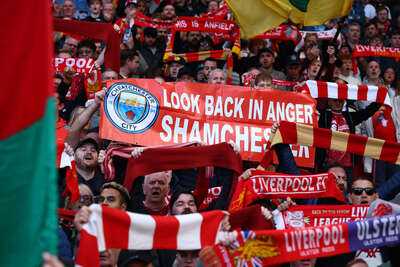
City were booed by the home crowd during their warm-up, while Liverpool supporters made their position clear with banners featuring the word “CHEAT” and another reading, “Look back in anger, Shamchester.” Reports also described discussions about a hostile reception for the visiting team bus, prompting Merseyside Police to confirm a security operation around the match.
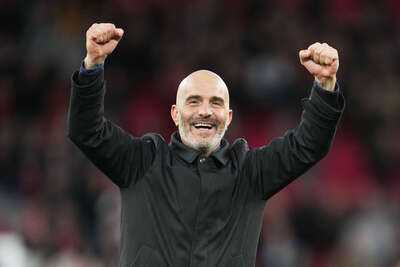
Maresca had insisted his players could handle the pressure, drawing on the experience of footballers accustomed to hostile stadiums. “Absolutely, [the City players] can face the pressure,” he said before the match. “We have players who have experience of similar situations. Enzo Fernandez played in Argentina. In Argentina, almost every game is like you go to Anfield.”
The atmosphere was intense, but the match shifted decisively after Liverpool midfielder Ryan Gravenberch received a second yellow card and was sent off shortly after the hour mark. City took advantage of their numerical superiority, with Haaland opening the scoring four minutes later before Jérémy Doku struck three minutes afterwards, bending the ball into the top corner after making a decisive impact from the bench.
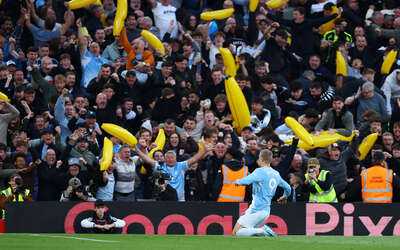
Rayan Cherki added the third goal as City completed a 3-0 victory that kept them at the top of the table. Haaland’s finish, his eighth goal in seven City games this season according to the match report, came after he reacted quicker than Liverpool’s defenders inside the box, allowing him to celebrate in front of his father, Alf-Inge Haaland.
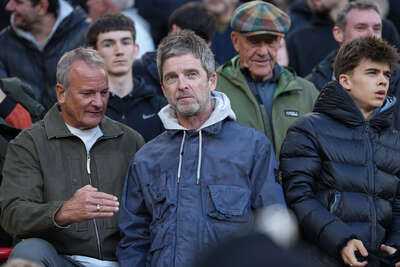
Doku’s influence extended beyond his goal, as his direct approach helped provoke the challenge that led to Gravenberch’s dismissal. Noel Gallagher was among the familiar faces watching from the stands, while Haaland’s father also attended, giving the visiting contingent plenty to enjoy beyond the defiant display of yellow inflatables.
The financial verdict that set the stage for Anfield
The hostility surrounding City had been building since an independent commission found the club guilty of 114 out of 115 Premier League financial and cooperation charges on September 29, covering alleged breaches connected to the period between the 2009-10 and 2017-18 seasons. City denied the allegations and subsequently filed an appeal, while the potential sanctions remained undecided.
Liverpool supporters used the occasion to make their views known, turning the banners and chants into a public response to the case. City’s travelling fans, however, brought their own statement of defiance, choosing an old club tradition rather than answering every taunt directly
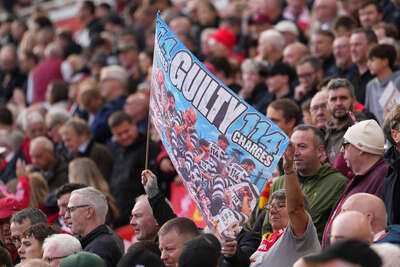
Dante Friend, associated with the City supporters’ group 1894, told Sporting News: “The message is obviously defiance. We don’t give a f*** who the owners are, we are the club. The fans are the club.”
That attitude helped explain why the inflatable bananas mattered beyond their comic appearance, particularly on a day when the team’s relationship with its ownership and the consequences of the financial case were under intense scrutiny.
Why Manchester City fans bring inflatable bananas
The tradition dates back to the 1987-88 season, when Manchester City returned to Division Two after relegation from the top division the previous year. Its origins had little to do with protests, financial allegations or elaborate displays of support, beginning instead with a nickname that was almost too silly not to catch on.
Former City forward Imre Varadi became the subject of a pun when one supporter referred to him as “Imre Banana”. According to Dante Friend, a fan named Frank Newton then brought an inflatable banana to the following match, prompting others to follow his lead until the fruit became an unmistakable part of the club’s fan culture.
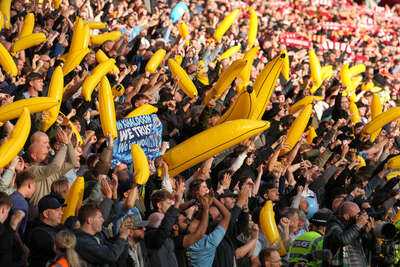
The novelty was not confined to bananas, as supporters experimented with other inflatable objects, including paddling pools, fried eggs and Frankenstein’s monster. The bananas, however, proved the most enduring, becoming an instantly recognisable symbol of Manchester City’s following during a period when the club’s fortunes on the pitch were far less impressive than they are today.
Varadi played for several English clubs during his career, including Everton, Sheffield Wednesday and Leeds United, but his association with City gave him an unusually lasting place in the club’s folklore. He scored 31 goals in 81 appearances for City across all competitions, although the nickname inspired by him would become one of the more memorable parts of his footballing legacy.
The tradition gradually faded over the years, making its appearance at Anfield particularly striking. Supporters’ group 1894 organised a revival for the Liverpool trip, distributing upwards of 1,000 inflatable bananas among travelling fans, many of whom gathered in the left-hand corner of the Anfield Road End.
Varadi himself joined in with the joke on social media, writing on X: “The bananas are taking over Anfield!” He added that City fans were ready to party at Liverpool, neatly capturing the spirit of a ritual that had outlived its original pun by nearly four decades.
By the end of the afternoon, the bananas had offered Manchester City supporters a memorable way to answer a hostile reception, while their team supplied the result that made the display even sweeter. The financial case will continue beyond this match, but at Anfield, City left with three points, six league wins from six and a revival of one of football’s most delightfully peculiar traditions.
City silence Anfield as Haaland and Doku take control
Erling Haaland had promised business as usual ahead of Manchester City’s first match since the financial verdict, and his team delivered precisely that, winning their sixth consecutive league game. The build-up suggested an afternoon dominated by hostility towards the visitors, but Enzo Maresca’s side eventually turned the occasion into another emphatic result.
City were booed by the home crowd during their warm-up, while Liverpool supporters made their position clear with banners featuring the word “CHEAT” and another reading, “Look back in anger, Shamchester.” Reports also described discussions about a hostile reception for the visiting team bus, prompting Merseyside Police to confirm a security operation around the match.
Maresca had insisted his players could handle the pressure, drawing on the experience of footballers accustomed to hostile stadiums. “Absolutely, [the City players] can face the pressure,” he said before the match. “We have players who have experience of similar situations. Enzo Fernandez played in Argentina. In Argentina, almost every game is like you go to Anfield.”
The atmosphere was intense, but the match shifted decisively after Liverpool midfielder Ryan Gravenberch received a second yellow card and was sent off shortly after the hour mark. City took advantage of their numerical superiority, with Haaland opening the scoring four minutes later before Jérémy Doku struck three minutes afterwards, bending the ball into the top corner after making a decisive impact from the bench.
Rayan Cherki added the third goal as City completed a 3-0 victory that kept them at the top of the table. Haaland’s finish, his eighth goal in seven City games this season according to the match report, came after he reacted quicker than Liverpool’s defenders inside the box, allowing him to celebrate in front of his father, Alf-Inge Haaland.
Doku’s influence extended beyond his goal, as his direct approach helped provoke the challenge that led to Gravenberch’s dismissal. Noel Gallagher was among the familiar faces watching from the stands, while Haaland’s father also attended, giving the visiting contingent plenty to enjoy beyond the defiant display of yellow inflatables.
The financial verdict that set the stage for Anfield
The hostility surrounding City had been building since an independent commission found the club guilty of 114 out of 115 Premier League financial and cooperation charges on September 29, covering alleged breaches connected to the period between the 2009-10 and 2017-18 seasons. City denied the allegations and subsequently filed an appeal, while the potential sanctions remained undecided.
Liverpool supporters used the occasion to make their views known, turning the banners and chants into a public response to the case. City’s travelling fans, however, brought their own statement of defiance, choosing an old club tradition rather than answering every taunt directly
Dante Friend, associated with the City supporters’ group 1894, told Sporting News: “The message is obviously defiance. We don’t give a f*** who the owners are, we are the club. The fans are the club.”
That attitude helped explain why the inflatable bananas mattered beyond their comic appearance, particularly on a day when the team’s relationship with its ownership and the consequences of the financial case were under intense scrutiny.
Why Manchester City fans bring inflatable bananas
The tradition dates back to the 1987-88 season, when Manchester City returned to Division Two after relegation from the top division the previous year. Its origins had little to do with protests, financial allegations or elaborate displays of support, beginning instead with a nickname that was almost too silly not to catch on.
Former City forward Imre Varadi became the subject of a pun when one supporter referred to him as “Imre Banana”. According to Dante Friend, a fan named Frank Newton then brought an inflatable banana to the following match, prompting others to follow his lead until the fruit became an unmistakable part of the club’s fan culture.
The novelty was not confined to bananas, as supporters experimented with other inflatable objects, including paddling pools, fried eggs and Frankenstein’s monster. The bananas, however, proved the most enduring, becoming an instantly recognisable symbol of Manchester City’s following during a period when the club’s fortunes on the pitch were far less impressive than they are today.
Varadi played for several English clubs during his career, including Everton, Sheffield Wednesday and Leeds United, but his association with City gave him an unusually lasting place in the club’s folklore. He scored 31 goals in 81 appearances for City across all competitions, although the nickname inspired by him would become one of the more memorable parts of his footballing legacy.
The tradition gradually faded over the years, making its appearance at Anfield particularly striking. Supporters’ group 1894 organised a revival for the Liverpool trip, distributing upwards of 1,000 inflatable bananas among travelling fans, many of whom gathered in the left-hand corner of the Anfield Road End.
Varadi himself joined in with the joke on social media, writing on X: “The bananas are taking over Anfield!” He added that City fans were ready to party at Liverpool, neatly capturing the spirit of a ritual that had outlived its original pun by nearly four decades.
By the end of the afternoon, the bananas had offered Manchester City supporters a memorable way to answer a hostile reception, while their team supplied the result that made the display even sweeter. The financial case will continue beyond this match, but at Anfield, City left with three points, six league wins from six and a revival of one of football’s most delightfully peculiar traditions.
Next Story